
How Seniors Are Doing Pelvic Floor Therapy At Home
The pelvic floor muscles are some of the unsung heroes of the body. They aid essential functions like bladder control, organ support, & core stability. This is why the idea of doing pelvic floor therapy at home interests many. For seniors, keeping these muscles strong can help improve comfort & quality of life by preventing common issues like incontinence & back strain—and doing it at home can give you the comfort of privacy.
What are the Pelvic Floor Muscles?
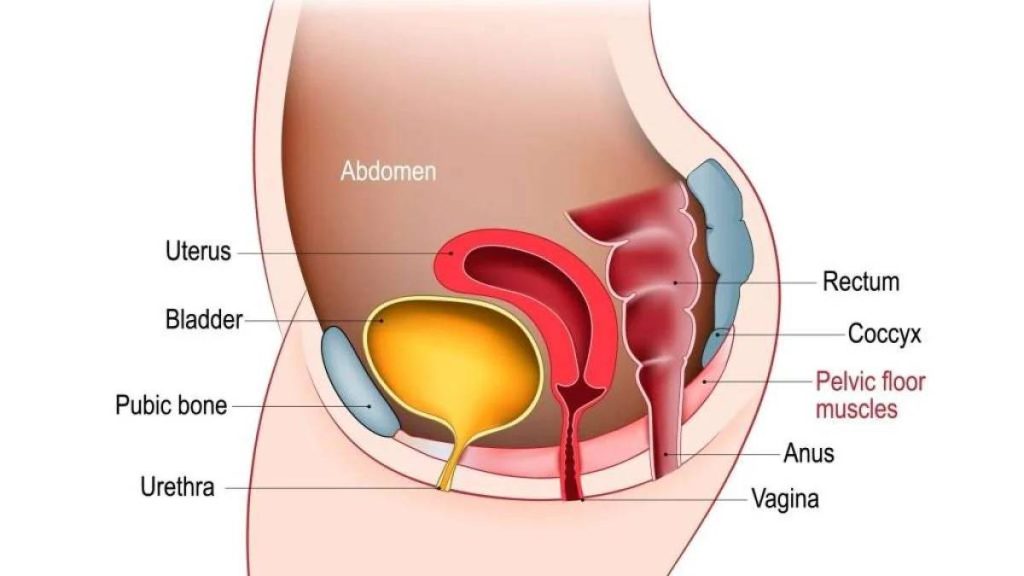
Pelvic floor muscles are a specific muscle group located at the base of the pelvis. They form a hammock-like structure that supports the organs in the pelvic region, such as the bladder, uterus, & bowel.
The two main sets of muscles in the pelvic floor are the levator ani group (pubococcygeus, puborectalis, & iliococcygeus) & the coccygeus muscles. The levator ani wraps around the whole pelvis. The coccygeus is the smaller muscle located toward the back of the pelvis.
Causes of Pelvic Floor Dysfunction
Pelvic floor dysfunction is linked to conditions that weaken the pelvic muscles or its connective tissues. Some of the most common causes of a weak pelvic floor are:
- Pregnancy
- Vaginal childbirth
- Obesity
- Pelvic surgery
- Lower levels of estrogen during perimenopause & menopause
Signs of a Weak Pelvic Floor
A weak pelvic floor may present symptoms such as:
- Urinary incontinence or leakage when sneezing or coughing
- Frequent urges to use the bathroom
- Difficulty with bowel movements
- Pelvic or lower back pain
- Muscle spasm around the pelvis
- Uterine prolapse
- Reduced control over balance or posture
Although these signs become more common with age, they are not necessarily a normal part of ageing. Physical therapy can help you learn how to relax & coordinate the movement of the muscles.
Benefits Of Doing Pelvic Floor Therapy At Home
- Convenience: Home-based therapy is accessible, & exercises can be done anytime. This makes it ideal for seniors who prefer the comfort & privacy of their own space.
- Cost-Effectiveness: Therapy at home reduces the need for frequent in-person visits, which can save time & money.
- Consistency: Daily, short exercises help maintain muscle strength over time.
5 Essential Pelvic Floor Exercises for Seniors
Working on the muscles of the pelvic floor is unlike most exercises where you see or touch the areas being worked. In this case, you rely on internal sensations & awareness to engage these muscles effectively.
Kegels
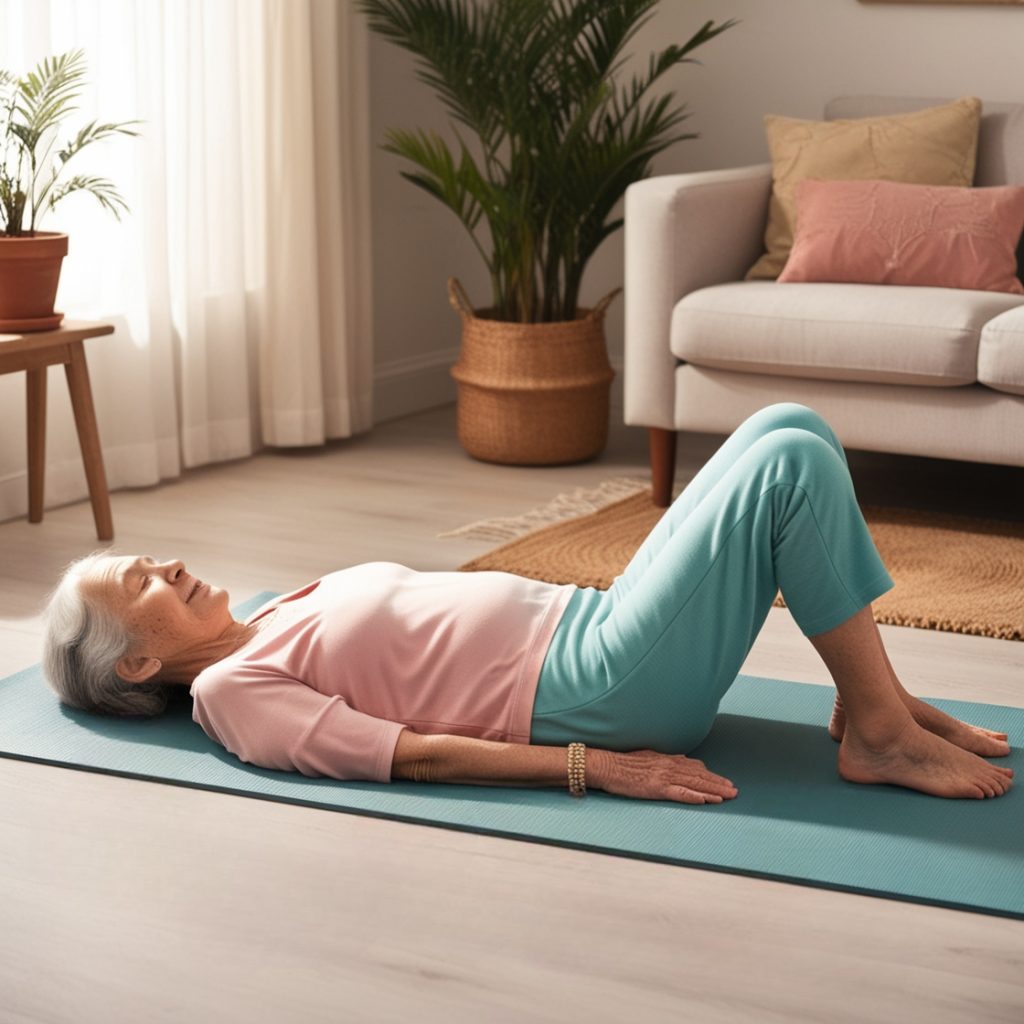
Kegel exercises are the most popular exercise for incontinence issues & targeting the muscles of the pelvic floor. To do it:
- Lie flat on the floor with your feet flat & knees bent to locate your pelvic floor muscles (the ones used to stop urine flow mid-stream).
- Draw your pelvic floor muscles up and in.
- Tighten your pelvic floor muscles for up to 5 seconds.
- Relax the muscles for another 5 seconds.
- Repeat the tightening & relaxing motion until you’ve completed 10 reps.
You can also perform this exercise while sitting, standing, or on all fours.
Bridges
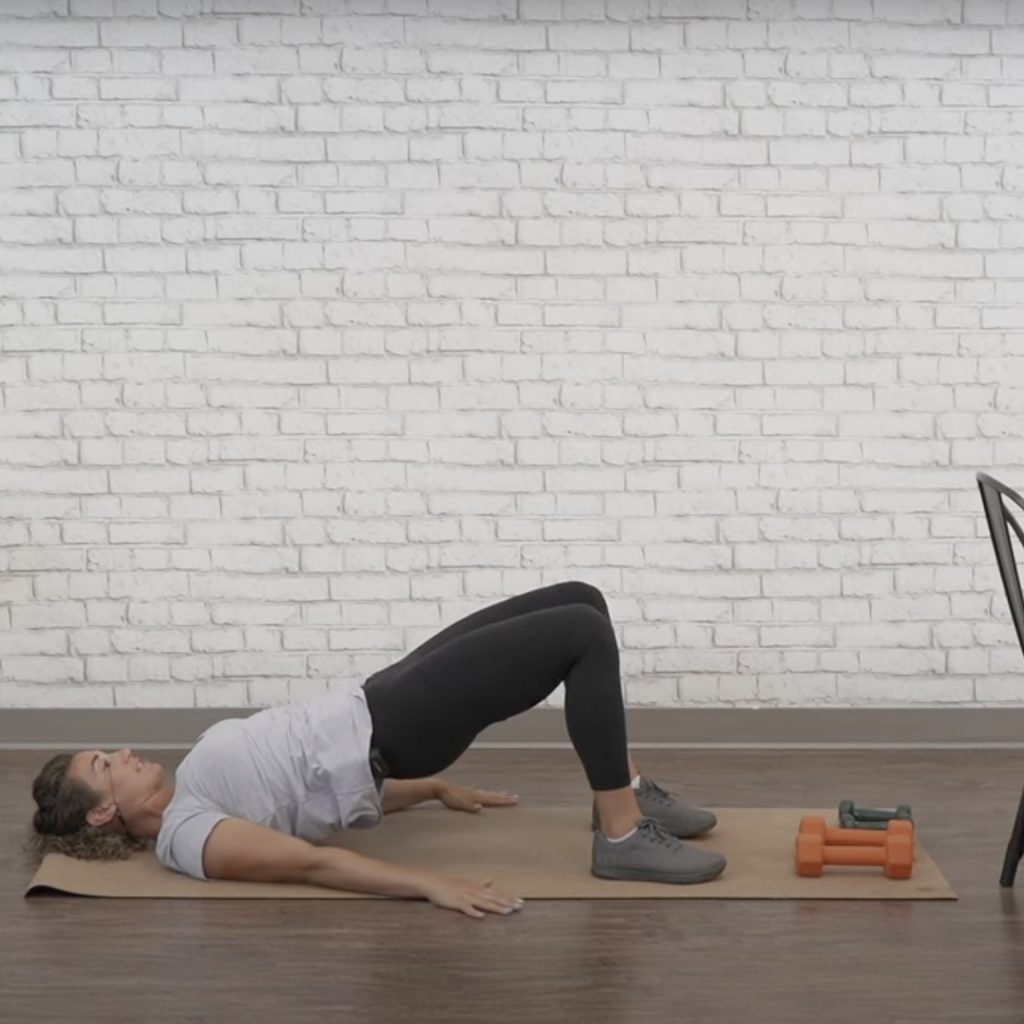
While bridges typically target the gluteal muscle, you can adjust it to target pelvic floor muscles too.
- Lie on your back with your knees bent & feet flat on the floor
- Contract your buttocks & pelvic floor muscles.
- Gently lift your buttocks several inches off the ground, keeping your muscles engaged.
- Maintain this position for 3–8 seconds.
- Relax your buttocks & pelvic floor muscles, lowering your buttocks back to the ground.
- Perform up to 5 repetitions per set.
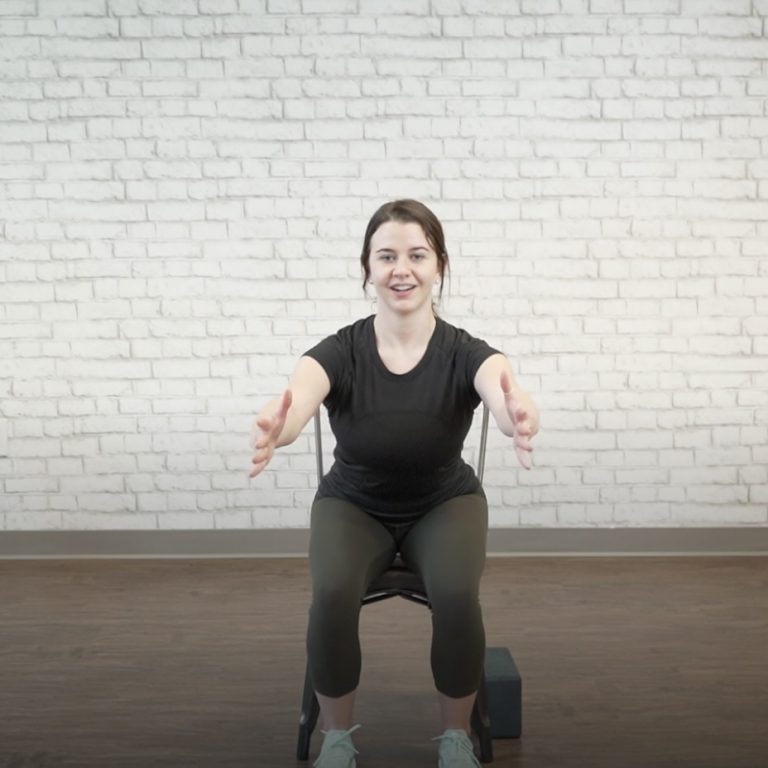
Squats
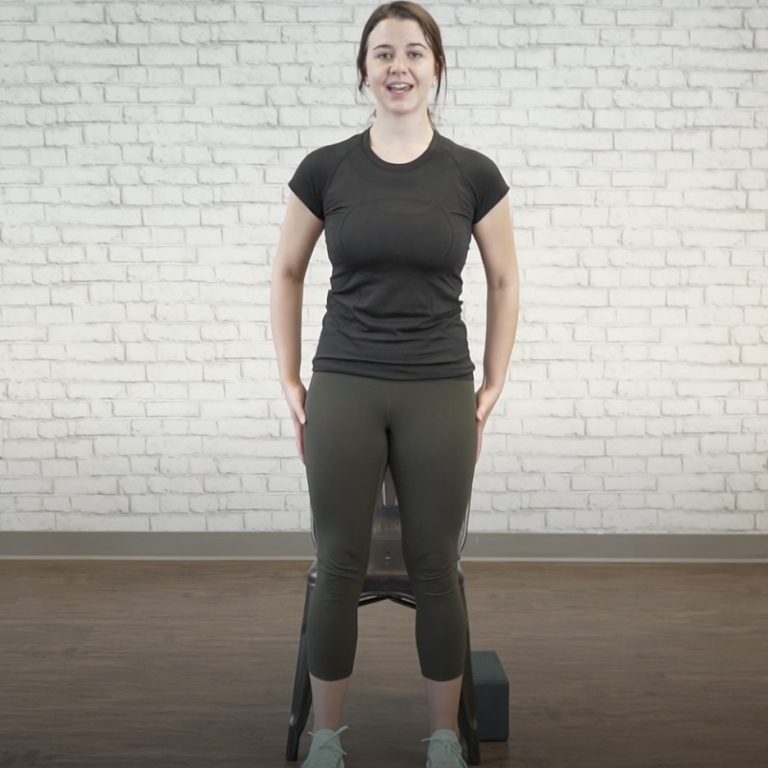
Squats are great for working the muscles in the lower body, including the pelvic floor.
- Stand with the feet shoulder-width apart (you may have a chair nearby for support).
- Lower your body as if sitting back into a chair, keeping the back & chest straight.
- Engage the pelvic floor muscles when lowering the body & rising.
- Aim for 5–10 reps, depending on your comfort & ability.
Heel Slides
- Lie on your back with your knees bent & feet flat on the floor.
- Take a deep breath, filling your ribs with air, then exhale slowly through your mouth.
- Gently tighten your core & engage your pelvic floor muscles.
- Begin sliding one heel slowly away from your body, letting it go as far as is comfortable.
- Once your leg is fully extended, breathe in & slowly slide your heel back to the starting position.
- Repeat the motion with the other leg.
Marches
Marches, also known as toe taps, help strengthen your pelvic floor by encouraging controlled contractions, which increase core stability. Here’s how to perform this exercise:
- Lie on your back with your knees bent & feet flat on the floor.
- Take a deep breath, filling your lungs fully.
- Breathe out through your mouth, allowing your ribs to compress naturally.
- Pull your belly button gently in & down to engage your core muscles.
- Slowly lift one leg to a tabletop position (knee bent at 90 degrees).
- Lower this leg back down to the starting position in a controlled motion.
- Repeat the movement with the other leg & complete multiple reps.
It’s important to note that while these exercises can strengthen pelvic floor muscles, a qualified physiotherapist or pelvic floor specialist will best be able to address specific issues & provide much more personalised guidance.
To get the full benefit of pelvic floor training we highly recommend the Better5 Pelvic Floor Strengthening program as it’s much easier to locate your internal muscles & correctly do the exercises with an instructor showing you how. This program is taught by Paulina Wezgryzn, a registered physiotherapist & pelvic floor specialist—and goes much further beyond these 5 foundational exercises, helping you achieve greater results.
Other Lifestyle Tips for Pelvic Health
- Stay hydrated: Proper hydration is essential for urinary health & bladder function. The pelvic floor muscles require adequate hydration to function optimally.
- Avoid heavy lifting: Lifting heavy items improperly or frequently can strain the pelvic floor muscles.
- Maintain a healthy weight: Keeping a healthy weight reduces abdominal pressure, which can help minimise strain on the pelvic floor.
- Choose fibre-rich foods: A diet high in fibre supports healthy digestion & bowel function, which in turn helps reduce strain during bowel movements.
Wrapping Up
The pelvic floor muscles are important for many bodily functions as they support the bladder, bowel, & uterus. Therefore, pelvic floor dysfunction is not something to overlook, especially for seniors who may experience weakened muscles over time. Engaging in pelvic floor therapy at home allows you to strengthen these muscles, improve control, and enhance daily comfort & confidence. For a comprehensive at-home routine, consider the Chair-Assisted Pelvic Floor Strengthening for Beginners Digital Class. The class is designed to support safe & effective pelvic floor muscle strengthening for beginners.