New Year’s Resolutions For Seniors: How To Get Fit Again
Setting resolutions at the start of a new year is a tradition that goes back centuries. The newness of the year gives a sense of freshness and a new beginning for people of different ages. That’s why New Year’s resolutions for seniors often focus on health, connection, and maintaining independence. This year, consider turning that tradition toward fitness and well-being goals that help you feel stronger and more confident.
This guide focuses on practical resolutions that help you get active again. The goal isn’t perfection. It’s about showing up for yourself and feeling capable again.
5 New Year’s Resolutions for Seniors
Choosing a fitness resolution can feel confusing. You may not know where to start or what will fit into your daily life. The resolutions below focus on simple, realistic areas you can build on over the course of a year.
1. Make Movement Part of Your Daily Routine
One simple resolution you can start with is making movement a daily habit. You don’t need an hour at the gym or complicated equipment. What matters most is a steady commitment to move your body with intention each day.
That consistency sets the foundation for every fitness goal. When you move each day, even for 10 minutes, your body starts to expect physical activity as part of your routine. Over time, regular movement can help ease morning stiffness and support comfortable joint motion.
This approach also aligns with public health guidance. The CDC recommends that older adults aim for at least 150 minutes of moderate-intensity activity each week, which can be broken into manageable daily sessions. Moving a little each day makes it easier to work toward that goal and add more challenging exercises later, when you feel ready.
To get started, focus on just 10 minutes of intentional movement each morning or afternoon. Choose activities that feel manageable and familiar. A short walk around your block works well. A simple series of seated or standing movements, like seated marches or standing side bends, in your living room works just as well.
One way to make this habit stick is to link movement to something you already do each day. For instance, you can make it a habit to stretch after your morning coffee or take a walk before lunch. When movement follows an existing routine, it becomes easier to remember and more likely to stay part of your day.
2. Rebuild Your Strength
Another resolution worth considering is rebuilding the strength you may have lost over the past few years. Age-related muscle loss, also known as sarcopenia, tends to accelerate after age 60, which can make everyday tasks feel harder than they used to.
Because strength supports how you move through daily life, regular strength work can help you maintain independence and feel more confident in your body. It may also improve your balance, which can reduce the risk of falls over time. You don’t need a gym membership or heavy weights to see these benefits. Simple exercises using your own body weight or household items can make a real difference.
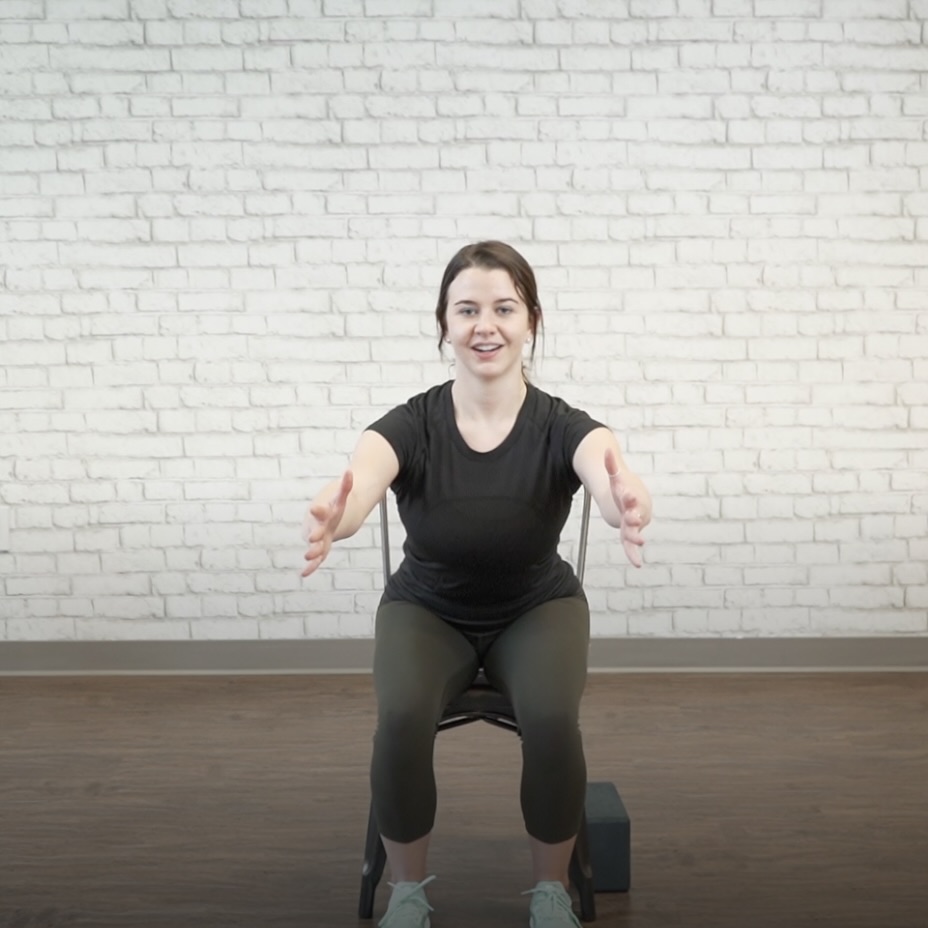
A good place to start is with movements that closely match what you already do each day. Chair squats help with standing up from seated positions. Wall push-ups build upper body strength without putting stress on your joints. Standing heel raises strengthen your calves and support ankle stability.
Begin with a small, manageable amount of work. Start with one set of 8 to 10 repetitions for each movement, two to three times per week. As these feel easier, you can gradually add more.
3. Work on Balance & Flexibility
A third area worth your attention is balance and flexibility. These qualities tend to decline so gradually that you might not notice until they start affecting everyday tasks. Reaching for something on a high shelf becomes harder. Steadying yourself on uneven ground takes more effort. These small changes add up over time.
For many older adults, balance and flexibility shape how safe and comfortable daily movement feels. Improving them can help reduce your risk of falling, which remains a leading cause of injury among adults 65 and older. Flexibility supports a comfortable range of motion for everyday actions like bending, turning, and reaching. Both respond well to regular, gentle practice. Even short sessions a few times per week can support better stability and mobility.
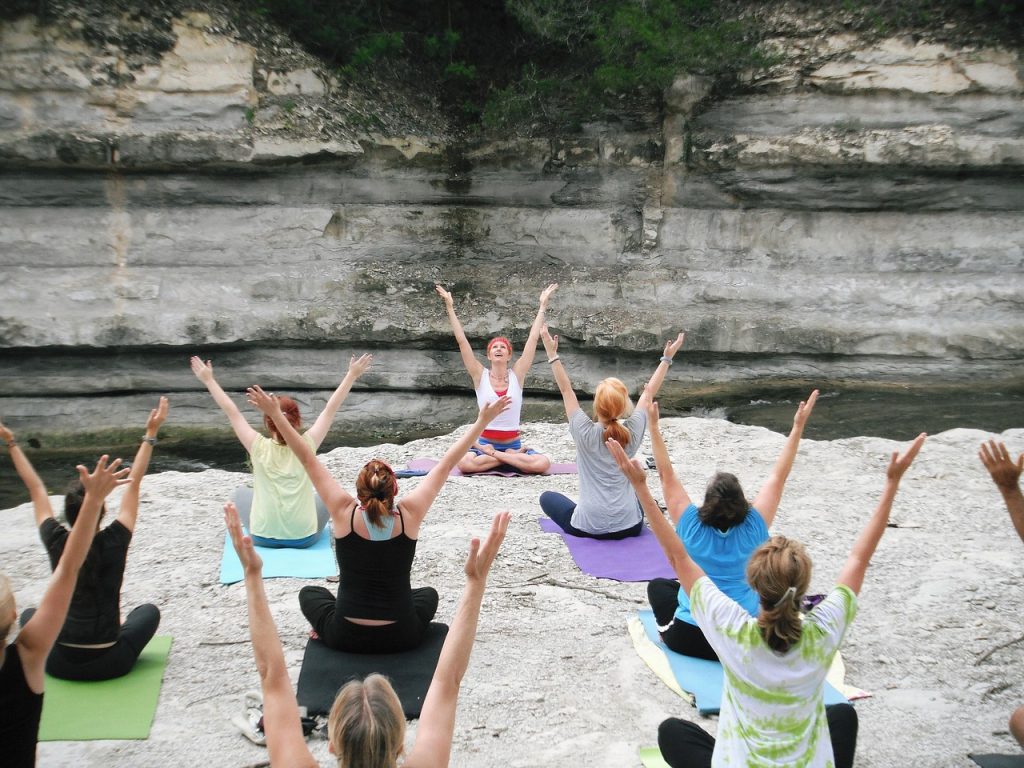
Simple movements are enough to get started. Single-leg stands near a counter, and heel-to-toe walks are effective options for balance. For flexibility, seated hamstring stretches and gentle shoulder rolls work well. Focus on control and comfort rather than pushing range. Keep a stable surface nearby when practicing balance work.
4. Join a Fitness Community
Finding people who will stay active alongside you can make you more consistent in your exercise adherence. Research suggests that older adults are more likely to stick with fitness routines when they exercise with others in their age group. Working out with peers creates natural motivation and makes the experience more enjoyable. It also provides built-in accountability without pressure.
Joining a senior-friendly fitness class gives you structure and social support. Water aerobics, chair yoga, and walking groups are popular options that welcome all fitness levels. Many community centers offer programs designed specifically for older adults. If getting out isn’t always easy, virtual classes let you participate from home on your own schedule.
You can also create your own fitness community. Invite a friend or neighbor for regular walks. Set a recurring time each week, so it becomes part of both your routines. When someone else is counting on you to show up, you’re more likely to follow through. The conversation and companionship make the time pass faster, and you both benefit from staying active together.
5. Support Your Fitness With Better Nutrition
Nutrition plays an important role in reaching your fitness goals and feeling your best. Exercise and nutrition work hand in hand. What you eat affects how much energy you have and how well your muscles recover.
Protein is especially important as you rebuild strength. Your muscles need it to repair and grow after exercise. Aim to include a protein source at each meal—eggs at breakfast, Greek yogurt as a snack, fish or beans at dinner.
Hydration matters more than many people realize. Water helps your joints move smoothly and prevents fatigue during exercise. Drink a glass before and after your workout. If you take daily medications, use those reminders as cues to drink water throughout the day.
Avoid the temptation to drastically cut calories while you’re building strength. Your body needs fuel to support new muscle and maintain energy for daily activity. Focus on adding nutritious foods rather than restricting what you eat.
If you want more guidance on nutrition as you age, Better5’s Eating for Longevity class walks you through what foods can help increase life expectancy and includes meal plans with recipes to make it easier.
Staying Motivated All Year
Setting resolutions feels energizing in January as the new year brings fresh determination and clear intentions. But by February or March, that initial enthusiasm often starts to fade. Life gets busy. Progress feels slow. Old habits pull you back. This is normal, and it doesn’t mean you’ve failed.
The difference between resolutions that last and ones that don’t often comes down to how you handle setbacks. Here are practical strategies to keep you moving forward:
- Restart without guilt: When you miss a session or two, you haven’t undone your progress. Just start again tomorrow. One skipped day or week doesn’t erase the effort you’ve already put in.
- Trust the process: Changes in strength and mobility typically take time before they become noticeable. Your body is adapting even when you can’t see it yet. Trust the process.
- Track how you feel, not what you measure: Focus on your daily experience. More energy throughout the day matters. Climbing stairs without getting winded matters. Feeling steadier on your feet matters.
- Reconnect with your deeper reason: When motivation dips, remember why you started. Maybe you want to keep up with grandchildren. Or you simply want to feel strong and capable in your own body. That reason will carry you through the hard days.
Your Year of Getting Fit Again
If you’re ready to put these resolutions into action with guided support, Better5’s Fit and Fabulous Over 55 class gives you a complete fitness routine designed specifically for older adults.
These New Year’s resolutions aren’t about perfection or dramatic transformation; they’re about showing up for yourself consistently, even when progress feels slow. Making fitness a priority means choosing to live fully rather than letting age dictate what you can or can’t do. When you commit to these New Year’s resolutions for seniors, you’re investing in independence and vitality. Every small step forward counts.