
Safe At-Home Exercises to Strengthen Lower Back for Seniors
Your lower back is the quiet powerhouse of your body—until it’s not. Without exercises to strengthen the lower back for seniors, those muscles weaken over time, making simple movements harder than they should be. One day, you’re bending to grab the newspaper, the next… even standing up straight feels like a challenge.
Fortunately, you don’t need grueling workouts to rebuild support and ease discomfort. With just a few gentle, senior-friendly exercises, you can keep your lower back strong, steady, & pain-free.
Signs of a Weak Lower Back
Here are common signs that your lower back muscles may need strengthening:
- Frequent back pain: Lower back pain is often a sign that your muscles aren’t providing enough support. When the lower back is weak, the spine takes on extra strain, leading to discomfort and stiffness.
- Poor posture: Weak back muscles can cause the stomach to protrude & the shoulders to slump forward, even if you don’t have excess belly fat. This lack of support affects overall posture, making it harder to stand upright.
- Difficulty staying balanced: Struggling to stay steady while walking or standing on one foot may indicate weak lower back muscles. These muscles help stabilize your body, so when they’re weak, balance becomes more difficult. Also, gripping handrails to stand, leaning heavily on countertops, or needing assistance for stairs hints that your back muscles aren’t providing the strength your body demands.
- Difficulty standing for long periods: Standing for extended periods without discomfort requires strong lower back muscles. If you find yourself needing to shift positions often or lean on something for support, your back may need strengthening.
Recognizing these signs early allows you to take action. From lifestyle changes to targeted lower back strengthening workouts, you can turn the tide and regain confidence in your movements.
Importance of Lower Back Strength for Seniors
Studies suggest that as many as 80% of adults experience lower back pain in their lives. For seniors, weakened muscles are often the root cause. Age-related muscle loss leaves the lower back vulnerable to strain during simple tasks like bending or standing.
Eases Discomfort
A stronger lower back provides better support for your spine, which alleviates tension that often leads to aches and discomfort. When the muscles around the lower back are weak, other areas overcompensate, causing strain. Strengthening the lower back helps distribute weight more evenly. Ultimately, this eases pressure on sensitive areas and reduces your reliance on pain relievers.
Helps You Stay Independent
A fragile lower back increases the likelihood of falls and limits independence. Therefore, a strong lower back is key to maintaining balance & preventing falls. By building stability, you’ll feel more secure when walking or navigating uneven surfaces, reducing the risk of falls that can lead to injuries & loss of independence.
Improves Functional Performance
Beyond balance, a resilient lower back supports a range of movements that make daily tasks easier. From bending and reaching to sitting and standing with ease, enhanced muscle strength helps you perform everyday activities with less effort and more energy, so you can enjoy your routine without strain.
7 Simple Exercises to Strengthen Lower Back for Seniors
Below are 7 gentle exercises for stronger lower backs in seniors. It includes seated and floor-based options.
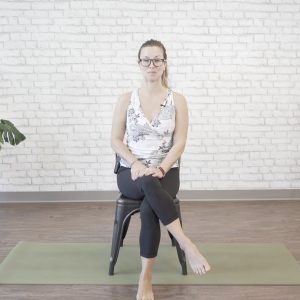
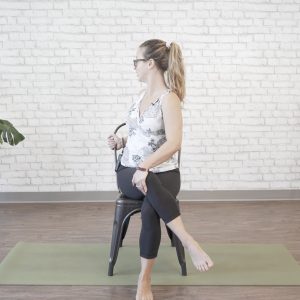
Seated Spinal Twist
- Sit tall on a sturdy chair with both feet flat on the floor.
- Cross your right leg over your left, placing your right foot outside your left thigh.
- Place your left hand on your right knee & your right hand on the chair’s backrest for support.
- Inhale deeply, lengthening your spine.
- Exhale as you gently twist your torso to the right, turning your head to follow the movement.
- Keep your back straight & shoulders relaxed, holding the stretch for 8-10 seconds.
- Slowly return to the center & switch sides.
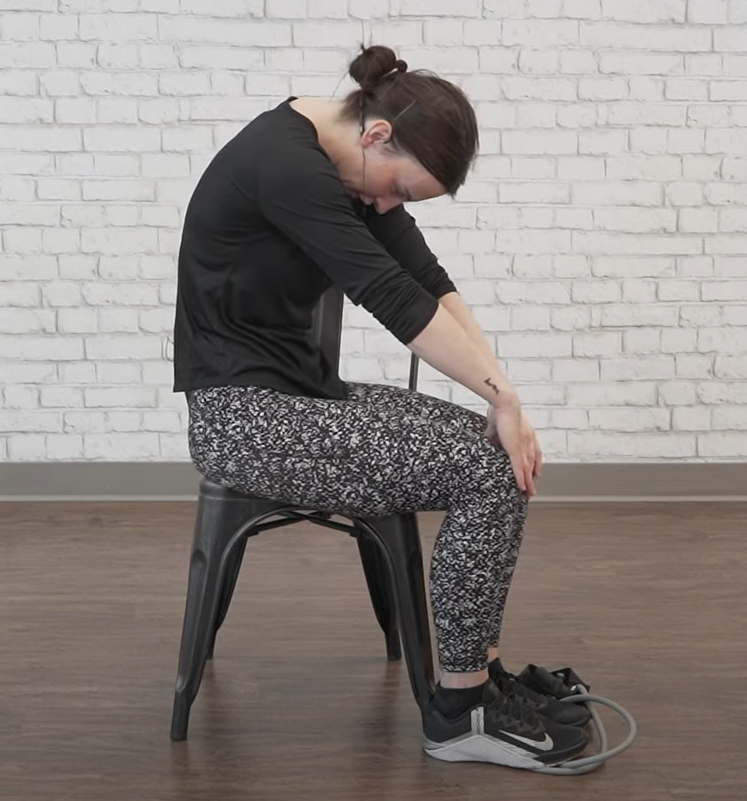
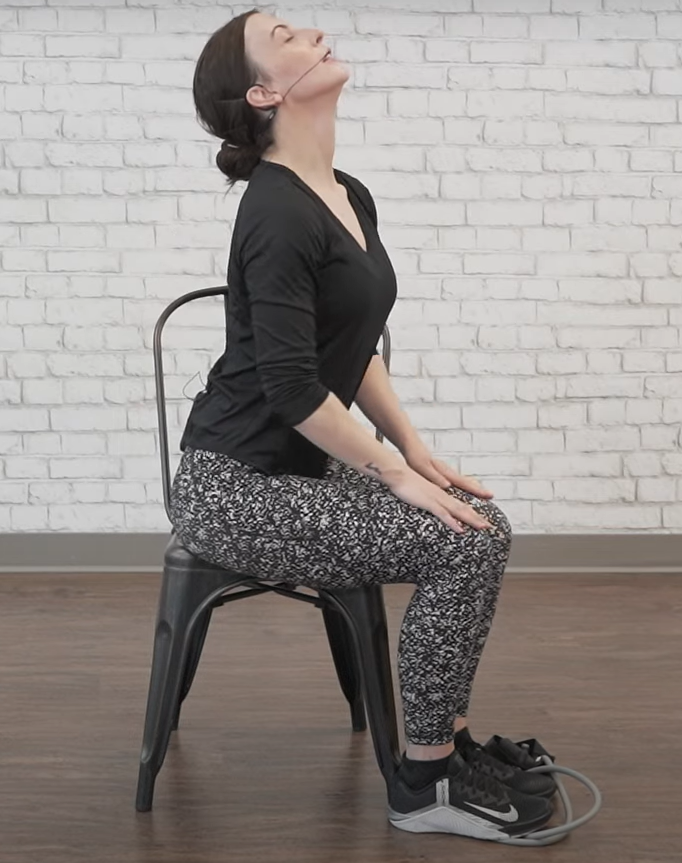
Seated Cat-Cow
- Sit on a chair with your feet flat on the floor and hands resting on your knees.
- Inhale, arch your back and lift your chest while tilting your pelvis forward (Cow pose).
- Exhale, round your back, tucking your chin and pelvis inward (Cat pose).
- Move smoothly between these positions for 8–10 reps.

Pelvic Tilt
- Lie on your back with your knees bent & feet flat on the floor, hip-width apart.
- Cross your arms over your chest or rest them by your sides.
- Imagine pulling your belly button toward your spine to activate your abdominal muscles.
- Gently tilt your pelvis backward, pressing your lower back into the floor while tightening your core muscles.
- Maintain this position for a few seconds, ensuring smooth, controlled breathing.
- Slowly release the tilt & allow your lower back to return to its natural arch.
- Repeat: Perform 8–10 repetitions, moving in a slow & controlled manner.
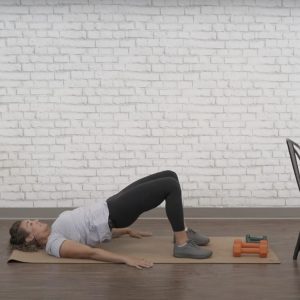
Glute Bridges
- Lie on your back with your knees bent & feet flat on the floor, hip-width apart.
- Place your arms at your sides, palms facing down.
- Engage your core & squeeze your glutes as you lift your hips toward the ceiling.
- Hold at the top for a few seconds, ensuring your body forms a straight line from shoulders to knees.
- Slowly lower your hips back to the floor.
- Repeat for 8–10 reps.
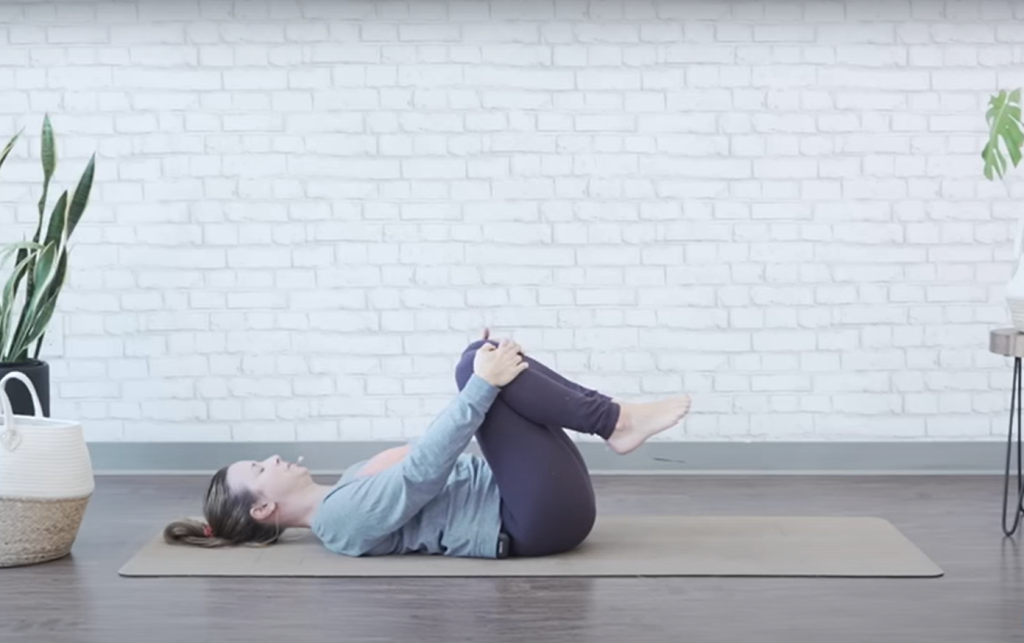
Knee to Chest Stretch
- Lie on your back with your legs extended.
- Bend one knee & bring it toward your chest, wrapping your hands around your shin.
- Hold for 10–15 seconds, keeping your lower back flat on the floor.
- Release & switch legs.

Windshield Wiper
- Lie on your back with your knees bent & feet flat on the floor.
- Extend your arms out to the sides for support.
- Slowly lower both knees to one side, keeping your upper body still.
- Hold for a moment, then bring your knees back to the center.
- Repeat on the other side for 8–10 reps per side.

Knee Plank
- Start in a forearm plank position with your elbows under your shoulders.
- Lower your knees to the floor while keeping your core engaged.
- Maintain a straight line from your head to your knees.
- Hold for 10-15 seconds, breathing steadily.
- Gradually increase the duration as you build strength.
Common Mistakes to Avoid
- Holding your breath: Breathing is key to proper movement and muscle engagement. Exhale during exertion and inhale during relaxation to maintain steady oxygen flow.
- Rushing through movements: Slow, controlled motions activate muscles more effectively and reduce the risk of strain. Focus on form rather than speed.
- Ignoring pain: Discomfort is different from pain. If an exercise causes sharp or persistent pain, adjust your positioning or stop altogether. Listen to your body.
- Skipping warm-ups & cooldowns: Preparing your muscles before exercise and stretching afterward helps prevent stiffness and injury. A few minutes of gentle movement can make all the difference.
If you’re experiencing severe lower back pain or weakness, it’s better to consult a healthcare professional before starting any exercise routine. They can assess your condition, recommend appropriate movements, & ensure your safety while strengthening your lower back.
Wrapping Up
A strong lower back helps you move freely, stand tall, and enjoy daily life without pain. The exercises above are simple yet effective, & designed to build strength safely. The most effective exercises to strengthen your lower back for seniors are those you stick to consistently. With regular practice, you can improve stability, reduce discomfort, and stay active longer. If you’re looking to ease stiffness and strengthen your lower back for long-term relief, the 7-Day Lower Back Pain Relief Program offers guided routines tailored for seniors.