7 Fall Prevention Tips For Seniors To Stay Steady & Safe
Falls are serious. Nobody wants to feel nervous about falling every time they stand up. In this guide, you’ll find fall prevention tips that can help lower your risk and keep you more steady on your feet. The CDC reports that 1 in 4 adults over 65 experiences a fall each year.
Many of these falls cause injuries that affect daily life and independence. The encouraging news is that research shows staying active and making simple changes can reduce that risk. With the right exercises, safe adjustments at home, and regular health checks, you give yourself the best chance to move with confidence.
Why Fall Prevention Matters For Seniors
The numbers tell a sobering story about falls among older adults. According to the Centers for Disease Control and Prevention, 1 in 4 adults age 65 and older falls each year. That translates to about 36 million falls annually in the United States alone.
While falls can lead to injuries that affect daily activities, the real concern is how they impact your independence and confidence. Many seniors who experience a fall tend to start limiting their favorite activities out of caution. This fear, while understandable, usually creates a cycle where less movement leads to weaker muscles and reduced balance.
Rather than living in perpetual fear of falling, why not nip it in the bud? Research from a 2024 systematic review published in JAMA shows that multifactorial and exercise interventions were associated with reduced falls in multiple good-quality trials, with exercise demonstrating the most consistent statistically significant benefit across multiple fall-related outcomes.
Simple changes in your daily routine can help reduce your risk. You have more control over staying steady on your feet than you might think.
7 Essential Fall Prevention Tips
The most effective fall prevention strategies are simple, practical steps you can start today. Each tip addresses a specific fall risk factor that research has identified as significant for seniors.
1. Build Strength & Balance Through Exercise
Strong muscles prevent falls. When your leg muscles are weak, even small stumbles become dangerous. A systematic review published to inform WHO guidelines found that exercise reduces the rate of falls by 23% compared with control groups.
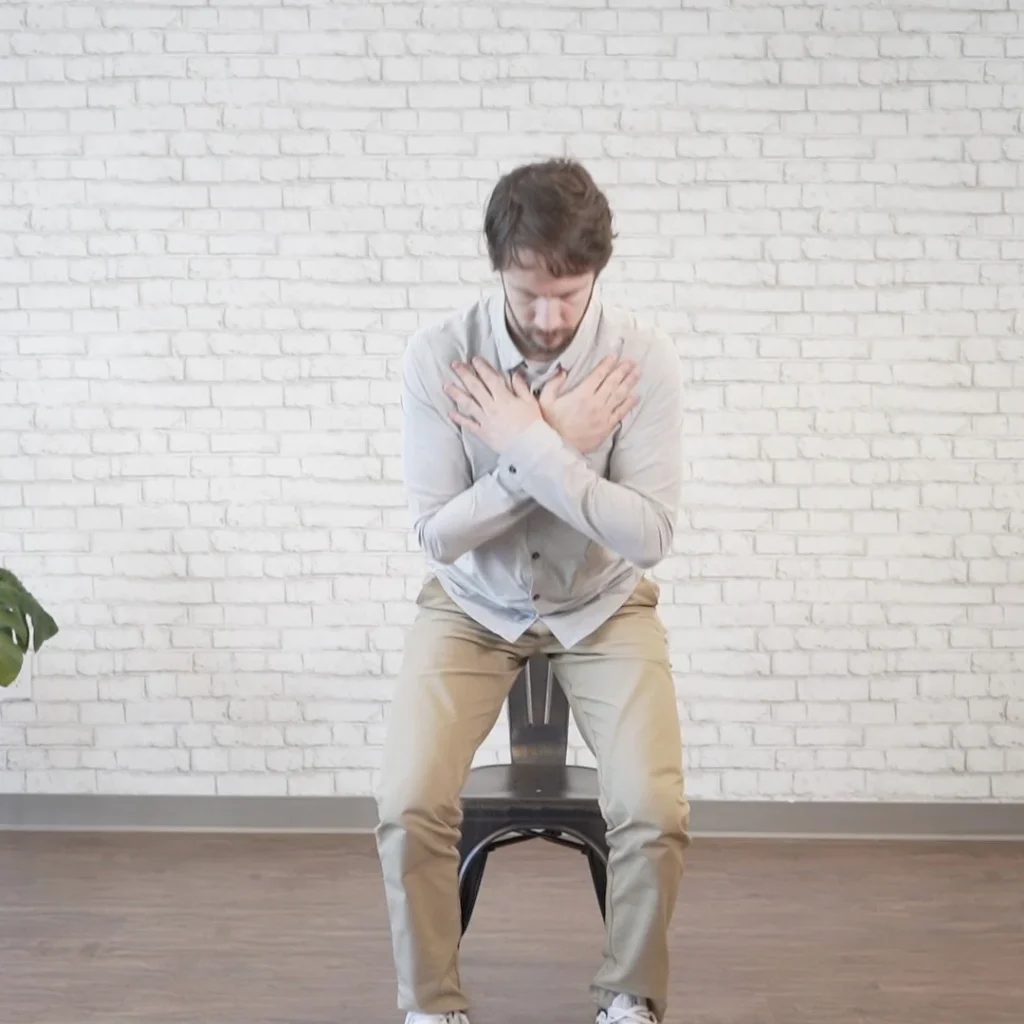
Strength Exercises:
- Chair stands: Sit in a sturdy chair, cross your arms, and stand up using only your leg muscles. Work toward 10 repetitions without using your hands.
- Wall push-ups: Stand arm’s length from a wall, place palms flat against it, and push away slowly. Start with 5 repetitions.
- Resistance band exercises: Use light resistance bands for gentle strength training that’s easier on joints than weights.
Find more exercises to improve your walking and leg strength.
Balance Exercises:
- Single-leg stance: Hold a counter and stand on one foot for 10 seconds, then switch feet. Gradually try letting go briefly.
- Heel-to-toe walking: Walk in a straight line, placing one foot directly in front of the other for 10 steps.
Find additional balance exercises that can help you stay steadier on your feet.
Overall, aim to exercise 3 times per week consistently. Your muscles need regular stimulation to maintain strength and balance.

2. Make Your Home Fall-Safe
Your home should be your safest space, but common household items create hidden fall risks. A systematic approach to home safety can eliminate most indoor fall hazards.
Remove Tripping Hazards:
- Clear walkways: Remove boxes, electrical cords, and phone cords from all walking paths.
- Secure loose rugs: Use double-sided tape or non-slip backing, or remove loose rugs entirely.
- Fix floor problems: Repair loose floorboards and torn carpeting immediately.
- Move furniture: Relocate coffee tables and plant stands from high-traffic areas.
Improve Lighting:
- Add night lights: Place them in bedrooms, bathrooms, and hallways for safe nighttime movement.
- Keep flashlights handy: Store them in easily accessible locations for power outages.
- Light switches: Install illuminated switches or keep lamps within reach of your bed.
- Stair lighting: Always turn lights on before using stairs.
Install other safety features like grab bars in your shower and tub, and handrails on stairways.

3. Wear Supportive, Non-Slip Shoes
Your footwear choice directly impacts your stability and fall risk. The wrong shoes can turn a simple walk into a dangerous situation.
Choose the Right Features:
- Non-slip soles: Look for rubber soles with good tread patterns.
- Low, wide heels: Avoid high heels; choose heels under 1 inch with a broad base.
- Proper fit: Shoes should be snug but not tight, with toe wiggle room.
- Ankle support: Choose supportive shoes over slip-on styles.
Avoid These:
- Floppy slippers: They offer no support and increase fall risk.
- Stocking feet: Socks on smooth floors are extremely slippery.
- Worn-out shoes: Replace when the tread wears down.

4. Keep Your Vision & Hearing Sharp
Good vision and hearing are vital for balance. Your inner ear plays a key role in steadiness, while clear vision helps you judge obstacles and surfaces. Problems in either sense increase your risk of falling.
Schedule regular checkups:
- Annual eye exams, or more often if advised
- Hearing tests every few years, sooner if you notice changes
- Update glasses, contacts, and hearing aids as needed
- Screen for cataracts, glaucoma, and macular degeneration
Use proper equipment:
- Keep glasses clean and scratch-free
- Maintain hearing aids and check batteries often
- Take care on stairs when wearing bifocals or progressives
- Use sunglasses outdoors to reduce glare

5. Review Your Medications Regularly
Many common medications can increase your fall risk by causing dizziness, drowsiness, or blood pressure changes. Sleep aids, blood pressure medications, antidepressants, and pain relievers are particularly problematic.
Ask your doctor or pharmacist to review all your medications annually. Report any side effects like dizziness, weakness, or balance problems. Sometimes your doctor can adjust dosages, change timing, or switch to safer alternatives.
Be especially careful when starting new medications or changing doses. Get up slowly from bed or chairs, particularly at night when medications may affect you more.
Never stop taking prescribed medications without consulting your healthcare provider first.

6. Stay Hydrated & Nourished
Dehydration and low blood sugar can cause dizziness, weakness, and confusion – all leading to falls. Your body needs proper fuel to maintain balance and quick reflexes.
A study published in the Florence Nightingale Journal of Nursing shows that water intervention programs lead to a sustainable decrease in the number of falls among older adults who increased their water intake.
Drink water throughout the day, not just when thirsty. Keep a water bottle nearby as a reminder. Eat regular meals and snacks to prevent blood sugar drops. Choose balanced foods with protein, healthy fats, and complex carbohydrates.
Watch for warning signs like dizziness when standing, fatigue, or confusion. These can signal dehydration or low blood sugar.

7. Plan Your Movements & Take Your Time
Rushing is one of the biggest fall risk factors. When you hurry, you’re more likely to miss obstacles, lose your balance, or make poor decisions about your footing.
Slow down when changing positions. Take a moment to steady yourself when getting up from bed, chairs, or the toilet. Stand still briefly before walking to let your blood pressure adjust.
Plan your route through your home. Look ahead for obstacles, pets, or changes in flooring. Turn on the lights before moving through dim areas.
Avoid carrying too many items at once. Multiple trips are safer than overloading your arms and blocking your view. Use a cart or bag to transport items when possible.
Start Your Fall Prevention Journey Today
Fall prevention doesn’t have to be complicated or time-consuming. The Fall Prevention Exercises Class can help you easily add strength to the stabilizing muscles that play the biggest role in keeping you upright—in only 15 minutes a day.
These seven fall prevention tips work together to keep you steady and confident. Start with the changes that feel most doable, whether that’s clearing walkways or practicing balance exercises at your kitchen counter. Small daily actions add up to significant protection against falls.