
Gentle Strength Training For Seniors—No Equipment Needed
You’ve probably heard that strength training for seniors is important as we age. Maybe your doctor mentioned it, or a friend keeps talking about their gym routine. But here’s the thing: many people think strength training for seniors means hefty weights, complicated machines, or expensive gym memberships. But that’s not true.
You can build meaningful strength right in your living room. No weights or gym membership needed. According to the Centers for Disease Control and Prevention, adults 65 and older need at least 2 days per week of muscle-strengthening activities. Research shows that strength training can enhance bone mineral density, increase muscle mass, and improve balance.
Medical Note: Always consult with your healthcare provider before starting any new exercise program, especially if you have existing health conditions or concerns.
Why Gentle Strength Training Matters for Seniors
Think about your daily activities. Getting up from your favorite chair. Carrying groceries from the car. Climbing stairs and opening stubborn jars. These simple tasks all require muscle strength.
As we age, we naturally lose muscle mass. This process, called sarcopenia, can make everyday activities more challenging. But gentle strength training can slow this process and may even reverse it.
The CDC recommends strength training to reduce the risk of falls and fractures and promote independent living. Studies show that exercise programs reduce fall rates in older adults, which is crucial since falls are a leading cause of injury among seniors.
Here’s what gentle strength training can do for you:
- Stronger Bones: Resistance training triggers a response from bone-forming cells, helping protect against osteoporosis.
- Better Balance: Stronger muscles, especially in your core and legs, help you stay steady on your feet.
- Daily Independence: Simple movements like standing up become easier when your muscles are stronger.
- Improved Confidence: When you feel physically stronger, you’re more likely to stay active and engaged.
The best part? You don’t need to lift heavy weights to see these benefits. Gentle, consistent movements using your own body weight can make a real difference in how you feel and move every day.
Getting Started: Your Strength Training Foundation
Before you begin any strength training for seniors routine, create a safe environment. Clear a space around you. Wear comfortable clothes that allow you to move freely. Keep a glass of water nearby. Have a sturdy chair within reach for support or rest.
Listen to Your Body
This is the most important rule in strength training for seniors. You should feel your muscles working, but you should never feel pain. Think of effort on a scale of 1 to 10. Aim for a 5 or 6. You should be able to hold a conversation while exercising.
Stop immediately if you feel:
- Sharp or sudden pain
- Dizziness or lightheadedness
- Chest pain or difficulty breathing
- Nausea
The Gentle Progression Rule
Start with movements that feel easy. Master the form before adding repetitions. Your muscles need time to adapt and grow stronger.
Week 1: Focus on learning each movement correctly
Week 2: Add a few more repetitions if you feel comfortable
Week 3-4: Gradually increase duration or repetitions
How Often Should You Exercise?
The CDC recommends at least 2 days per week of muscle-strengthening activities. Start with 15-20 minutes, two times per week. Always take at least one full day of rest between strength training sessions. Your muscles grow stronger during rest, not during exercise.
7 Gentle Strength Exercises for Seniors (No Equipment Required)
These strength training for seniors exercises use only your body weight and household items for support. Start with 5-8 repetitions of each exercise. Focus on smooth, controlled movements.
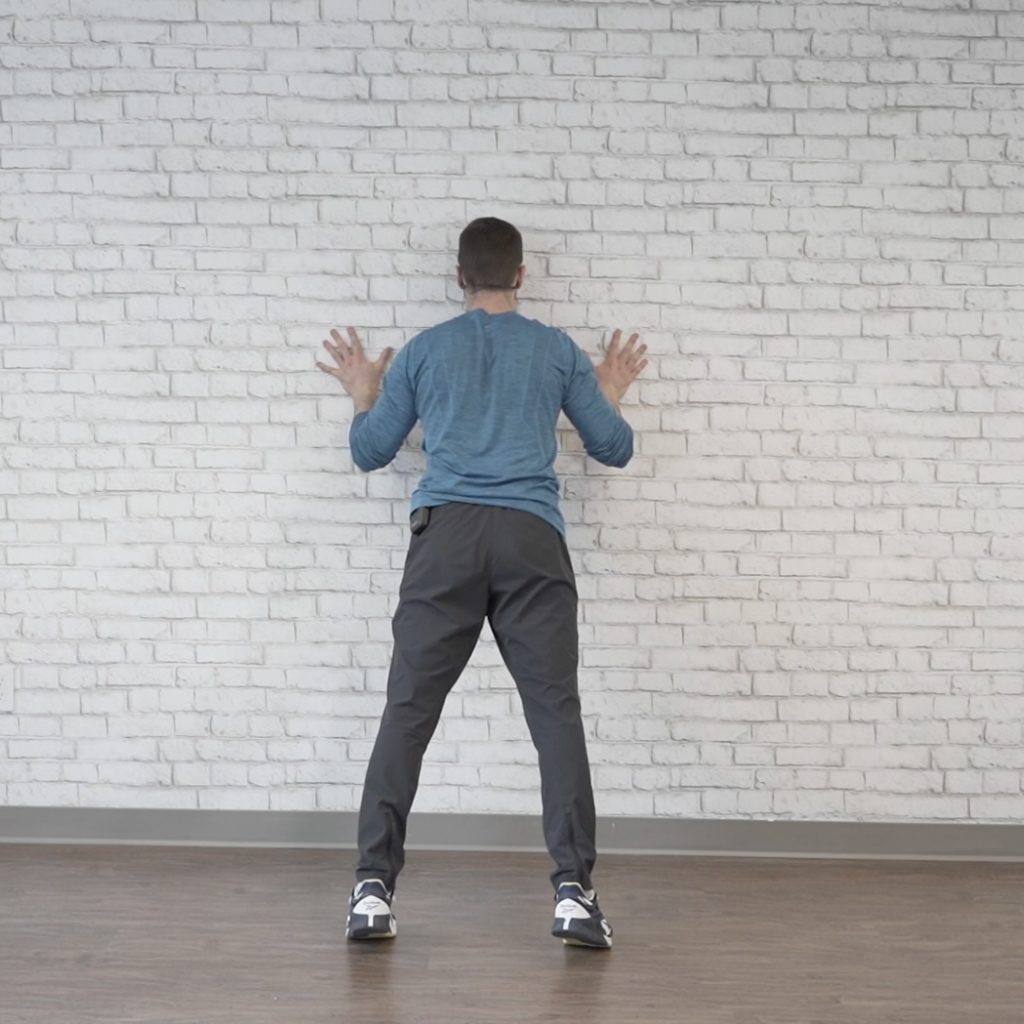
1. Wall Push-Ups
- Stand at arm’s length from a wall
- Place your palms flat against the wall at shoulder height and width
- Slowly lean forward until your nose almost touches the wall
- Push back to the starting position
Start Here: Stand closer to the wall to make it easier.
Common Mistake: Don’t hold your breath. Breathe out as you push away from the wall.

2. Standing Overhead Reaches
- Stand tall with feet hip-width apart, using a chair or wall for support if needed
- Raise both arms slowly overhead, reaching toward the ceiling
- Lower your arms back to your sides with control
Modification: Alternate arms if raising both feels too challenging.
Common Mistake: Don’t arch your back. Keep your core gently engaged.
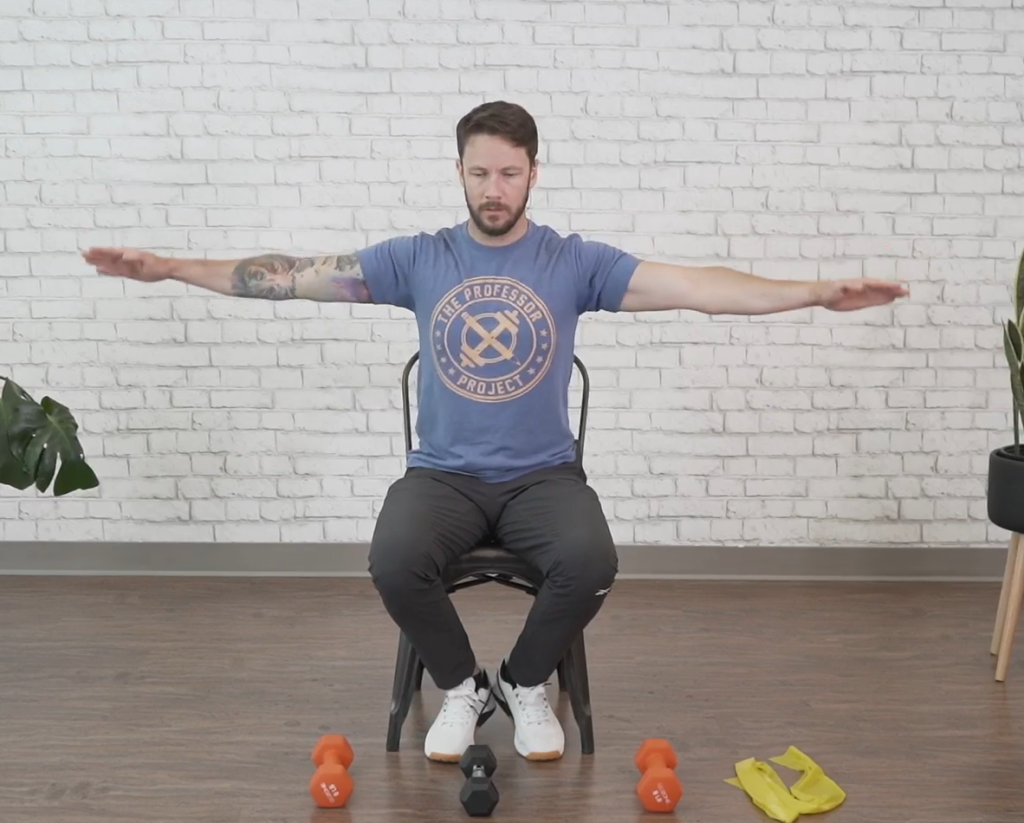
3. Chair-Supported Arm Circles
- Stand behind a sturdy chair, holding the back for support
- Extend one arm out to your side
- Make small circles forward, then backward
- Switch arms
Start Here: Make very small circles and gradually increase size as you get stronger.
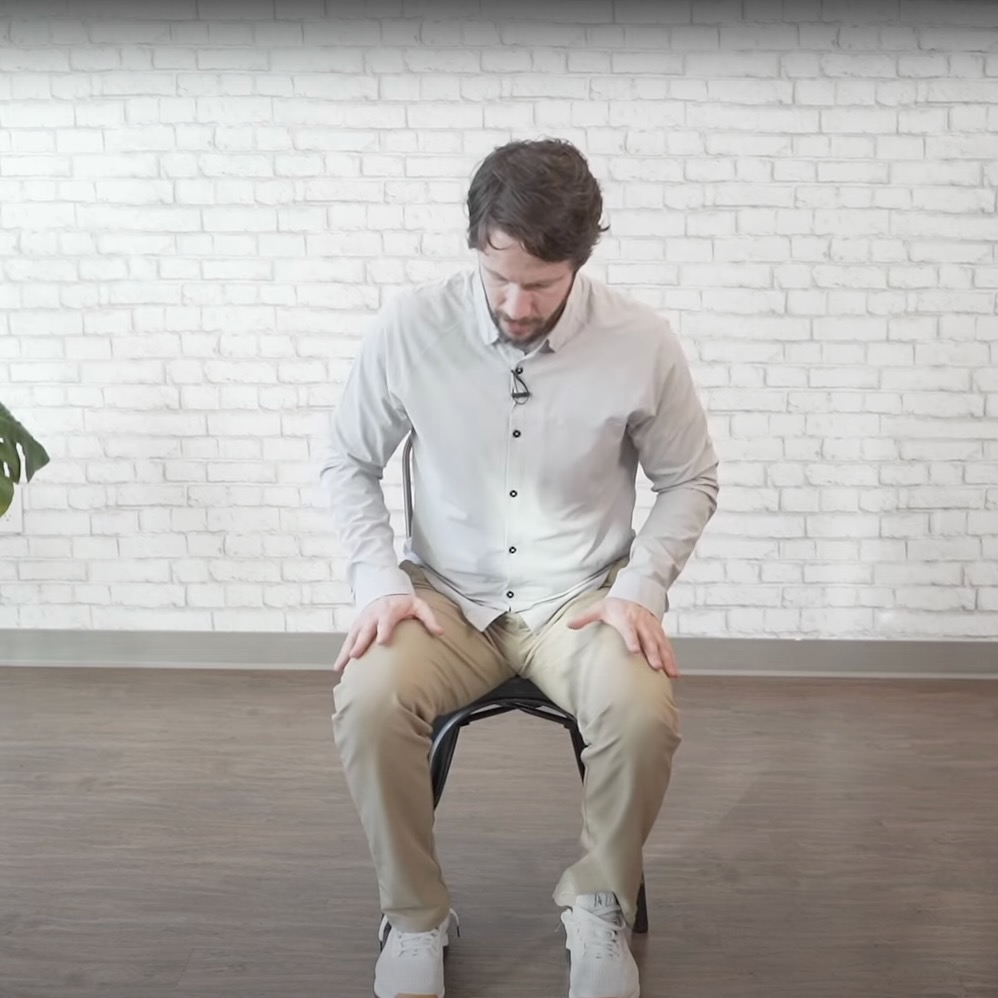
4. Chair Stands (Sit-to-Stand)
- Sit in a sturdy chair with feet flat on the floor, hip-width apart
- Cross your arms over your chest
- Stand up slowly without using your hands
- Sit back down with control
Start Here: Use your hands on the chair arms for assistance if needed.
Common Mistake: Don’t plop down when sitting. Lower yourself slowly.
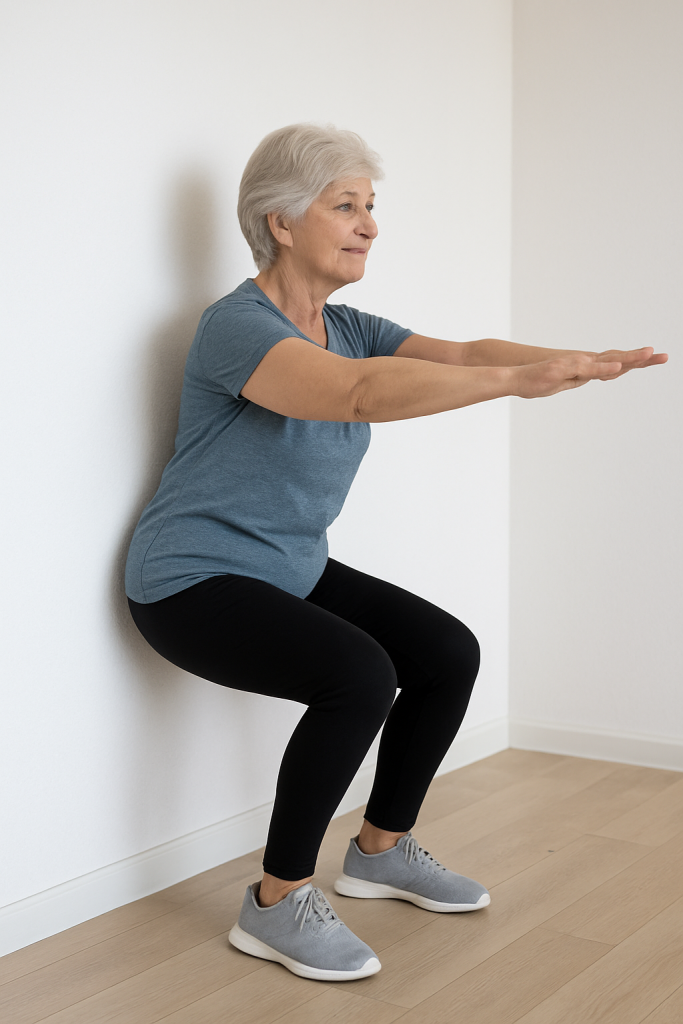
5. Wall Squats
- Stand with your back against a wall, feet hip-width apart and slightly in front of you.
- Slowly slide down the wall until your thighs are parallel to the floor (or as far as comfortable)
- Hold for 2-3 seconds
- Slide back up
Start Here: Only go halfway down until you build strength.
Common Mistake: Don’t let your knees cave inward. Keep them aligned over your toes.
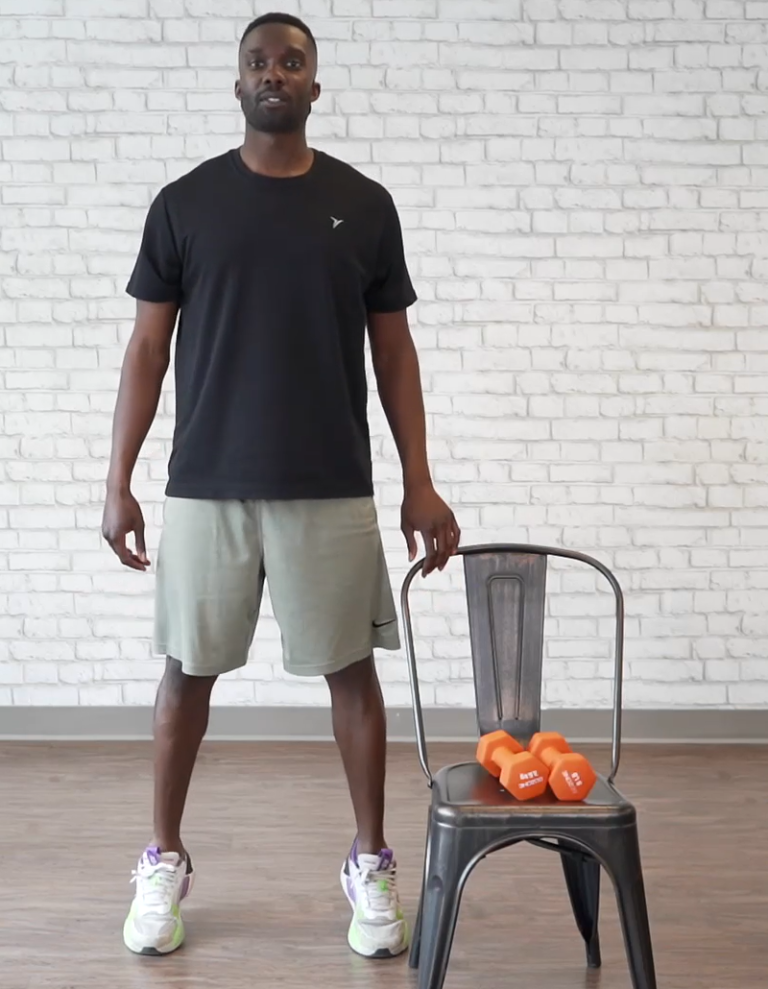
6. Calf Raises
- Stand behind a sturdy chair, holding the back for balance
- Rise up onto your toes, lifting your heels as high as comfortable
- Hold for 2 seconds
- Lower slowly
Modification: Do this exercise while seated if standing balance is challenging.
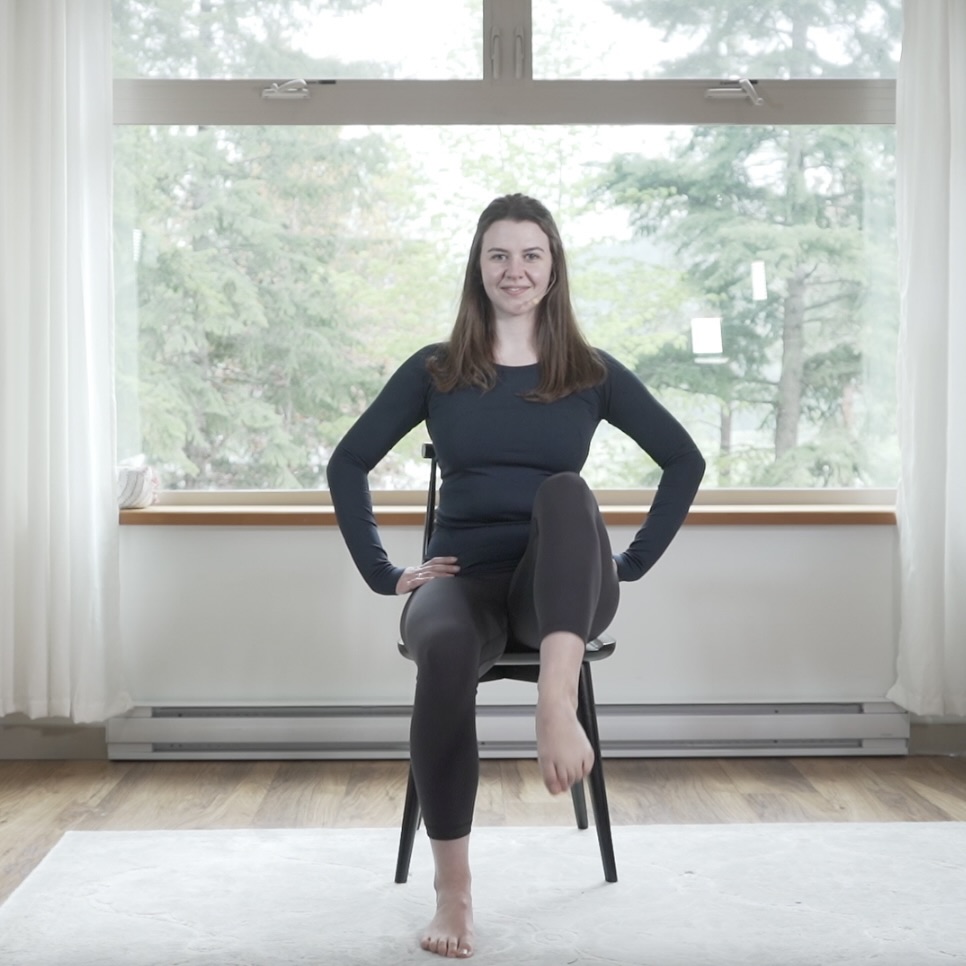
7. Seated Marches
- Sit tall in a chair with feet flat on the floor
- Lift one knee toward your chest
- Lower it slowly
- Alternate legs as if marching in place
Start Here: Lift your knee just a few inches off the chair.
Common Mistake: Don’t lean back in the chair. Sit tall throughout the movement.
Start with 5-8 repetitions of each exercise. Rest for 30-60 seconds between exercises. As you get stronger, gradually add more repetitions rather than rushing through the movements.
Start Building Your Strength Today
These seven gentle exercises are your foundation for a stronger, more confident you. The hardest part is often just beginning. Pick one or two exercises that feel comfortable and try them today. Your future self will thank you for taking this first step toward better health and independence.
Your strongest, most confident years can still be ahead of you. Let’s make them happen together. The Improve Your Functional Strength Digital Class takes these exercises to the next level with personalized guidance and expert instruction. Join hundreds of seniors who are building real strength that makes daily activities easier and more enjoyable.