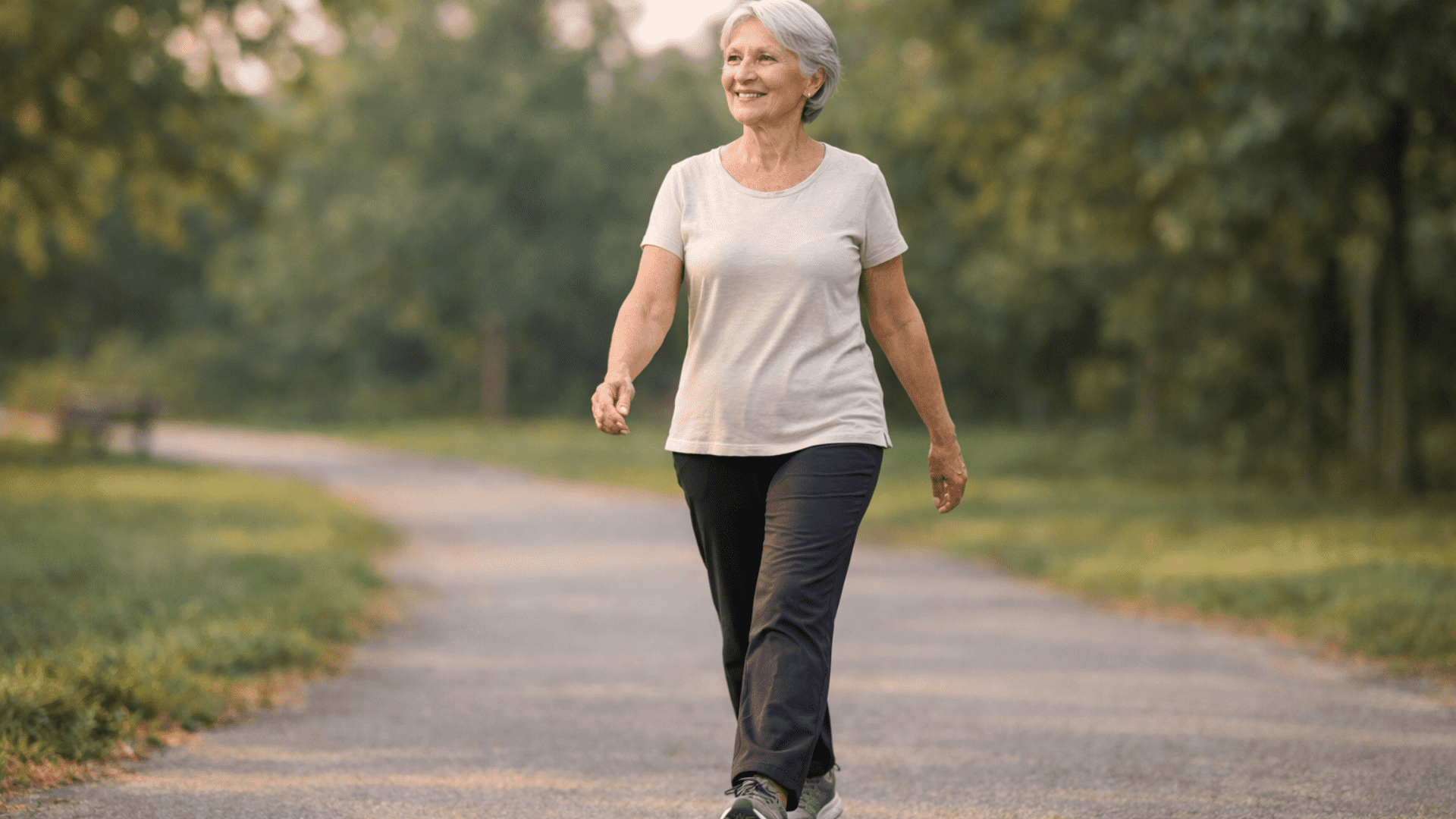
Gentle Walking Workouts For Seniors That Fit Your Pace
Walking is often touted as the perfect exercise for seniors. It is easy to start, requires minimal equipment, and can fit into your day without major planning. But there’s a difference between casual strolls and walking workouts for seniors. The latter builds in warm-ups, intervals, and progression that add structure to your walking routine and help your body strengthen and adapt.
Why Walking Works for Your Body
The CDC recommends at least 150 minutes per week of moderate activity for adults, and walking checks that box without stress or strain for senior adults. However, it’s important to have a structure to it. While random walks can be beneficial, a planned walking workout with a warm-up, main section, and cool-down gives your body a complete routine.
Regular walking may help:
- Support heart health and circulation
- Keep joints lubricated and reduce stiffness
- Improve balance and coordination
- Manage blood pressure over time
Before you start: Consult with your physician before beginning any new exercise program, especially if you have existing health conditions. Stop and rest if you experience dizziness, chest discomfort, or sharp pain during activity.
Walking Workouts for Seniors to Try

Beginner Steady-State Walking
Time: 10 to 15 minutes
Goal: Build endurance and establish a consistent walking habit
Warm-Up (2–3 minutes)
- Walk at an easy pace to loosen up your muscles
- Swing your arms gently at your sides
- Roll your shoulders back a few times
Main Walk (6–10 minutes)
- Settle into a steady, comfortable pace
- You should be able to hold a conversation without gasping
- Keep your gaze forward
- Let your heel strike the ground first, then roll through to your toes
- Maintain an upright posture without straining
Cool-Down (2 minutes)
- Slow your walking pace gradually to bring your heart rate down
This workout helps you build a foundation. Over time, you build up your cardio capacity, and your legs feel stronger during daily activities. Start with 10 minutes total if you’re new to structured walking. Add 2–3 minutes each week as your body adapts.

Interval Walking
Time: 15 to 20 minutes
Goal: Improve stamina and support heart health
Warm-Up (3 minutes)
- March in place for 30 seconds, lifting your knees gently
- Circle your ankles five times in each direction
- Begin walking at an easy pace for the remaining time
Intervals (Repeat 3–4 times)
- Moderate pace: 3 minutes (you can speak in full sentences)
- Brisk pace: 1 minute (talking feels harder but still possible)
A randomized controlled trial in Mayo Clinic Proceedings found that participants in a high-intensity interval walking program showed improvements in thigh muscle strength and aerobic capacity. The researchers concluded that high-intensity interval walking may help protect against age-related declines in muscle strength and fitness.
Cool-Down (2 minutes)
- Return to easy walking to let your heart rate settle
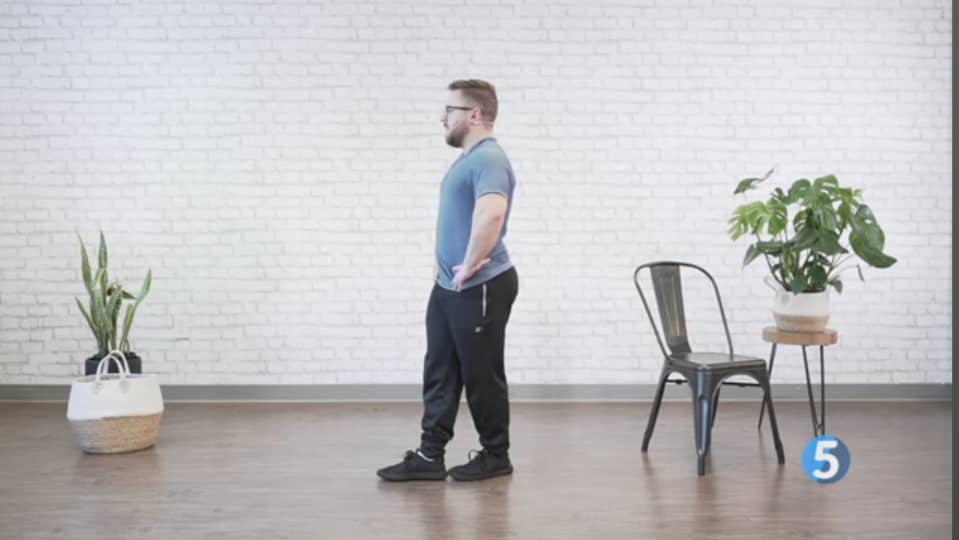
Balance & Strength Walking Workout
Time: 15 to 20 minutes
Goal: Improve stability and engage underused muscle groups
Warm-Up (2–3 minutes)
- Stand tall and swing your arms forward and back 10 times
- Shift your weight from one foot to the other, lifting each heel slightly
- Begin walking at a regular, comfortable pace
Heel-to-Toe Walking (1–2 minutes or 20–30 steps)
- Place your heel directly in front of your toes with each step
- Walk as if you’re on a tightrope
- Keep your core engaged for balance
Recovery Walk (2 minutes)
- Return to normal walking
Backward Walking (30 seconds–1 minute)
- Find a clear, open space
- Take small, controlled steps backward
- Use a wall or hallway for support if needed
- Keep your movements deliberate
Backward walking challenges your body differently compared to forward walking. It requires more deliberate control and engages your quadriceps and core differently.
Recovery Walk (2 minutes)
- Walk forward at a normal pace
Incline Walking (3–5 minutes, optional)
- Find a gentle hill or set a treadmill to a slight incline
- Keep your steps shorter than usual
- Lean forward slightly from your ankles, not your waist
- Engage your glutes and hamstrings
Cool-Down (2 minutes)
- Walk on flat ground at an easy pace
Safety notes: Clear your path before attempting backward walking. Start near a wall or sturdy surface you can reach for balance.
Making It Work For You
These senior-friendly workouts for seniors work best when they fit your current needs and situation. The guidance below helps you choose where to start, adjust for joint discomfort, and find support if balance feels uncertain. Small adaptations can make a big difference in staying consistent.
Getting Started
- Pick the Beginner Steady-State Workout if you’re new to structured walking
- Start with three to four days per week
- Add two to three minutes each week once 10 minutes feels comfortable
- Move to the Interval Walking Workout when you can complete 15 minutes without strain
If You Have Joint Pain
- Choose softer surfaces like grass, dirt trails, or rubberized tracks
- Start with shorter sessions (five to seven minutes instead of 10)
- Increase how often you walk before you add time to each session
- Three short walks spread across the week can feel easier than one longer walk
If Balance Is a Concern
- Start with the Beginner Steady-State or Interval Walking Workouts
- Save the Balance and Strength Walking Workout until you feel steadier
- Use treadmills with handrails for built-in support
- Try mall walking for smooth, flat surfaces with benches nearby
- Walk with a friend or join a group for extra security
- Use indoor hallways with walls on both sides so you can reach for support when needed
Start Walking Today
If you want guided support as you build your walking habit, the 7-Day Indoor Walking Workout Digital Class offers daily sessions designed specifically for seniors. It gives you a clear plan to follow each day.
You don’t always need a complicated routine to stay strong and mobile. Walking gives you a way to move that already feels natural. Walking workouts for seniors add structure to something your body already knows how to do. Pick one that matches where you are today, then build from there as your body adapts. Every step you take strengthens your body and builds the confidence to keep moving.