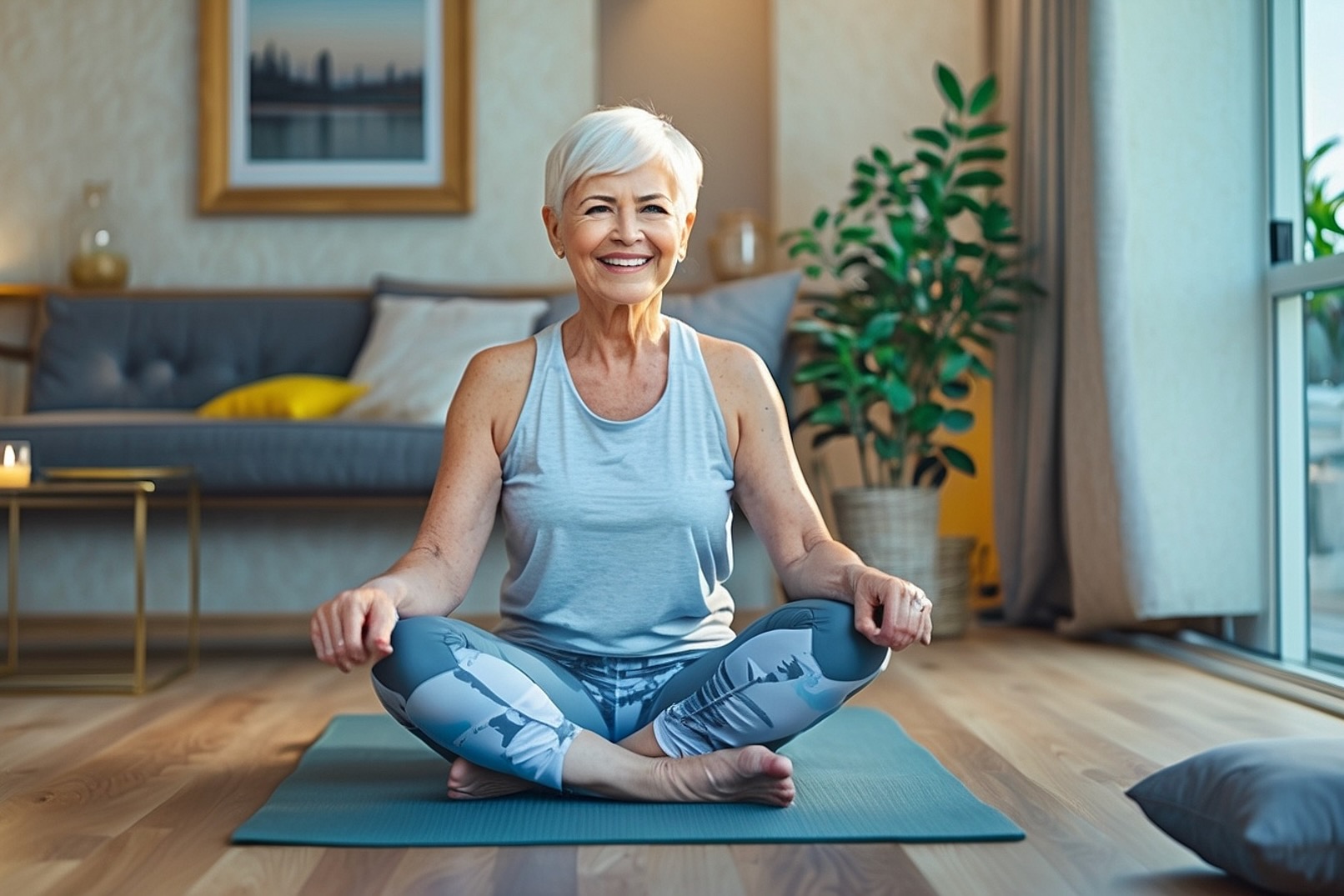
How to Reduce Post Workout Inflammation: 8 Effective Tips
Ever finished a workout feeling accomplished, only to wake up stiff and sore the next day? That’s your body’s way of healing, but it doesn’t have to slow you down. For seniors, learning how to reduce post workout inflammation is key to staying consistent, minimizing discomfort, & making every workout feel rewarding. Let’s help you understand why this happens and, more importantly, how to manage it with ease.
Why Does Post-Workout Inflammation Occur?
As surprising as it may sound, inflammation is the body’s normal response to workouts. During workouts, different parts of the body, especially muscles, undergo stress and micro-damage as they are stretched, contracted, & challenged.
To heal, the body releases chemicals like cytokines and prostaglandins, which recruit immune cells to the affected area. These cells repair tissues, clear out waste, and increase blood flow to the muscles, delivering oxygen & nutrients needed for recovery. This process, while natural, can lead to soreness, swelling, or stiffness after exercise.
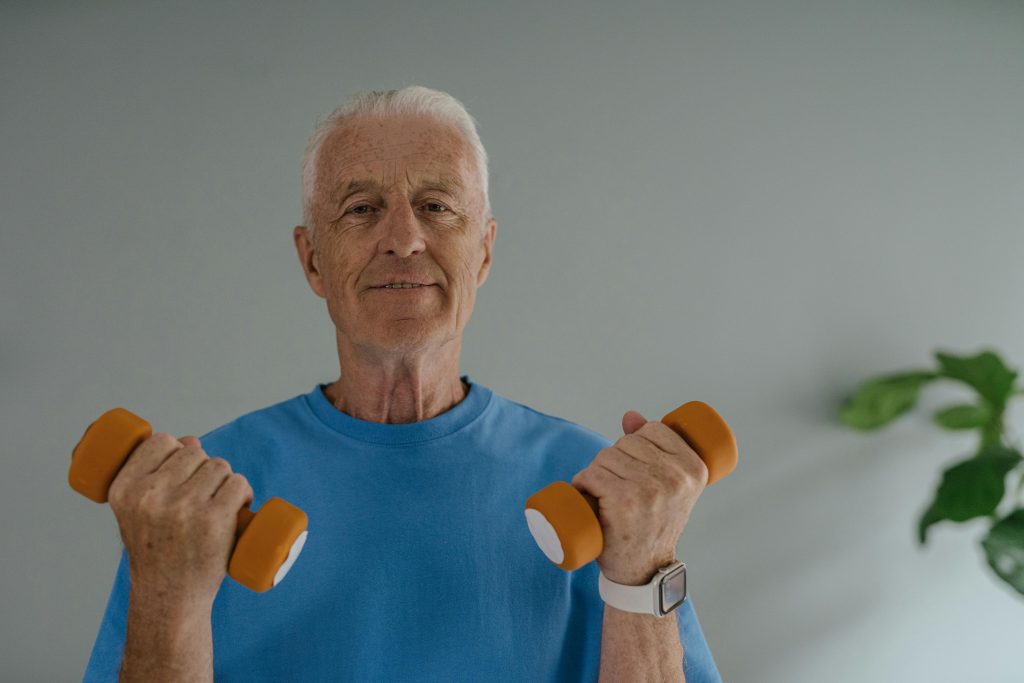
Top 8 Tips to Reduce Post-Workout Inflammation
1. Eat Right
Before trying any other tip, be sure you’re eating right. The right diet is the foundation of everything good in the body. Foods with anti-inflammatory properties such as tomatoes, avocado, olive oil, green leafy vegetables, berries, and fatty fish should feature prominently in your diet. Don’t forget to drink enough water too. Emerging research suggests that anti-inflammatory foods or supplements may help with delayed-onset muscle soreness after exercise.
2. Try Supplements
Although taking supplements won’t replace a healthy diet, they can still be useful in helping the body fight post-exercise inflammation & general recovery. Supplements rich in amino acids like BCAAs are great options. Collagen & curcumin supplements are also great for post-workout recovery.
3. Massage Therapy
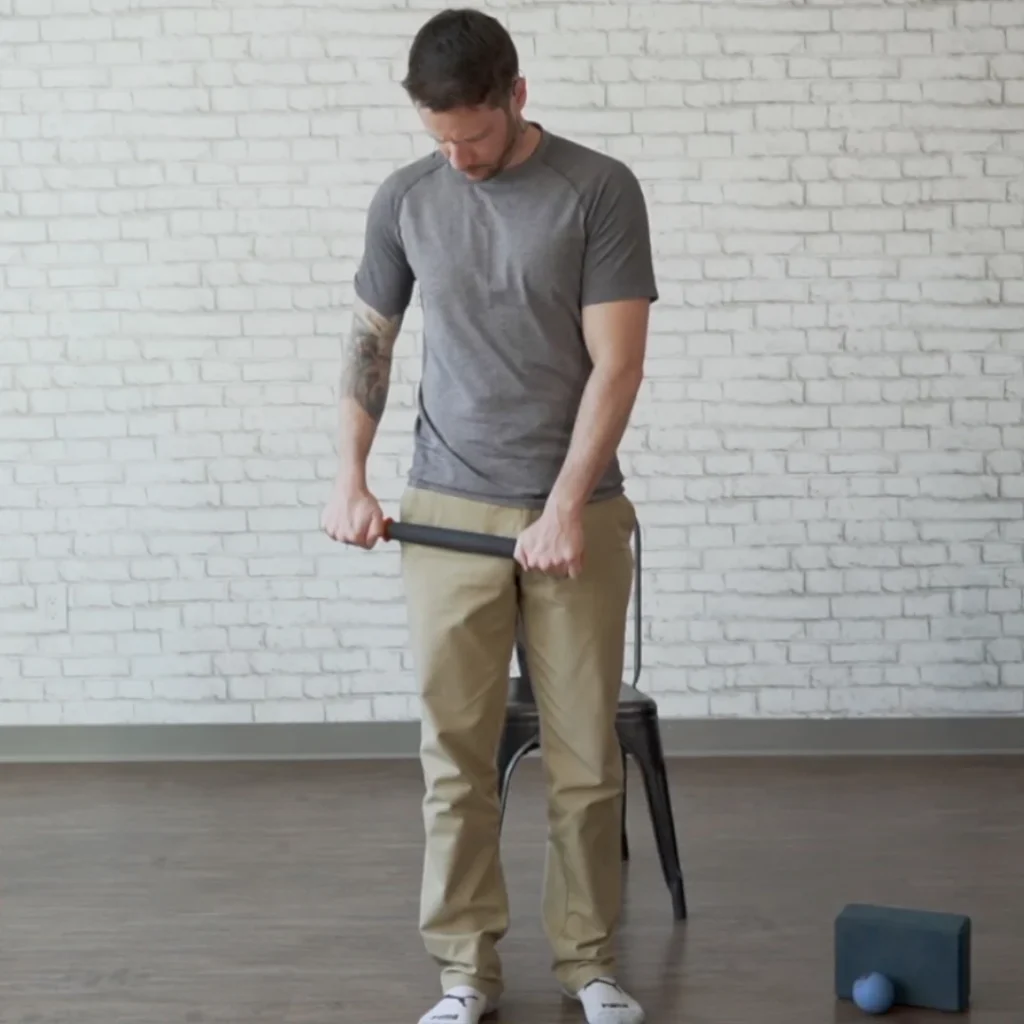
The good old way of massaging could help reduce inflammation after working out. A review of 11 articles, analyzing 23 data points, assessed the effects of massage therapy on post-workout recovery. The findings showed that massage reduced muscle soreness by several points at different intervals.
It doesn’t have to be done in a massage parlor as this may not always be feasible if you work out regularly. You can self-massage your arms, shoulders, thighs, & calves without additional help. For step-by-step guidance on reducing soreness with massage, check out the Full-Body Self Massage for Relief of Aches and Pains digital class.
4. Foam Rolling
Foam rolling is another form of self-massage that can ease post-workout inflammation. It involves using a specialized cylindrical foam roller to apply pressure to specific muscle groups. This process, known as myofascial release, helps to loosen tight muscles & improve blood flow.
Foam rolling might be a tad uncomfortable if your muscles are really sore. That’s why it’s best to start with light pressure and build on it. Also, you can control the intensity by adjusting how much of your body weight rests on the foam roller.
5. Heat/Ice Therapy
Heat and cold are on two opposing sides, but they can be beneficial in managing post-exercise soreness. The ideal choice between the two depends on what you hope to achieve. Heat therapy boosts blood flow and relaxes muscles, easing discomfort & improving flexibility. In contrast, ice reduces blood flow, helping to lower swelling and inflammation.
According to a 2021 study, cold therapy works best when used within an hour of exercise. It helps to reduce soreness during the first 24 hours but shows little benefit afterward. Heat therapy, especially with hot packs, is effective both in the first 24 hours and beyond. Cold therapy can involve a cold compress, a chemical cold pack, or massaging with an ice cube for up to 10 minutes. You can use heating pads, hot water bottles, or heat wraps for heat therapy.
6. Adjust Your Routine
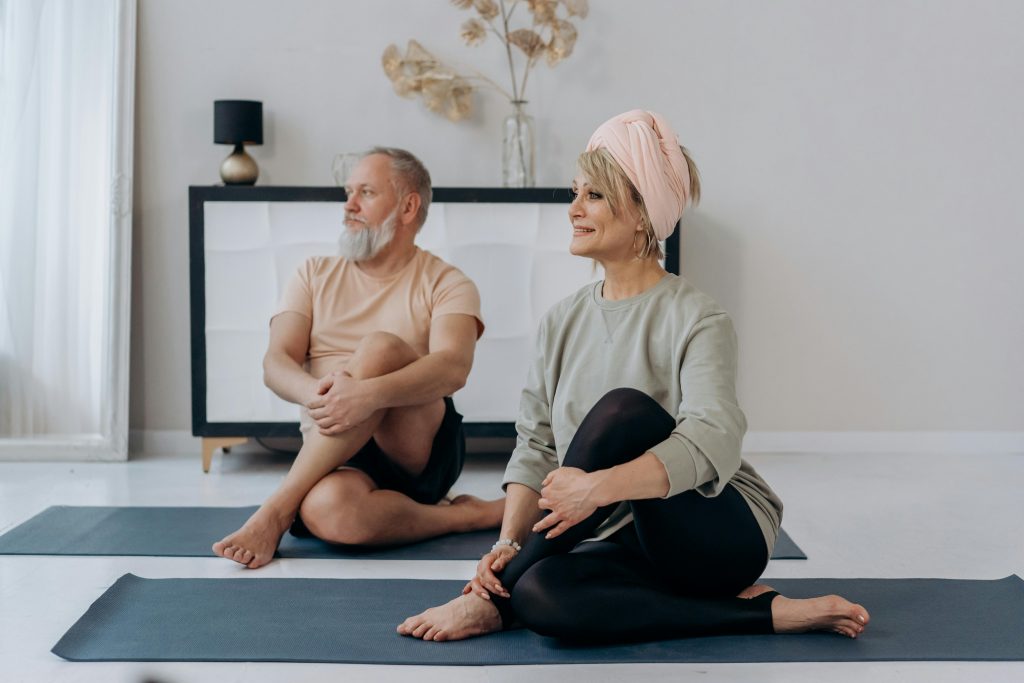
Regular post-workout inflammation might be a sign of overexertion. As an older adult, it’s important to listen to your body and modify your exercises to avoid overstraining. Focus on low-impact activities, like chair exercises, walking or swimming, and ensure proper warm-ups and cool-downs. Gradually increase the intensity to allow your body time to adapt. Don’t forget to include rest days to support recovery. A well-structured routine can reduce the risk of inflammation while keeping you active and consistent.
7. Use Compression Garments
A staple among athletes, compression garments can speed up muscle recovery & blood circulation. For example, a study found that wearing compression socks helped insufficiently active older adults reduce symptoms of soreness & improved recovery at 24 & 48 hours.
8. Practice Active Recovery
Active recovery is the practice of engaging in a low-intensity workout after a strenuous routine. It doesn’t necessarily have to come after a high-intensity workout—just make sure your movements are relatively gentler and more controlled.
On the surface, active recovery might sound counterproductive, but it helps improve circulation, reduce soreness, and speed up recovery by keeping your muscles engaged. The idea is to avoid passive recovery, where you do nothing, as that can lead to stiffness and slower healing. Activities like light yoga, walking, or stretching are excellent options for active recovery.
The Role of Rest & Sleep for Recovery
Sleep, the body’s natural reset button, is integral to post-workout recovery. Good sleep energizes the body & aids muscle and tissue recovery. This is because our body produces growth hormones during sleep. Specifically, during stage 3 deep sleep, the brain produces slow delta waves & the body undergoes significant tissue repair and rejuvenation.
Seamless transition through the different stages of the sleep cycle depends on having proper sleep hygiene. Maintaining a cool, comfortable room temperature and engaging in sleep-friendly practices like meditation or deep-breathing exercises can promote relaxation & help the body recover from post-exercise inflammation better.
Wrapping Up
Managing post-workout inflammation is key to staying consistent and making exercise more enjoyable. Simple practices like adjusting your routine, eating anti-inflammatory foods, and prioritizing sleep can make a big difference. With these tips on how to reduce post workout inflammation, you can recover faster, minimize discomfort, & maintain your fitness routine with ease. Take it a step further by learning gentle, at-home massaging techniques in our Full-Body Self Massage for Relief of Aches and Pains digital class. Learn 30+ self-massage techniques and recover faster—perfect for seniors and beginners alike!