Low Impact Workout for Seniors: Move Better Without Hurting
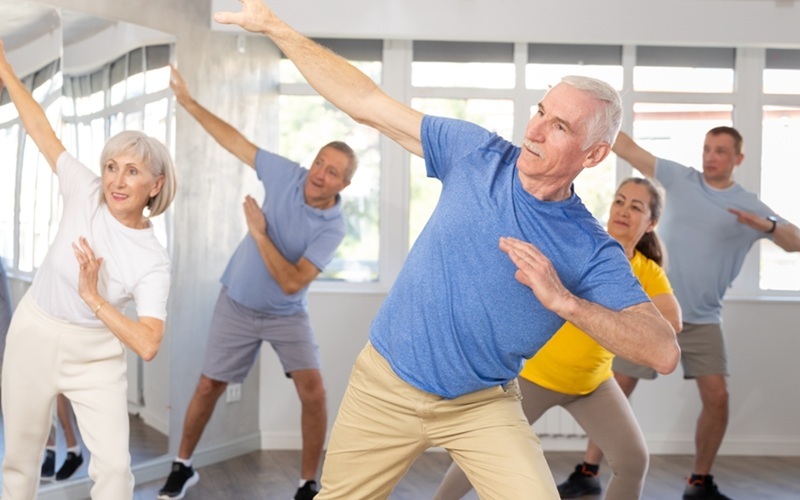
A low impact workout for seniors is any exercise routine that keeps at least one foot on the ground, avoids high-force joint loading, and still delivers real fitness gains. These workouts are ideal for adults 60+ who want to stay active without putting stress on their knees, hips, or lower back.
Why Low Impact Workouts Are Perfect for Seniors
As we age, cartilage thins, joints become more sensitive, and recovery takes longer. High-impact activities like running or jumping can accelerate joint wear. Low impact workouts solve this by delivering cardiovascular and strength benefits with far less strain.
Research consistently shows that low impact training improves balance, reduces fall risk, maintains muscle mass, and supports heart health — all without the injury risk of high-impact exercise. If you’ve been looking for a way to get moving again without pain, this is it.
The Best Low Impact Workout Moves for Seniors
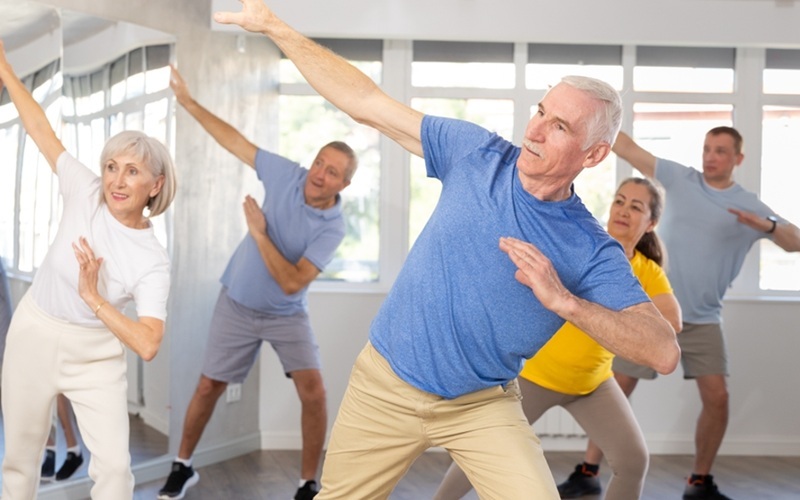
Here are 8 effective, joint-friendly exercises you can do at home — no equipment required. Do each for 45 seconds, rest 15 seconds, and repeat the circuit 2–3 times.
1. Seated Marching
Sit tall in a sturdy chair and lift alternating knees as if marching in place. This warms up the hips and gets circulation moving. Aim for 30 reps per leg.
2. Standing Side Step
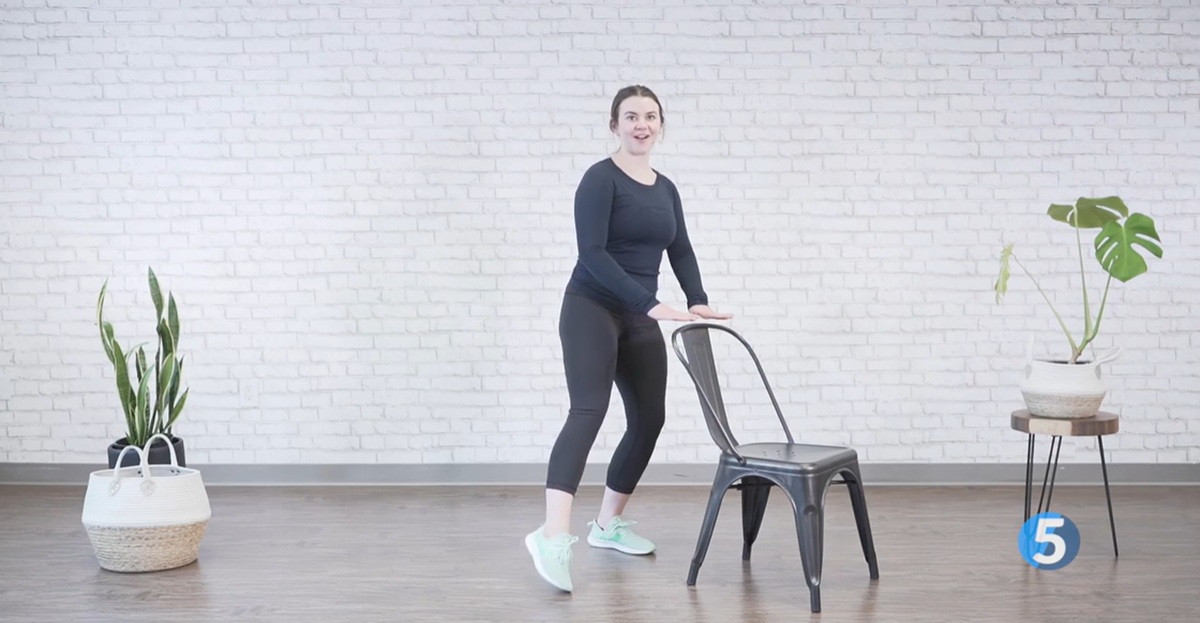
Stand behind a chair for support. Step to the right, bring feet together, then step to the left. This gentle lateral movement strengthens the hips and improves lateral balance — a key factor in fall prevention. If you want structured guidance, the Fall Prevention Exercises class at Better5 walks you through exactly this type of movement.
3. Chair Squats
Stand in front of a chair, lower yourself slowly as if about to sit, then stand back up before fully sitting. This builds quad and glute strength without deep knee flexion. Keep your chest up and weight in your heels.
4. Wall Push-Ups
Place both palms flat on a wall at shoulder height. Slowly lower your chest toward the wall, then push back. This is a safe upper body strength move that avoids floor work entirely.
5. Heel Raises
Stand behind a chair, hold lightly for balance, and rise up onto your toes, then slowly lower. Repeat 15–20 times. Heel raises strengthen the calves and improve ankle stability — both critical for confident walking.
6. Hip Circles
Standing with hands on hips, gently circle your hips in one direction 8 times, then reverse. This lubricates the hip joint and improves range of motion. For a deeper mobility focus, the 7 Days of Chair Pilates for Mobility class pairs beautifully with this routine.
7. Seated Leg Extensions
Sit in a chair and slowly extend one leg until straight, hold 2 seconds, lower slowly. This strengthens the quadriceps without loading the knee joint. Do 12 reps per leg.
8. Neck Rolls
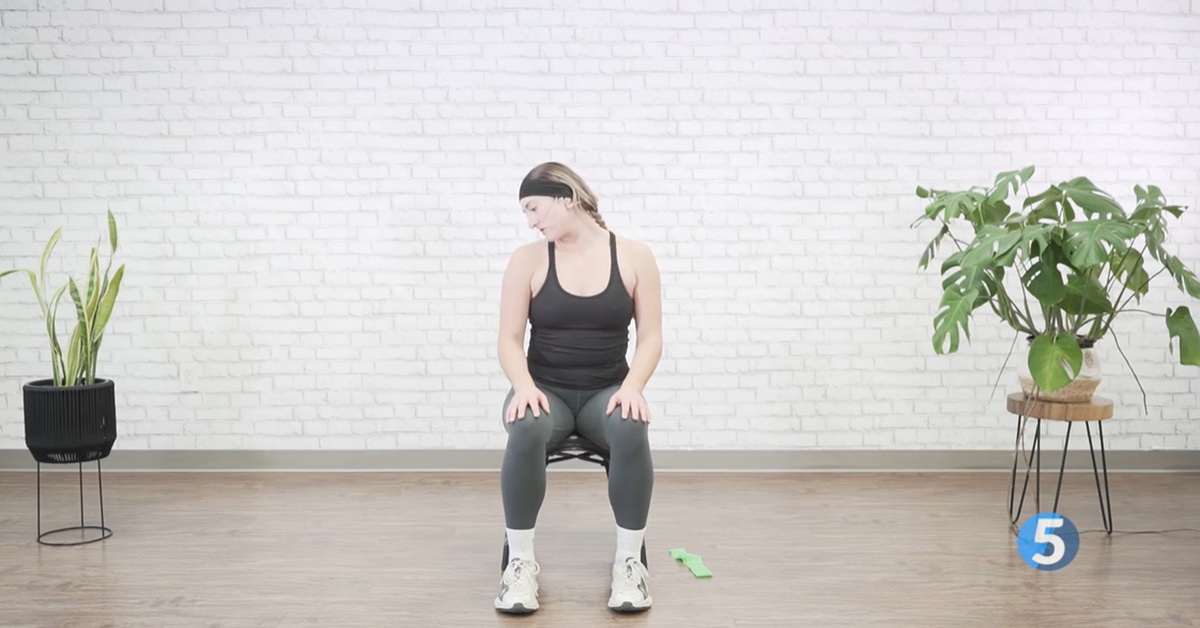
Gently drop your right ear to your right shoulder, roll slowly to the front, then to the left. Avoid rolling backward. This relieves tension in the neck and upper back — a common issue for seniors who sit for long periods.
How Often Should Seniors Do Low Impact Workouts?
Aim for 3–5 sessions per week, 20–45 minutes each. You don’t need to do every exercise every session — mix and match based on how your body feels. Consistency matters far more than intensity at this stage of life.
If you’re just getting started, two sessions per week is a perfectly reasonable baseline. The goal is to build a habit, not to exhaust yourself.
Signs You’re Doing It Right
Mild muscle fatigue after the workout — not joint pain
Energy levels improve over days and weeks
Daily activities (climbing stairs, carrying groceries) feel easier
Sleep improves
Signs to Back Off
Sharp or shooting joint pain during or after exercise
Swelling or tenderness in any joint the next day
Dizziness or shortness of breath during movement
Always consult your doctor before starting a new exercise program, especially if you have a chronic condition like heart disease, diabetes, or severe arthritis.
Low Impact Doesn’t Mean Low Results
The biggest misconception about low impact exercise is that it’s too easy to make a difference. The truth is, consistent low impact training delivers most of the same benefits as high-impact training — improved strength, better balance, reduced fall risk, and a healthier cardiovascular system — without the wear and tear.
For seniors over 60, low impact is often the smarter choice, not a compromise. Many top physiotherapists now recommend it as the default mode of training for anyone with joint sensitivity or osteoporosis. If you want to see what guided low impact classes look like for seniors, the Better5 All Access Membership gives you a full library of expert-led, senior-safe workouts.
Build Your Weekly Low Impact Workout Plan
Here’s a simple weekly structure you can follow:
Monday: Full circuit from above (20–30 min)
Tuesday: Rest or light walking
Wednesday: Lower body focus — chair squats, heel raises, seated leg extensions
Thursday: Rest or stretching
Friday: Upper body + core — wall push-ups, seated marching, neck rolls
Weekend: Walk, swim, or gentle yoga
You can also mix this with dedicated balance work. The 13 Gentle Balance Exercises for Seniors is a great free resource to pair with this plan.
The Bottom Line on Low Impact Workouts for Seniors
A low impact workout for seniors is one of the smartest investments you can make in your long-term health. It protects your joints, builds real strength, improves balance, and keeps you moving well into your 70s, 80s, and beyond. Start with 2–3 sessions per week, focus on form over speed, and let consistency do the work.
Ready to move better without the pain? Explore the Better5 class library built for seniors like you.