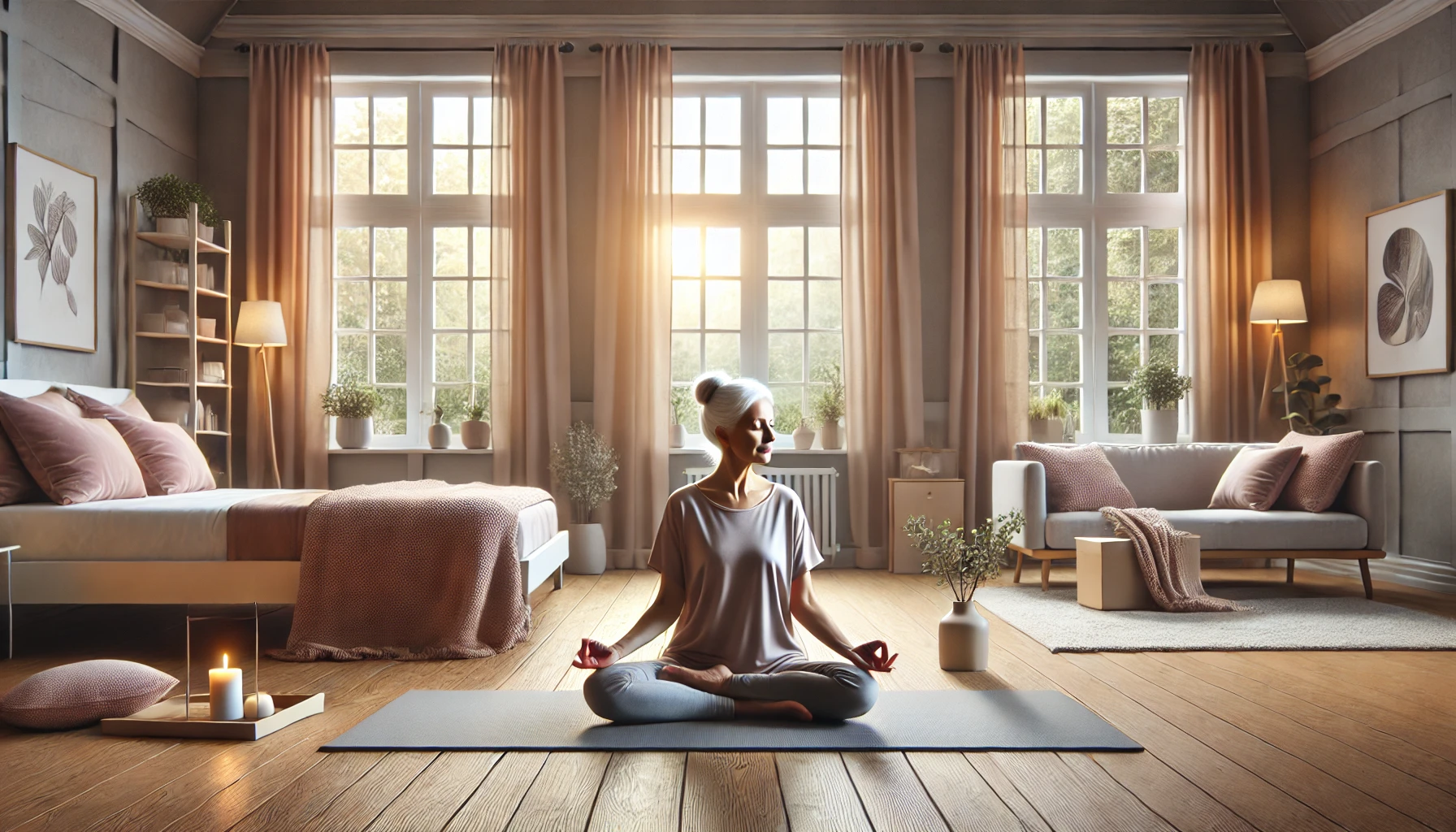
Meditation to Improve Sleep for Seniors: Top Techniques
When you think of meditation to improve sleep for seniors, you might roll your eyes and think, “Yeah, right, like closing my eyes and breathing will magically fix everything.” And honestly, we get it—nobody’s claiming you’ll be out like a light in 30 seconds flat.
But here’s the thing: if you’re finding yourself tossing and turning, counting every creak in the house, or feeling like restful sleep is a distant memory, a few minutes of the right kind of meditation might just be the game-changer you didn’t know you needed.
Forget the usual advice about sleep hygiene—sometimes it’s the simplest, most overlooked habits that make the biggest difference.
Why Seniors Experience Sleep Issues
Aging brings about several changes that can impact sleep quality. From physical discomfort to emotional factors, many seniors find it increasingly difficult to achieve restful sleep. Here are some common reasons:
1. Changes in Sleep Patterns
As we age, our sleep cycles naturally shift, causing seniors to wake up more frequently throughout the night or experience lighter sleep. These changes can leave you feeling less rested.
2. Health Conditions
Seniors are often affected by chronic conditions such as arthritis, sleep apnea, and chronic pain, which can make it hard to stay asleep or find a comfortable sleeping position.
3. Emotional Factors
Anxiety, stress, or feelings of loneliness can also contribute to sleep disturbances. Worries about health, family, or even daily routines can keep the mind active when it’s time to rest.
According to the National Institutes of Health (NIH), these issues are common among older adults, but they don’t have to be permanent. Understanding these challenges can help you better address them, and meditation offers a proven way to manage these issues naturally.
Benefits of Meditation for Sleep
Meditation is a powerful tool for seniors seeking better sleep, as it focuses on calming the mind and body. By practicing meditation regularly, you can create a sense of peace that prepares your body for rest. Here’s how meditation specifically helps seniors sleep better:
1. Reduces Anxiety and Stress
Meditation encourages mindfulness, helping you focus on the present and reduce stress. This calming effect allows your mind to settle, making it easier to fall asleep.
Mindfulness techniques can be especially effective for calming the mind before sleep. If you’re interested in deepening your practice, explore these mindfulness techniques for older adults that are tailored for seniors looking to unwind and relax.
2. Relaxes Muscles
Many meditation practices involve guided body scans, which help release tension in muscles. This is particularly beneficial for seniors who experience chronic pain or stiffness that may keep them awake.
3. Promotes Better Breathing
Techniques like deep breathing exercises improve oxygen flow, helping to calm the nervous system. This supports a natural transition into sleep and promotes overall relaxation.
Research from Harvard Medical School highlights that consistent meditation practice can improve sleep quality by reducing insomnia symptoms and promoting a deeper, more restorative sleep cycle. For seniors, this means feeling more energized and refreshed in the morning.
Simple Meditation Techniques for Seniors
Now that we’ve explored why meditation works, let’s dive into some simple techniques designed specifically for seniors. These practices are easy to follow, require no special equipment, and can be done from the comfort of your chair or bed.
1. Deep Breathing Meditation
How to Do It:
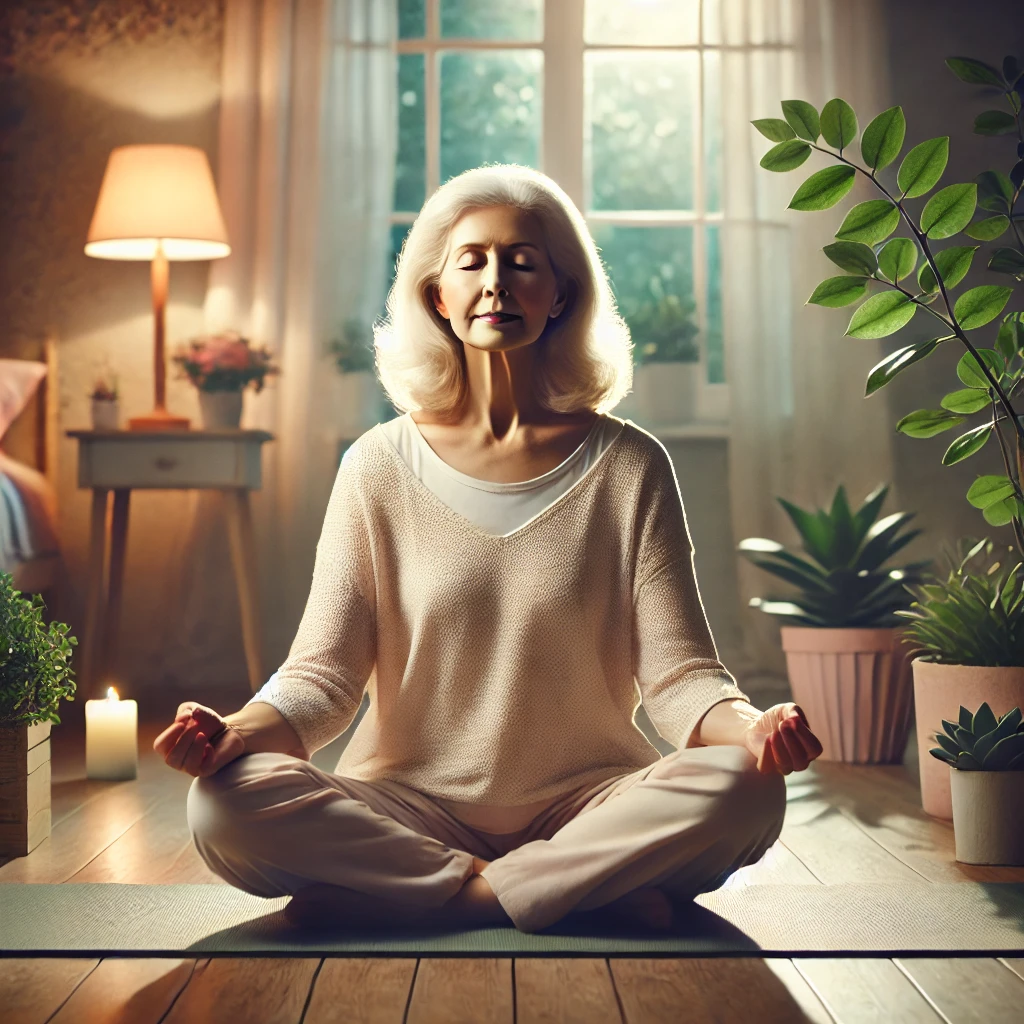
- Find a comfortable position. You can do this seated in a chair, sitting on a yoga mat or lying down—whatever position is most comfortable to you! Place your hands on your lap or rest them by your sides.
- Close your eyes and take a deep breath in through your nose, counting to 4 as you do so.
- Hold your breath for a moment, then slowly exhale through your mouth, also counting to 4.
- Repeat this process for 5-10 minutes, focusing solely on your breath. This technique calms the nervous system and prepares your body for sleep.
For more ways to harness the power of your breath, check out our guide on Breathing Exercises for Seniors. These exercises pair perfectly with meditation to enhance relaxation.
2. Guided Imagery
How to Do It:
- Sit comfortably and close your eyes. Imagine yourself in a peaceful place, like a quiet beach or a blooming garden.
- Picture every detail: the sound of the waves, the warmth of the sun, or the scent of flowers. Immerse yourself fully in this environment.
- Spend 10-15 minutes visualizing this scene, allowing the peaceful imagery to relax your mind and body. Guided imagery helps distract the mind from worries, making it easier to drift off.
- It’s important that you really immerse yourself in this technique & truly try to visualize every single detail—this intense focus is what leads to everything else falling away, allowing you to relax and find peace.
3. Body Scan Meditation
How to Do It:
- Lie down comfortably on your back with your arms resting by your sides. Close your eyes and take a deep breath.
- Start focusing on your toes, noticing any sensations like warmth, tension, or relaxation. Slowly move your attention up through your legs, abdomen, chest, arms, and finally your head.
- Take your time, spending a few seconds on each body part. This technique helps release muscle tension, allowing you to feel completely relaxed and ready for sleep.
Tips for Integrating Meditation into a Daily Routine
Creating a consistent meditation routine is key to experiencing its full benefits. Here are some practical tips for incorporating these techniques into your daily life:
1. Create a Relaxing Space
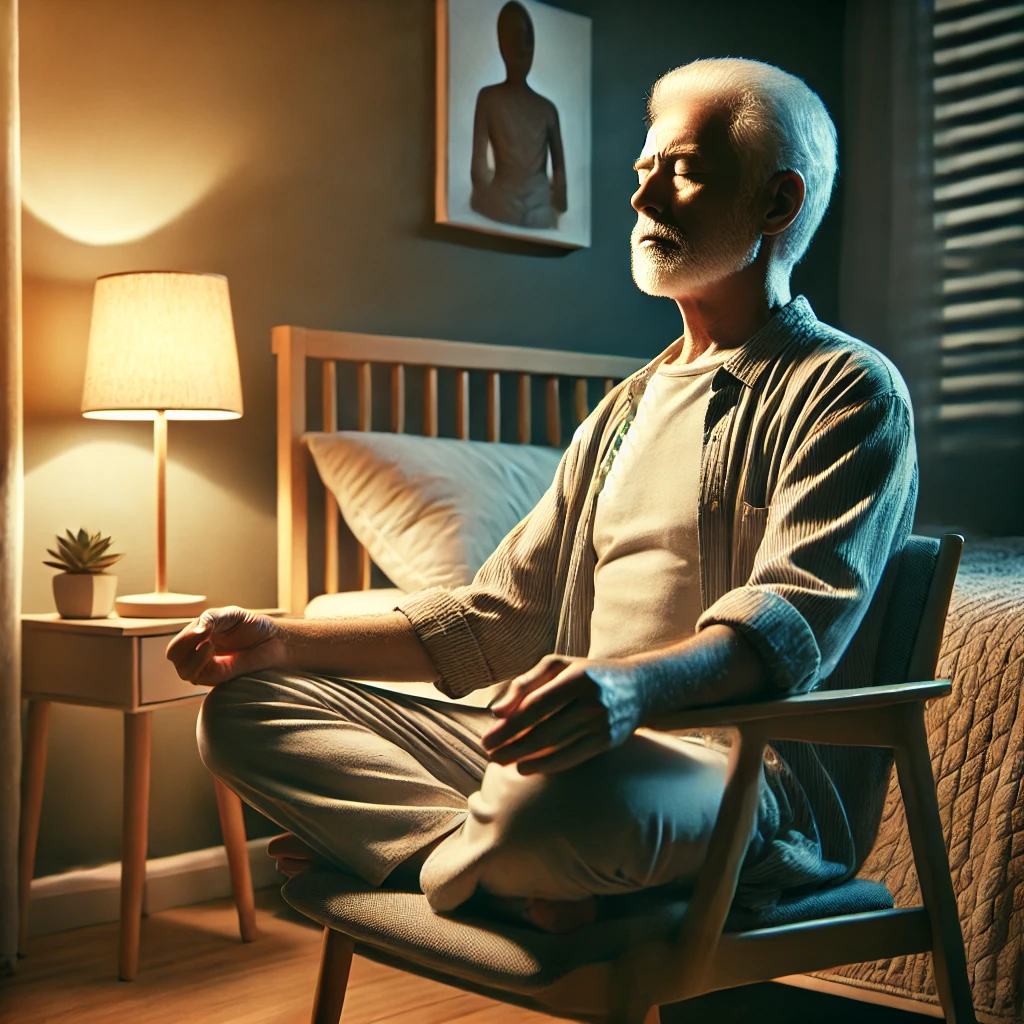
Dedicate a quiet, comfortable area in your home for meditation. This space should be free from distractions and filled with things that promote relaxation, like soft lighting or a cozy blanket.

2. Set a Regular Time
Consistency is important for meditation. Try practicing before bedtime each night. This routine signals to your body that it’s time to wind down and prepares you for sleep.
3. Start Small
Begin with just 5-minute sessions and gradually increase the duration as you become more comfortable and can hold your focus for longer periods. (Also go easy on yourself if you do find your mind wanders. Simply note that it’s wandered and bring it back to your meditation.) Short sessions make it easier to build a habit without feeling overwhelmed.
4. Pair with Evening Activities
Combine meditation with other relaxing activities like reading or gentle stretching. This holistic approach enhances the relaxing effects and makes it easier to integrate meditation into your routine.
For a well-rounded routine, try pairing meditation with some seated yoga poses for better sleep. Combining these gentle stretches with meditation can further enhance relaxation and prepare your body for restful sleep.
By following these tips, you can develop a meditation habit that not only improves sleep but also enhances your overall well-being.
Ready for Better Sleep? Start Your Meditation Journey Today
Ready to see if meditation can finally help you get the rest you deserve?
Give it a shot tonight—your sleep (and your well-rested self) might just thank you for it.
At the end of the day, no one likes staring at the ceiling, wishing for sleep that seems to play hard-to-get. The truth is, making a habit out of meditation to improve sleep for seniors isn’t about perfection—it’s about finding those small, quiet moments where you reset your mind and let go. So, if you’re tired of sleepless nights and ready for a change, why not try something that’s simple, effective, and feels tailor-made just for you?