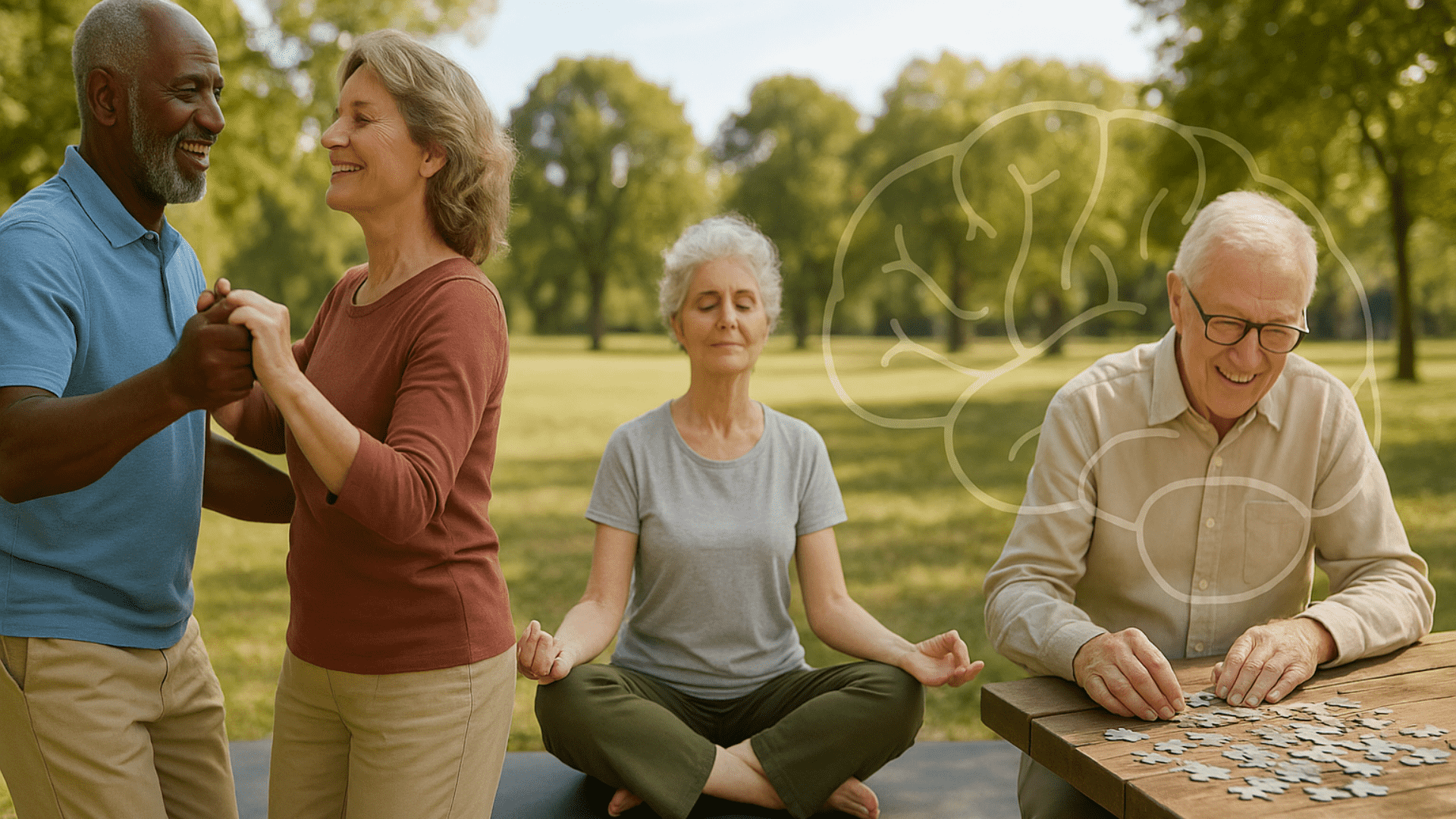
Memory & Brain Health Exercises That Keep Seniors Sharp
Staying mentally sharp matters at every stage of life. In your senior years, being mentally alert is as important as ever. Fortunately, there are many memory and brain health exercises that can support this need as you grow older. These activities fit easily into your day and do not require special equipment. With a little consistency, these exercises can help you feel more confident and engaged.
Why Memory & Brain Health Matter More After 60
Understanding what happens to the brain after 60 can help you make smarter choices about staying mentally sharp. Let’s look at the key facts every senior should know.
Age-Related Brain Changes May Become More Noticeable
As people move past 60, the brain may begin to process information more slowly. You might find it harder to recall names, dates, or recent conversations. These changes are a part of normal aging, but they make brain health exercises more valuable for maintaining sharpness.
Adding Layers of Mental Strength
Your brain benefits when you keep learning and exploring new activities. Cognitive reserve—the brain’s ability to improvise and find different ways to complete tasks when usual pathways are slowed or damaged—becomes even more important in your senior years.
Harvard researchers describe it as mental flexibility built over a lifetime of learning and engagement. According to Harvard Health Publishing, certain habits can help strengthen this reserve. Eating a diet rich in plants, staying physically active, and keeping your mind engaged with new challenges all play an important role in maintaining mental agility as you age.
Mental Sharpness Affects Lifelong Independence
Your cognitive abilities directly impact your ability to live independently. Exercise and physical activity interventions for older adults may help ameliorate age-related deficits in cognitive functioning. Strong memory and thinking skills help you manage medications, navigate safely, and make important decisions with confidence.
Starting Now Gives You the Best Advantage
Some people in their 80s and beyond defy the common assumption that cognitive decline goes hand in hand with aging. These seniors are called cognitive super agers.
According to the Mesulam Institute for Cognitive Neurology & Alzheimer’s Disease, the term refers to adults over age 80 who have memory abilities at least at the level of individuals 20-30 years younger.
Another Northwestern University research shows super agers have more von Economo neurons – brain cells linked to social intelligence. This connection between brain health and social engagement explains why games and activities that help seniors socialize can be important in improving brain health.
Simple Memory & Brain Health Exercises You Can Do Daily
Everyday habits hold more potential than you think. A few minutes spent on the right activities can do a lot for your memory and focus.

Puzzles
Solving crosswords, Sudoku, or jigsaw puzzles challenges memory, attention, and problem-solving skills all at once. These activities encourage the brain to form new connections, which supports cognitive flexibility. Regular puzzle-solving also helps improve your ability to focus for longer periods.
The beauty of puzzles lies in their variety.
- Crosswords test your vocabulary and general knowledge.
- Sudoku sharpens logical thinking and pattern recognition.
- Jigsaw puzzles enhance visual-spatial skills and patience.
Begin with shorter puzzles that feel manageable. A 100-piece jigsaw or a daily crossword is enough to start. Keep puzzle books handy on your coffee table, or download a free app for convenience.
Aim for 10–15 minutes a day, then gradually increase both the time spent and difficulty level as you improve. Don’t worry about finishing quickly, as the mental exercise happens during the process.
Dancing
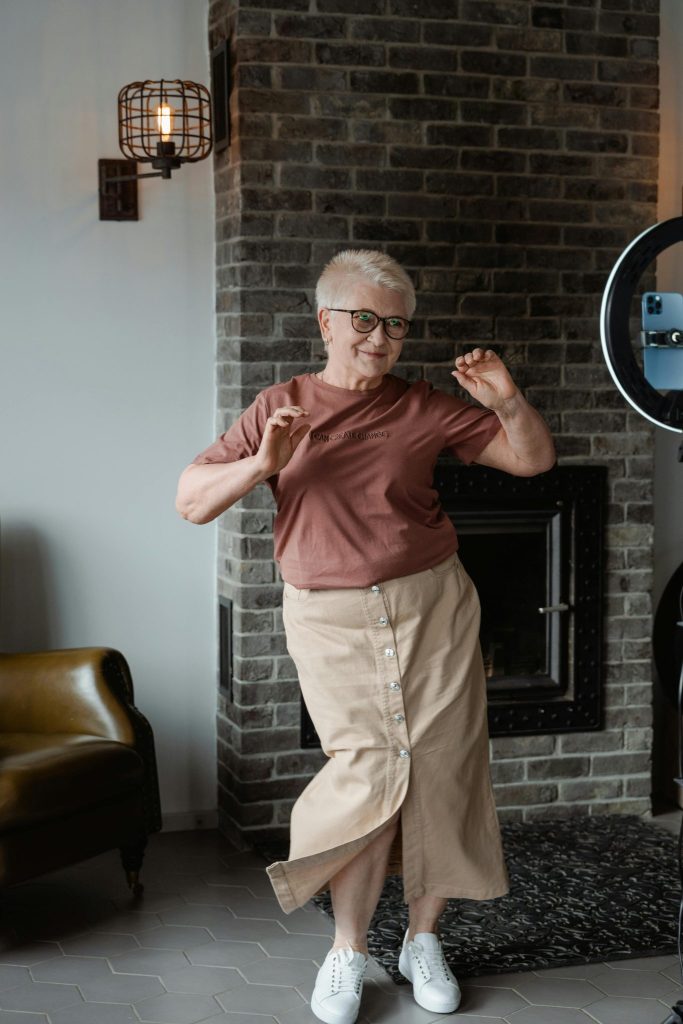
Dance strengthens memory and improves brain health by requiring you to recall steps while staying in rhythm. Your brain needs to coordinate movement patterns, timing, and spatial awareness. It also improves balance and coordination, which adds significant physical health benefits to the mental workout.
What makes dancing especially powerful is its combination of physical and cognitive demands. You’re moving, remembering sequences, anticipating beats, and adjusting your movements in real time. It can also be a tool for socializing, as it can be done in groups.
Pick music you genuinely enjoy and dance at home for 10 minutes. Start with simple movements like swaying or stepping side to side. If you want more structure, follow a beginner-friendly online video. Better5’s 5 Easy Dance Classes for Healthy Movement Digital Class provides you with the guidance you need.
Meditation
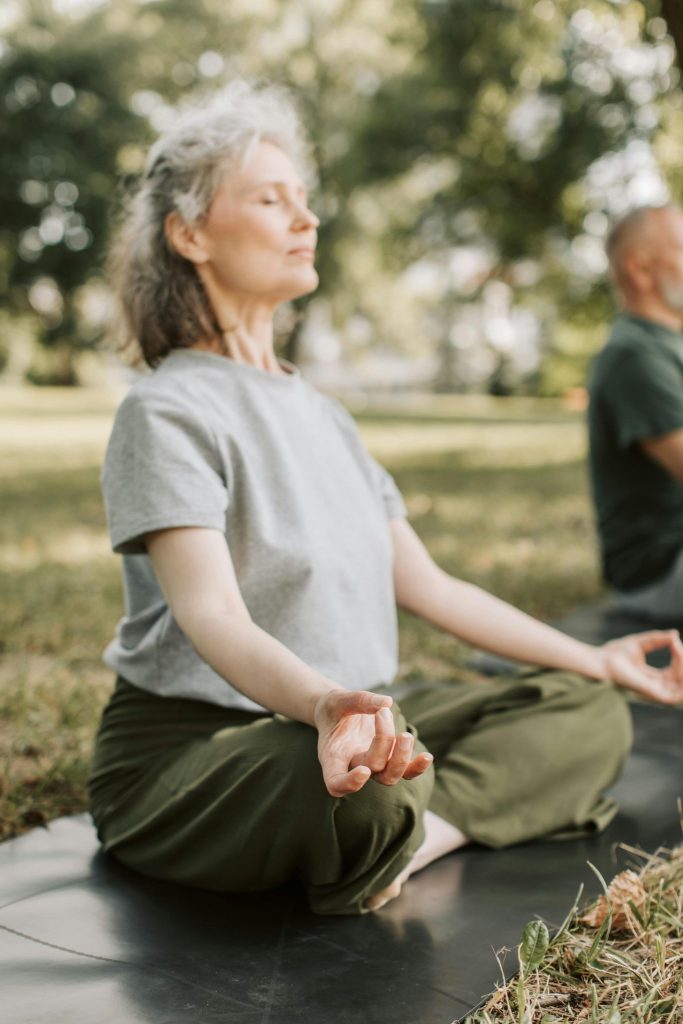
Mindfulness practices reduce stress, which directly protects brain health. Chronic stress releases hormones that can damage memory centers in the brain. Research has shown that mindfulness-based therapy can be effective for reducing stress and anxiety.
Set a timer for five minutes to start. Sit comfortably in a quiet place and breathe deeply, focusing entirely on the inhale and exhale. When your mind inevitably wanders – and it will – gently bring your attention back to your breath without judgment. This “noticing and returning” is actually the exercise. Gradually increase your practice to 10–15 minutes as it becomes more comfortable.
Tai Chi
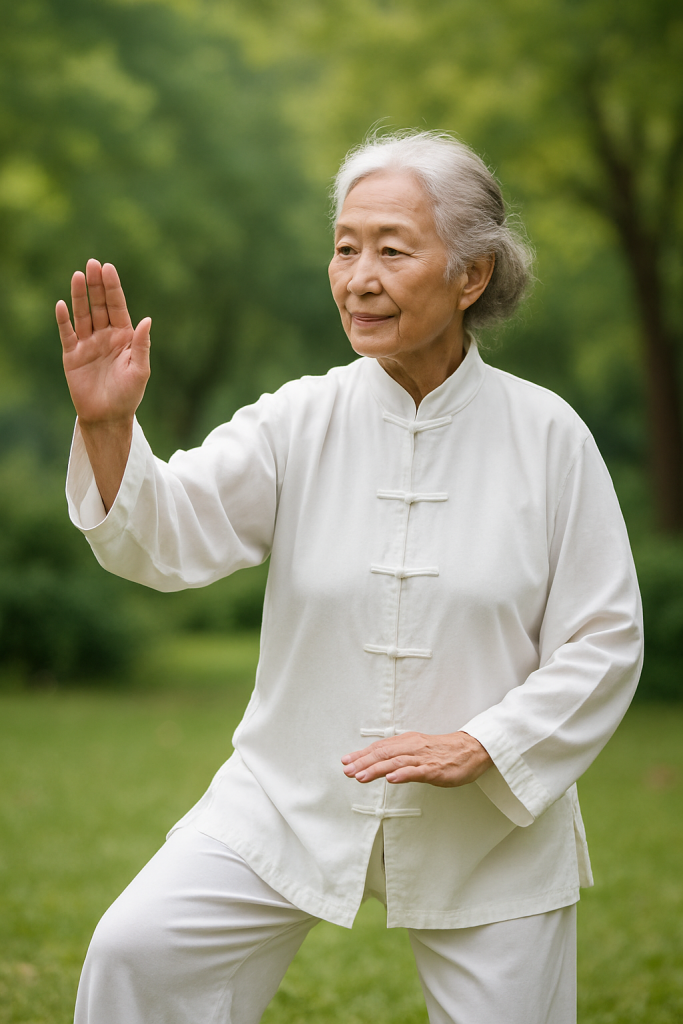
This gentle martial art combines physical movement with mental focus in a uniquely beneficial way. It’s especially helpful for older adults because it’s low-impact yet highly effective for brain health.
Tai chi requires you to memorize flowing sequences of movements while maintaining proper posture and breathing. This mental juggling act can strengthen the connections between different brain regions. The slow, controlled movements also improve body awareness and confidence.
Start with short 15-20 minute sessions two to three times a week in a safe, open space. Focus on learning one or two basic movements well rather than rushing through complicated routines.
Start with Better5’s free Beginner Tai Chi for Body & MInd Beginner Tai Chi for Body & Mind Health Day 1
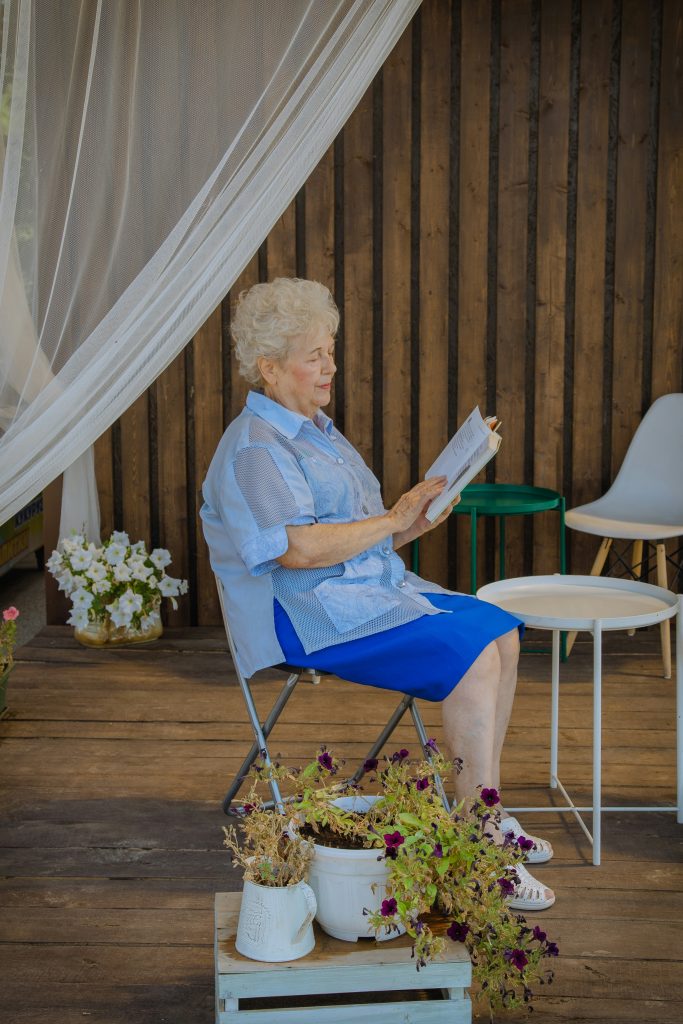
Language & Word Play
Learning new words or a new language as a senior can improve your cognitive health. It challenges the brain to store, organize, and retrieve information in complex ways, which builds cognitive reserve. This type of learning also keeps your mind engaged with the world around you.
Start small but stay consistent. Learn one new word daily and write it down in a dedicated notebook along with its definition. Use flashcards to test yourself throughout the week, or download a user-friendly language app like Duolingo. If you enjoy reading, try short articles or children’s books in your target language. The key is regular practice, even if it’s just five minutes a day.
Wrap Up
Start your memory and brain health rejuvenation with something fun. The Nifty 50’s Dance Workouts Digital Class is a great way to move your body, lift your mood, and sharpen your mind.
Memory and brain health matter at every age, but they become especially important as you grow older. The memory and brain health exercises you’ve seen here are not complicated, yet they can make a difference when practiced consistently. By combining mental challenges, movement, and mindful habits, you give yourself the best chance to stay engaged and confident in daily life.