
Senior Wellness Programs: How to Build One That Lasts
Senior wellness programs are structured routines that combine strength, balance, flexibility, and social connection to help older adults stay independent and feel their best. The most effective senior wellness programs are simple, repeatable, and built around what you can do today, not around a fitness level you had decades ago. If you want a program that actually lasts, you build it in layers and you keep it gentle enough to repeat.
Below is a practical way to design senior wellness programs that fit real life, with the pillars that matter most and the small habits that keep you going.
Why senior wellness programs work
A good program works because it treats the whole person, not just one muscle group. When you train strength, balance, and mobility together, and add social connection on top, each piece reinforces the others. Stronger legs make balance easier. Better balance makes you confident enough to keep moving. Regular movement lifts mood, which keeps you showing up. That loop is the real engine behind lasting wellness, and it is why a scattered, do-it-when-you-feel-like-it approach rarely sticks.
The other reason structured programs win: they remove decision fatigue. You are not guessing what to do each morning. You follow a simple plan, check the box, and move on with your day.
The five pillars of a lasting program
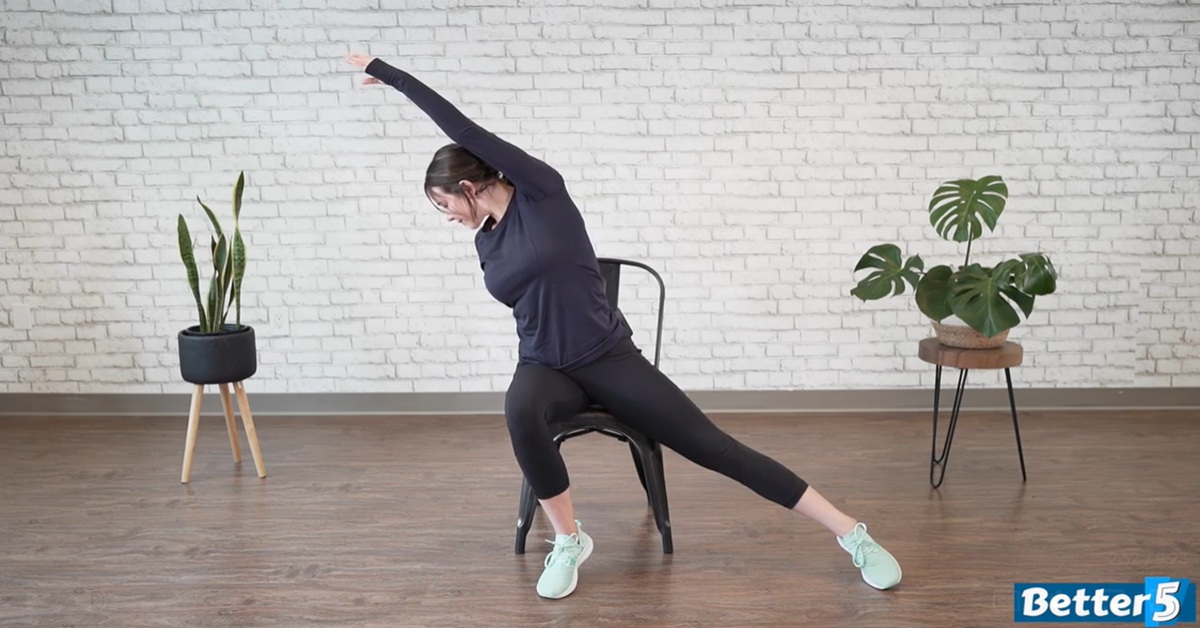
Every strong senior wellness routine covers these five areas. You do not need to hit all five every single day, but over a week they should all show up.
1. Strength
Muscle is the foundation of independence. After 60, we naturally lose muscle each year unless we work to keep it, and that loss is what quietly steals the ability to rise from a chair or lift a grandchild. Two to three short strength sessions a week protect your ability to stand, carry, and climb stairs. Start with bodyweight moves like sit-to-stands and wall push-ups, then add light dumbbells or resistance bands when those feel easy. Keep the reps controlled and the range comfortable. You are not chasing a number on the bar, you are protecting the strength that lets you live on your own terms.
2. Balance
Balance is a skill, and skills fade when you stop practicing. The good news is that it comes back quickly with regular work. A few minutes of daily balance work, standing on one foot near a counter, heel-to-toe walking, gentle weight shifts, pays off fast. Falls are the single biggest threat to independence for older adults, and most of that risk is trainable. If falls are a worry, a focused program like the Better5 Fall Prevention class walks you through safe, progressive drills you can do at home without any equipment. Keep a sturdy chair or counter nearby at first, then reach for it less as you gain confidence.
3. Flexibility and mobility
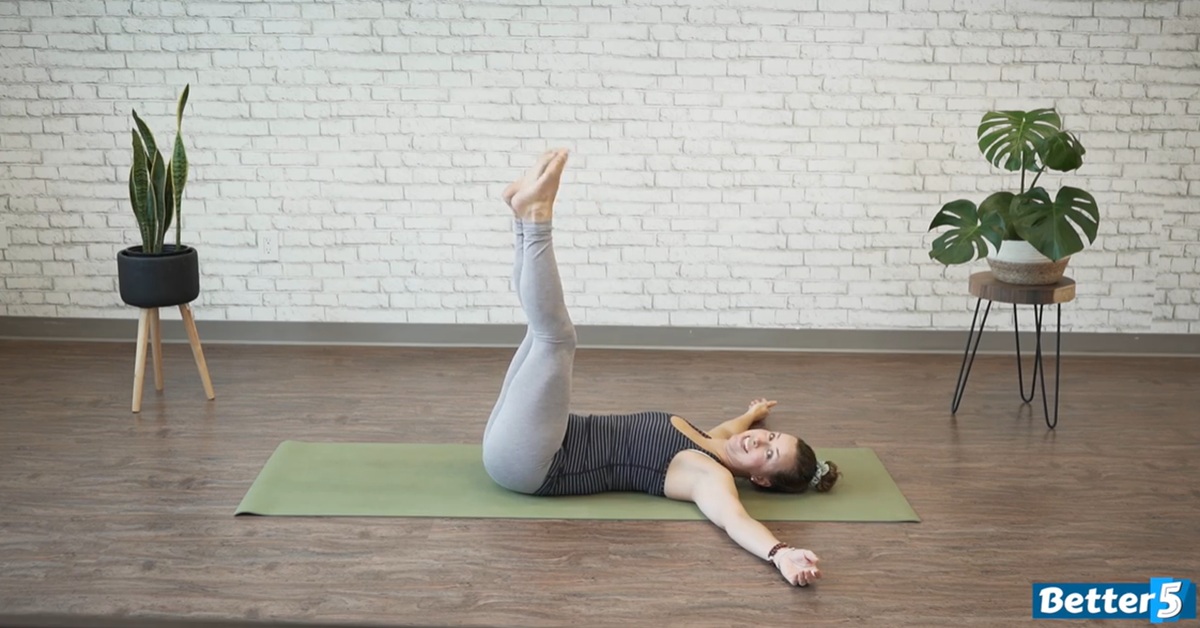
Stiff joints make everything harder, from tying shoes to turning to check a blind spot. Daily gentle stretching keeps you loose and lowers the ache of sitting too long. Ten days of guided movement, like the Better5 Hatha Yoga flexibility class, is a gentle way to build a mobility habit without pushing into pain.
4. Joint care
Knees and hips carry the load as we age, and they respond well to smart, low-impact movement. Seated strength exercises can help build the muscles around the joints while keeping movements gentle and controlled. The Better5 Chair Assisted Joint Renewal for Everyday Movement class uses chair-based exercises to support strength, mobility, and everyday movement, making it a great option for anyone looking for a gentle way to stay active.
5. Core and control
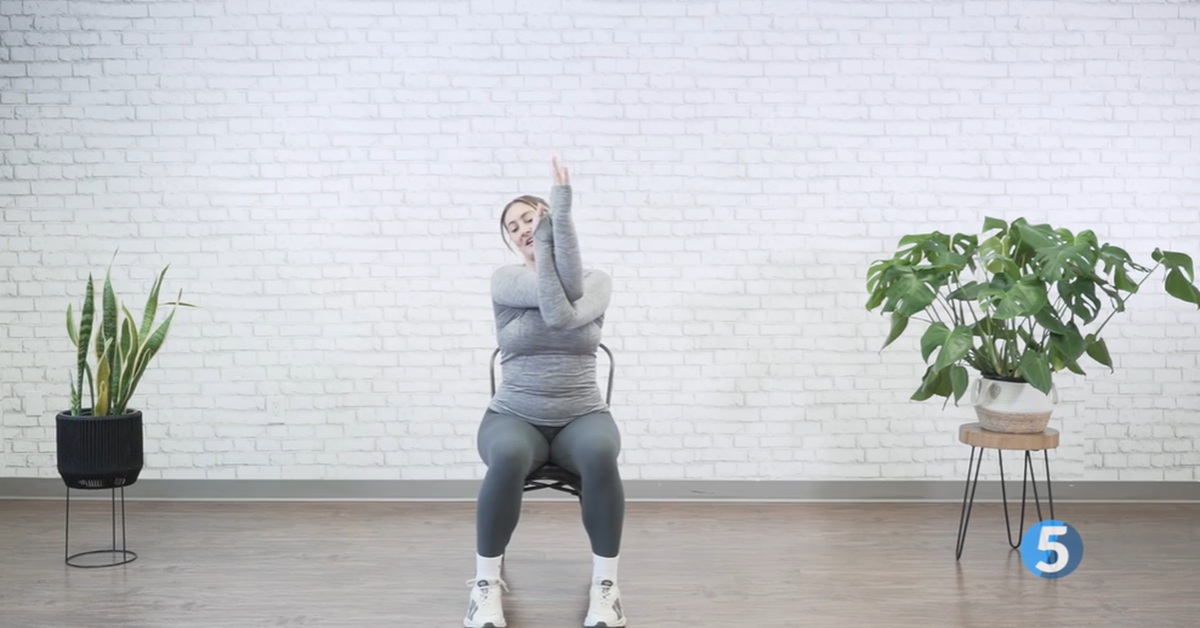
A stable core supports your spine, improves posture, and plays an important role in balance and overall strength. You don’t need floor crunches to work your core. Gentle, controlled seated exercises can help strengthen your core in a simple, manageable way. The Better5 7 Minute Seated Core Strengthening class offers a quick, chair-based workout that makes it easy to fit core strengthening into your day.
How to build your weekly plan
Here is a simple template you can adjust. The goal is consistency, not intensity.
Monday: Strength (20 minutes) plus 5 minutes of balance.
Tuesday: Flexibility and mobility (15 to 20 minutes).
Wednesday: Rest or a gentle walk.
Thursday: Strength (20 minutes) plus core work.
Friday: Balance and joint care (15 minutes).
Saturday: Something social and active: a walk with a friend, a class, or a group session.
Sunday: Rest and gentle stretching.
Notice that no single day is long. Twenty minutes done consistently beats an hour you dread and skip. If a day feels like too much, do half. Showing up in a small way keeps the habit alive.
The piece most programs forget: connection
Physical health is only part of wellness. Loneliness quietly undermines everything else, and staying socially connected keeps motivation high. Build connection right into the plan: exercise with a spouse or friend, join an online class where you see the same faces, or set a standing walk date. When your wellness is tied to people you enjoy, you keep coming back, and that is the whole point.
Connection also gives you gentle accountability. It is easy to skip a workout when no one notices, and much harder when a friend is waiting for you. If you live alone, an online class solves this beautifully: you follow the same instructor, see familiar names, and feel part of something without leaving home. That sense of belonging is a real, measurable part of wellness, not an extra.
Common mistakes to avoid
A few missteps sink otherwise good intentions. Doing too much on day one is the classic one: you feel great, push hard, and end up too sore to move for a week. Start smaller than you think you should. Another trap is training only what you enjoy, all walking and no strength, or all stretching and no balance. Wellness is a balanced diet of movement, so cover every pillar even if some feel less fun. Finally, avoid the all-or-nothing mindset. A five-minute session on a busy day still counts and still keeps the habit alive.
Making it stick
Three habits separate the programs that last from the ones that fizzle out. First, anchor movement to something you already do, stretch while the coffee brews, do balance work while you brush your teeth. Second, track it simply, a checkmark on a calendar is enough. Third, be kind to yourself on the off days. A missed session is not a failure, it is just a day. What matters is the next one. Progress in senior wellness programs is measured in months and years, not in single workouts, so give yourself room to be human.
Start with a program that is already built
You do not have to assemble all of this from scratch. The Better5 All-Access Membership gives you strength, balance, flexibility, and joint-care classes in one place, all designed for older adults and all doable at home. It takes the guesswork out of building senior wellness programs, so you can just press play and follow along.
Wellness at any age comes down to the same thing: small, steady effort across the areas that matter. Build your program in layers, keep it gentle enough to repeat, and add the people you enjoy. Do that, and you have a program that lasts.