Why It’s Never Too Late To Start Exercising For Seniors
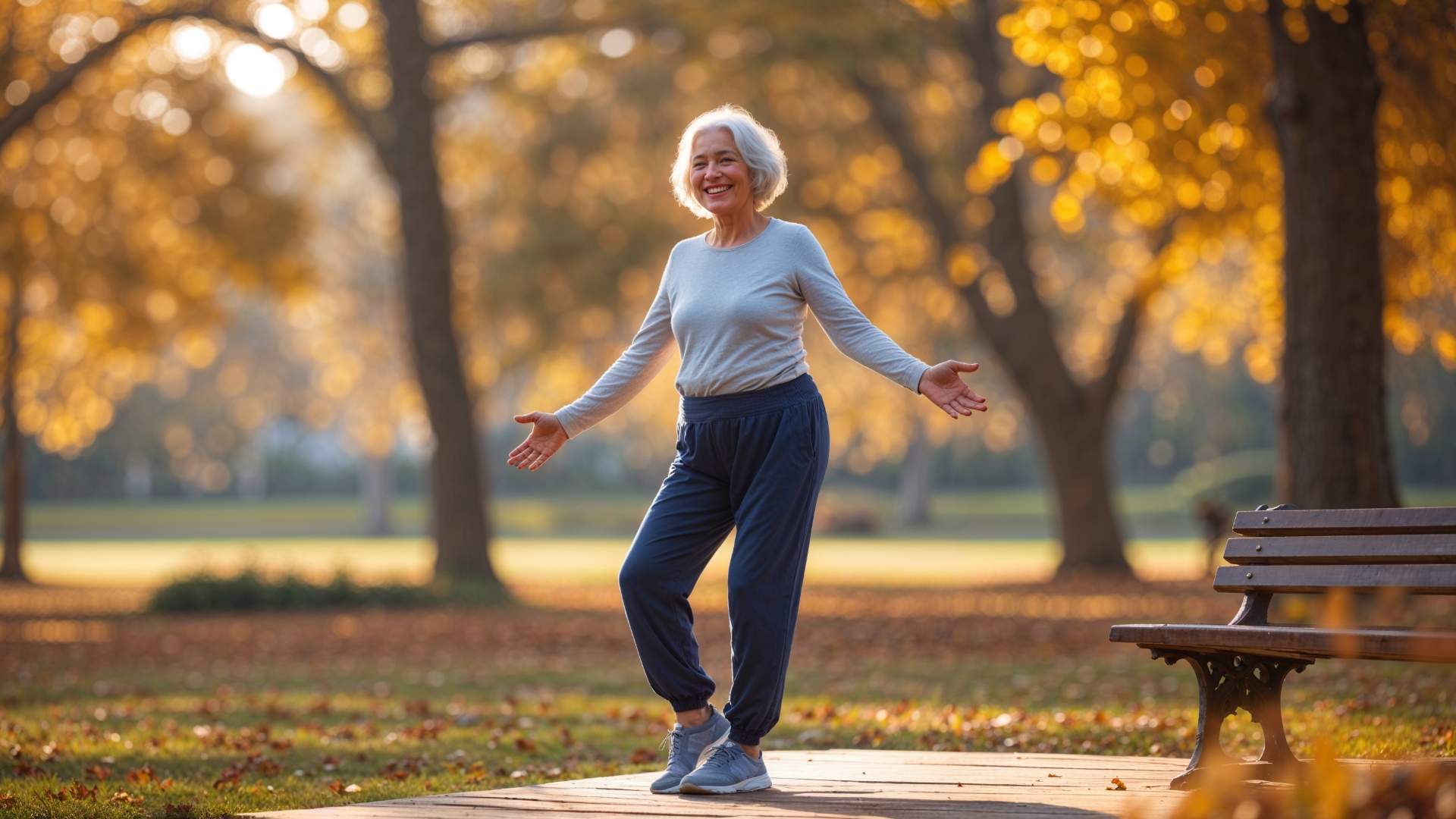
If you’ve heard and read about the many benefits associated with exercising, but still feel reluctant to start because of your age—you’re not alone. This sentiment is common among seniors. Whether you’re in your 60s, 70s, or beyond, moving your body is still very important for adding strength to your muscles, sharpening your mind, and lifting your mood. That’s exactly why it’s never too late to start exercising.
Common Barriers to Exercising & How to Overcome Them
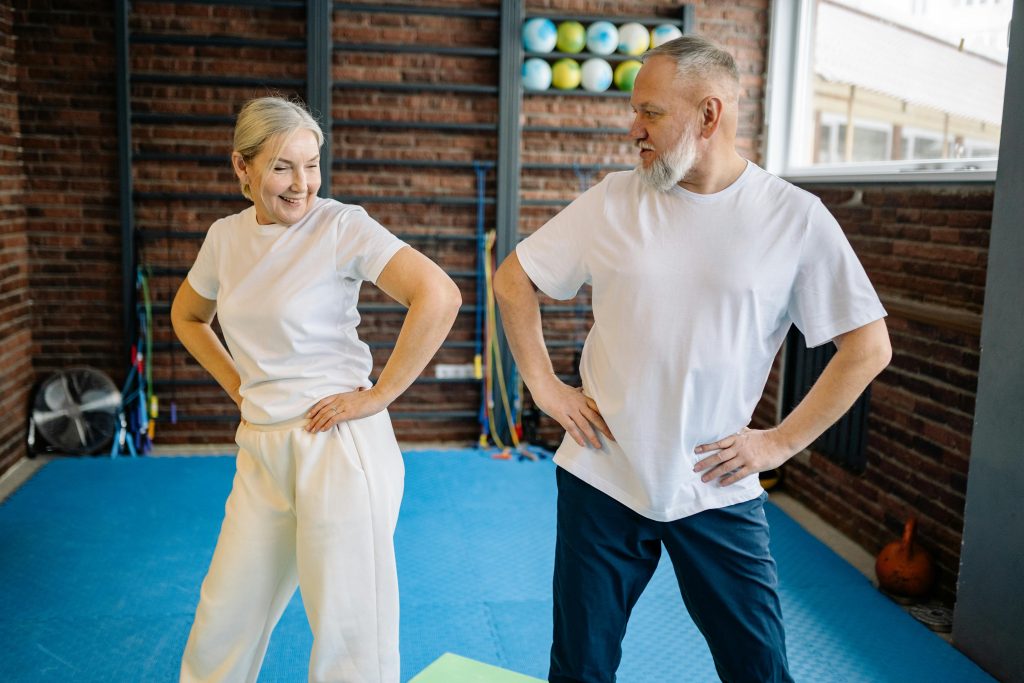
The buts, ifs, and maybes always creep up every step of the way. These quiet doubts often speak louder than the facts. And while they’re completely normal, they don’t have to stop you. With the right mindset and a gentle plan, it’s possible to move past them, one step (or stretch) at a time.
Fear of Injury or Pain
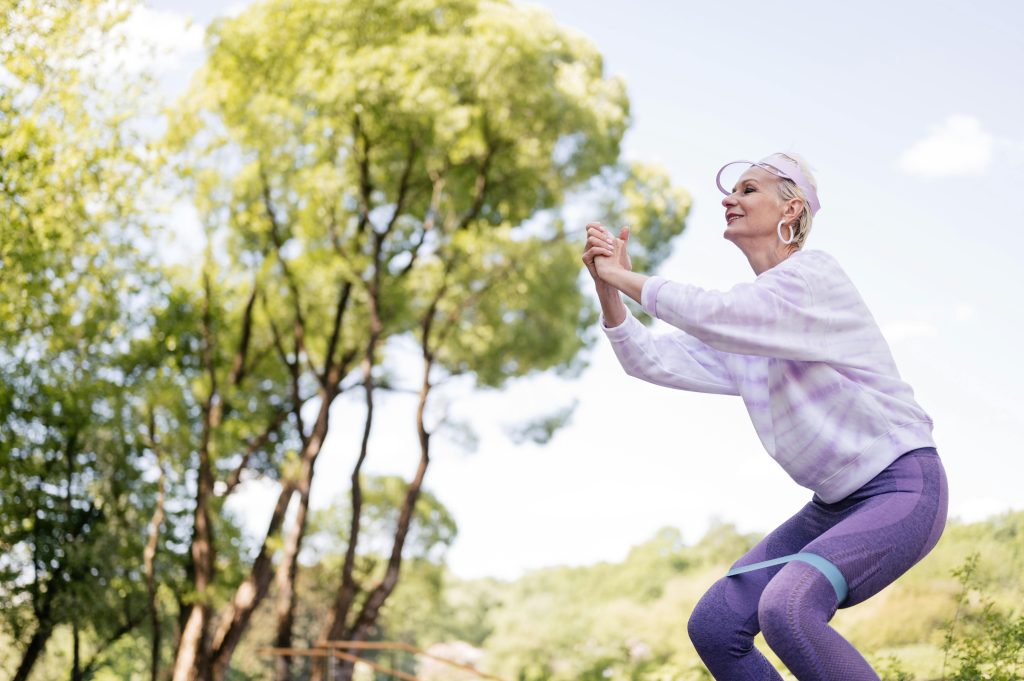
The most common barrier to exercising later in life is the fear of injury & pain. As valid as it is, this worry can be eased with a gentle approach. The key is to start with low-impact movements designed for aging bodies, like seated stretches or slow resistance band routines.
Similarly, understanding that bearing pain doesn’t necessarily make your exercise more effective can help shift your mindset. Discomfort isn’t a requirement for progress; consistency is. When exercises are tailored to your body’s needs, they build your fitness without strain. The goal isn’t to push through pain but to move in a way that feels safe, supported, & sustainable.
Lack of Time or Motivation
One of the biggest barriers is the lack of time or motivation. Daily routines can feel packed enough as they are, and adding exercise might seem overwhelming (especially if you don’t really want to do it.) But staying active doesn’t have to mean setting aside an hour or going to a gym. Just 10 to 15 minutes of movement—done consistently—can make a noticeable difference. Motivation often follows action, not the other way around.
Accessibility Concerns
If the first thing that comes to mind when you think of exercising is a gym packed with loud music, complex machines, or high-energy classes, it’s easy to feel like it isn’t for you. But exercise doesn’t have to look that way, especially not for older adults.
Today, there are countless of easy ways to stay active from the comfort of your home. Chair-based workouts, virtual classes tailored for seniors, and simple equipment like resistance bands make exercising more approachable than ever. With the right setup, your living room can become a safe & accessible space to work out as a senior.
Benefits of Starting Exercise Later in Life
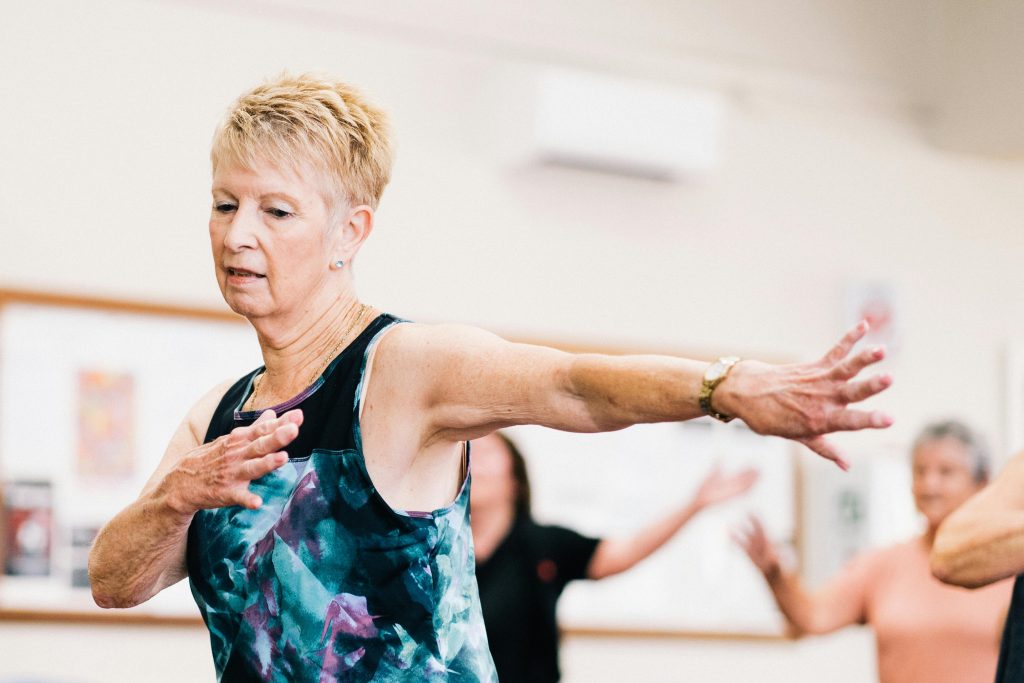
With the barriers stopping you from taking up exercising cleared, let’s assess the benefits you stand to gain when you start working out.
Improves What Your Body Is Physically Capable Of
The physical health gains of exercising are immense. From helping you rebuild bone density to strengthening muscles for better day-to-day function, regular movement supports almost every system in the body. It improves balance, lowers the risk of falls, and helps manage chronic conditions like arthritis and high blood pressure. The biggest benefit of all is that it makes the simple things easy and pain-free again. Like walking, taking stairs, getting up from the chair or even carrying groceries.
Boosts Your Mental & Cognitive Health
In addition to making you feel physically sharper, regular exercise improves mental and cognitive functions in seniors. Exercising has been shown to improve episodic memory, focus, and the ability to plan or make decisions—skills that tend to decline with age.
Even simple, low-impact routines have been linked to better attention span and clearer thinking. Over time, staying active supports brain health just as much as it does the body. For instance, a study of men aged 71 to 93 found that those who were sedentary or walked less than a quarter mile daily were nearly twice as likely to develop dementia or Alzheimer’s disease compared to those who walked more than two miles a day.
Enhances Your Quality of Life—Often Dramatically
Better sleep, more energy, increased independence, & social engagement aren’t just nice bonuses; they’re essential to living well as you age. Regular movement helps regulate your sleep patterns, so you rest better and feel more alert during the day. Physical activity also boosts your energy levels, making daily tasks easier and more enjoyable. As your strength and balance improve, so does your ability to move confidently and maintain your independence. And whether it’s a virtual class or a walk with friends, exercise offers social moments that lift your mood and help you stay connected.
Tips for Safe & Effective Workouts
- Proper form over intensity: Focus on doing each movement correctly rather than pushing for speed or intensity. Good form helps prevent injury and ensures you’re targeting the right muscles. It’s better to go slow and steady than to risk a setback by doing too much too soon.
- Track progress: Keeping track of your activity can help you see how far you’ve come. Even small wins, like adding an extra rep or walking for a few more minutes, deserve to be celebrated. This builds motivation over time.
- Get medical clearance first: Always consult your doctor before starting a new exercise routine, especially if you have existing health conditions. Stop immediately if you feel dizzy, short of breath, or experience sharp pain.
- Build habits: Try to tie exercise into your daily routine, like stretching right after breakfast or walking after lunch. Using reminders, like alarms or sticky notes, helps make movement a regular part of your day.

Wrapping Up
As you can see, the notion that it’s ever “too late” to embrace exercise is simply untrue. The remarkable adaptability of your body means that positive changes are always within reach, and the benefits are too significant to ignore. Now that you know why it’s never too late to start exercising, will you be ready to take the first step toward a stronger, healthier you?
The Fit and Fabulous Over 55 Digital Class is the perfect way to start your fitness journey with simple, low-intensity movements that are easy on the body while providing lasting health benefits.