
Winter Workouts For Seniors: Stay Moving During The Cold
The first snowfall looks beautiful from your window, but it can quickly turn your usual walking path into a slippery hazard. With shorter days and colder temperatures, staying active becomes more challenging. That’s why Winter workouts for seniors take a little extra planning to stay safe and effective.
You might miss your outdoor routine or feel less motivated when the sun sets early. That’s normal. The good news is you can protect your strength, maintain balance, and keep your independence through the season with small adjustments.
You’ll find practical tips and routines that help you stay moving confidently, whether you prefer exercising at home or heading outside safely.
Why Winter Workouts For Seniors Are Important
Movement Protects Your Muscle Strength
Winter tends to slow people down. Cold weather keeps you indoors more, and shorter days mean less outdoor activity. That combination can affect your muscle health faster than you might expect.
This is because muscle mass naturally decreases with age. When you add reduced winter activity on top of that natural decline, the effect tends to accelerate.
Research shows that just 10 days of reduced activity can lead to muscle loss equivalent to seven years of age-related decline. That’s why regular winter activity can help protect what you’ve built.
Consistent Activity Reduces Fall Risk
Falls are the leading cause of injury for adults 65 and older. Winter conditions make this risk worse in two ways. First, icy walkways create obvious hazards outdoors. Less obvious is what happens when reduced activity weakens your balance and coordination. Muscles that support stability need regular use to stay responsive. When you move less, those stabilizing muscles lose strength.
That’s where exercise helps. Regular movement can help maintain the balance and leg strength that protect you from falls. Even simple activities like standing on one leg can support your stability through the season.
Winter Workouts Keep Your Joints Mobile
Gentle, regular movement helps keep your joints mobile through winter. Workouts promote circulation and can reduce stiffness, which becomes especially important when cold weather naturally affects how your body moves.
When temperatures drop, the synovial fluid that lubricates your joints thickens, making movement feel stiffer. At the same time, blood flow slows to your extremities, which can increase discomfort in your hands, knees, and hips. This is why consistent movement matters. Exercising can help counter these seasonal effects because movement can help raise body temperature and improve circulation. Warm muscles move with less stiffness.
Staying Active Supports Your Mood
Reduced sunlight in winter disrupts your body’s internal clock and can lower serotonin levels, a chemical that helps regulate mood. When you combine this biological shift with less outdoor time and fewer social interactions, winter months can trigger the winter blues or feelings of isolation. This is especially common among seniors who live alone.
Physical activity offers a practical counter to these effects. Exercise releases endorphins, which are natural mood boosters.
In practice, even a short walk or gentle stretching session can help lift your spirits when daylight feels scarce. Regular movement also creates structure in your day. It gives you something to look forward to and helps maintain your energy when winter feels long.
Winter Workout Safety Essentials
- Dress in layers. A warm base layer, a soft middle layer, and a windproof outer layer help your body hold heat. Covering hands, ears, and toes protects areas that lose warmth fastest.
- Choose shoes with strong traction so your footing stays steady on ice or packed snow.
- Use a walking stick or trekking pole so each step gains extra ground contact for steadier movement outdoors.
- Warm up longer so cold muscles gain enough temperature for smoother movement and less stiffness.
- Drink water before and after sessions so the winter air indoors and outdoors does not dry your body out.
- For outdoor activity, check light conditions so shorter days do not reduce your ability to see your path.
- Keep a sturdy chair or countertop nearby so balance work feels supported and strain stays lower.
- Stop a session if you notice dizziness, numb fingers, or chest pressure.
Indoor Winter Workouts You Can Do at Home
You don’t need a gym membership or expensive equipment to stay active through winter. These exercises focus on three key areas: strength, balance, and flexibility.
Strength Exercises
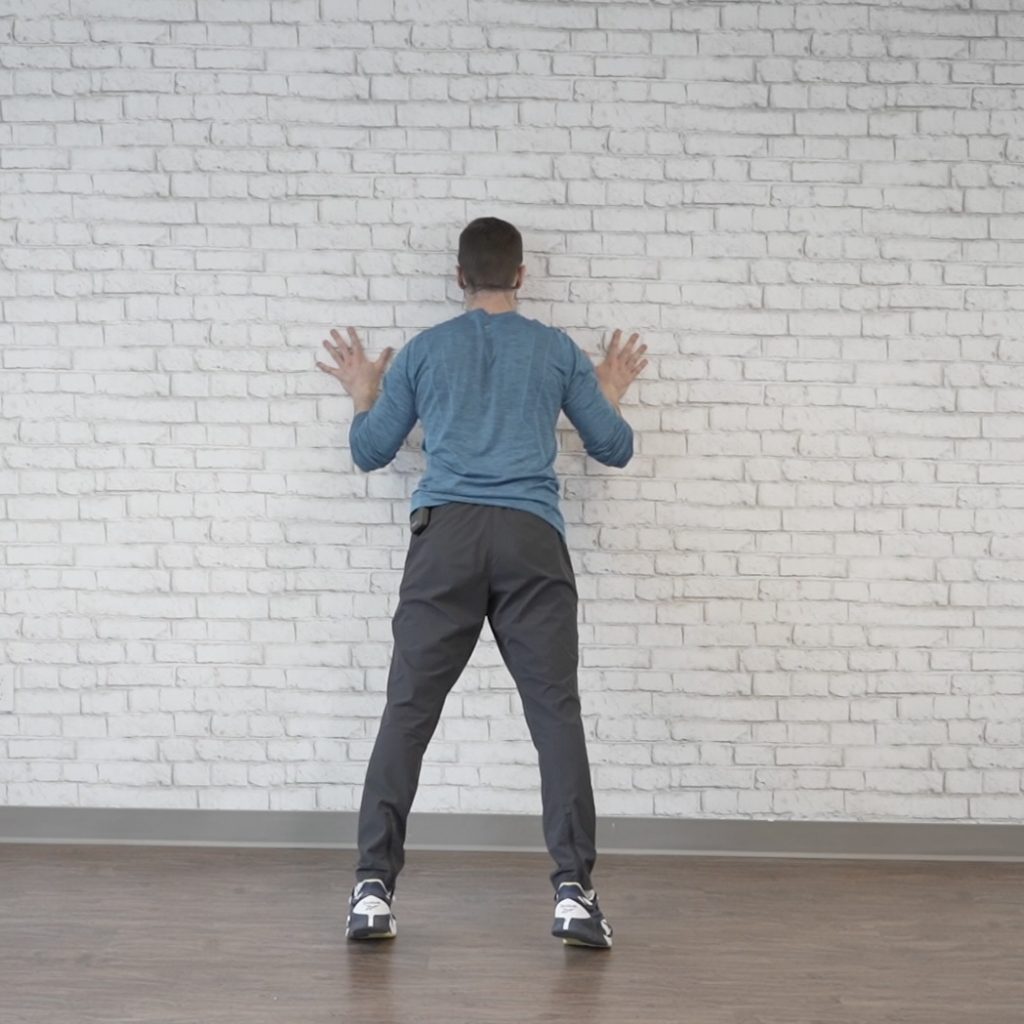
Wall Push-Ups
How to:
- Stand facing a wall at arm’s length.
- Place your palms flat against the wall at shoulder height and width.
- Keep your feet planted and your body straight.
- Bend your elbows to bring your chest toward the wall.
- Push back to the starting position.
Goal: 2 sets of 8-12 reps
Chair Squats
How to:
- Stand in front of a sturdy chair with your feet hip-width apart.
- Lower yourself slowly as if sitting down, letting your bottom barely touch the chair seat.
- Pause for a moment.
- Push through your heels to stand back up.
Goal: 2 sets of 10-12 reps

Overhead Press with Water Bottles or Dumbbells
How to:
- Sit or stand with a water bottle in each hand.
- Start with the bottles at shoulder height, palms facing forward.
- Press both bottles straight up overhead until your arms are fully extended.
- Lower back to shoulder height with control.
Goal: 2 sets of 10-12 reps
Balance Exercises
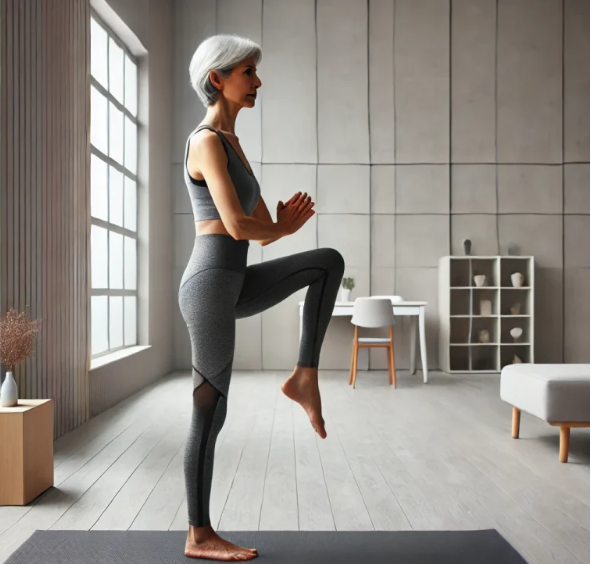
Single-Leg Stands
How to:
- Stand next to a counter or sturdy chair for support.
- Lift your right foot a few inches off the ground.
- Hold this position while keeping your standing leg slightly bent.
- Switch legs after completing the hold time.
Goal: Hold 20-30 seconds per leg
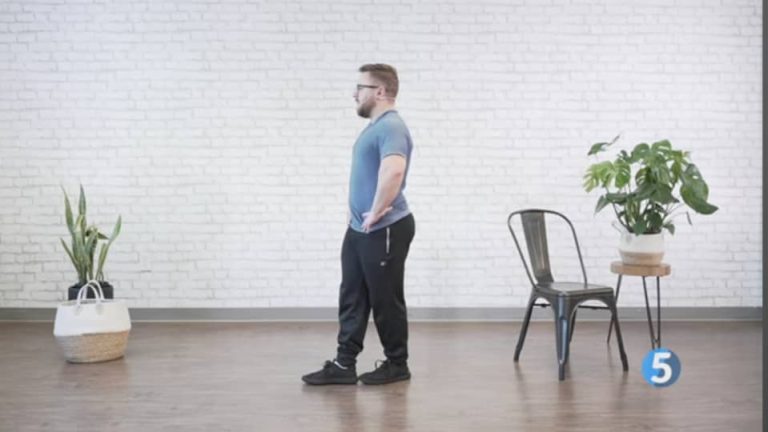
Heel-to-Toe Walk
How to:
- Stand near a wall or counter you can touch if needed.
- Place your right foot directly in front of your left foot, with the heel of your right foot touching the toes of your left.
- Continue walking forward in this straight line for 10-15 steps.
Goal: 10-15 steps forward, 2-3 rounds
Flexibility Exercises

Seated Forward Fold
How to:
- Sit near the front edge of a sturdy chair with your feet flat on the floor.
- Keep your spine long and hinge forward at your hips.
- Reach your hands toward your shins or the floor.
- Hold the stretch without bouncing.
Goal: Hold 20-30 seconds, repeat 2-3 times
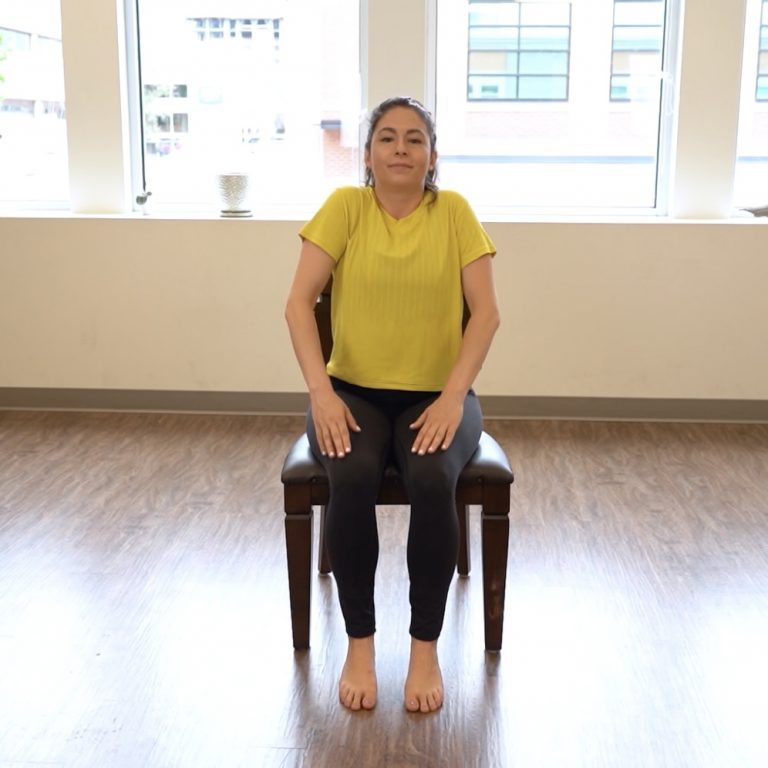
Shoulder Rolls
How to:
- Sit or stand with your arms relaxed at your sides.
- Roll your shoulders up toward your ears, back, and down in a smooth circle.
- Complete 5-8 circles, then reverse direction.
Goal: Perform 5-8 reps each direction, 2 sets
Staying Active Through Winter Is Possible
When sidewalks are icy or mornings feel too chilly, the Better5 7-Day Indoor Walking Workout offers a warm, reliable way to keep moving.
Safe clothing choices and simple at-home routines make activity easier this time of year. The winter workouts for seniors routine above complements this by giving you comfortable indoor options whenever the weather gets in the way.