
Best Memory Games For Seniors To Enhance Cognitive Health
For many seniors, forgetfulness can become an unwelcome part of daily life. That’s why memory games for seniors are essential—they help improve cognitive function while offering an enjoyable way to stay mentally sharp. These games stimulate the mind, enhance recall & make brain training a fun experience. With the right activities, staying sharp becomes something to look forward to.
Why Memory Games For Seniors Matter
Physical and cognitive decline are common in advanced years. Experts often recommend exercises to keep the body in shape & maintain independence. The same applies to cognitive health.
Slows Cognitive Decline
Games keep the mind engaged & entertained. If you play memory games as a senior, you have a better chance of slowing down cognitive decline. Puzzles & word games can stimulate neuron growth, giving you a better chance of maintaining cognitive sharpness over time.
Prevents Social Isolation
Memory games, especially those that involve group play, encourage interaction. This helps you stay socially connected & reduces feelings of loneliness. Imagine playing card games with your friends or family, sharing laughs, & creating lasting memories while keeping your mind sharp.
Boosts Thinking Skills
Games that challenge you to think critically can boost mental agility, enhance problem-solving abilities, & improve decision-making. These activities push your brain to analyze and adapt, keeping your mind sharp. Whether it’s puzzles, strategy games, or brain teasers, they promote quicker thinking & better cognitive function over time.
Top 8 Memory Games For Seniors
Ready to play one or two memory games? Here are some fantastic options for you:
1. Chess
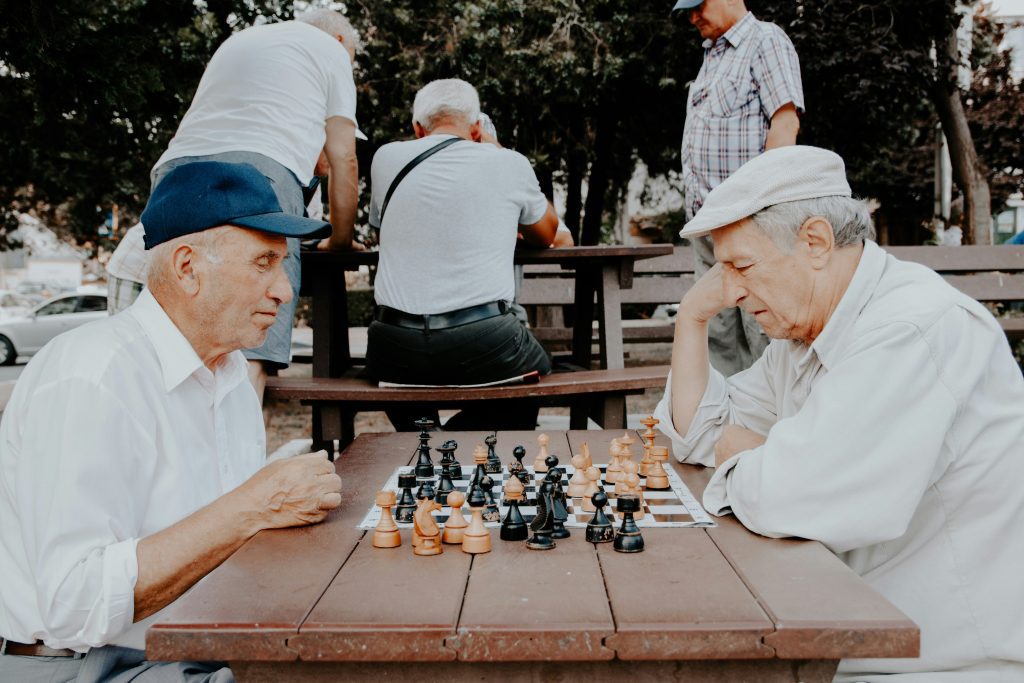
Chess is a game of strategy & thinking, making it a great game for seniors. For those who know how to play, it’s time to dust off your chess board again. If not, it’s not too late to learn. The sheer depth of the game will keep your mind engaged.
2. Checkers

Checkers is a great alternative to chess. It’s a blend of offering strategic thinking and problem-solving without the complexity of chess. It helps improve focus and quick decision-making, making it ideal for mental stimulation.
3. Jigsaw Puzzles

If you want a game that combines a bit of planning and problem-solving, consider jigsaw puzzles. Playing the game involves the use of visual-spatial skills, logic & memory. Unlike chess, you don’t need an opponent. You can even team up with others to solve the puzzle. Plus, puzzles are fun!
4. Sudoku
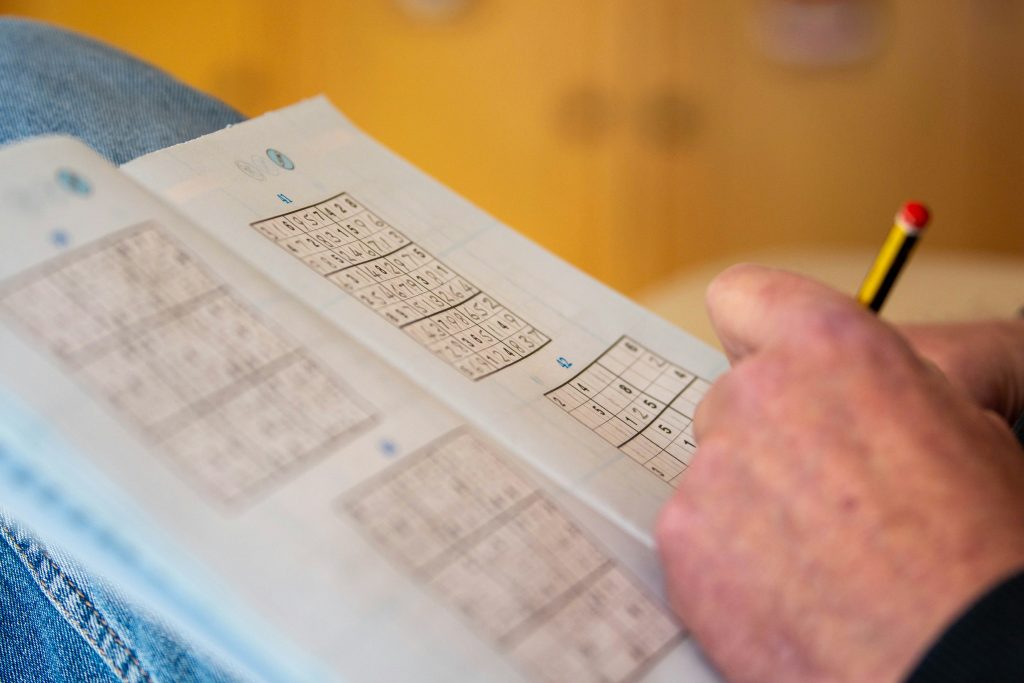
Sudoku is a game of logic & numbers. It challenges your brain to think critically and spot patterns. This makes it a great exercise for mental sharpness. Regularly playing Sudoku can improve concentration, & enhance problem-solving skills. If it gets too easy you can challenge yourself by trying to complete it faster.
5. Word Puzzles
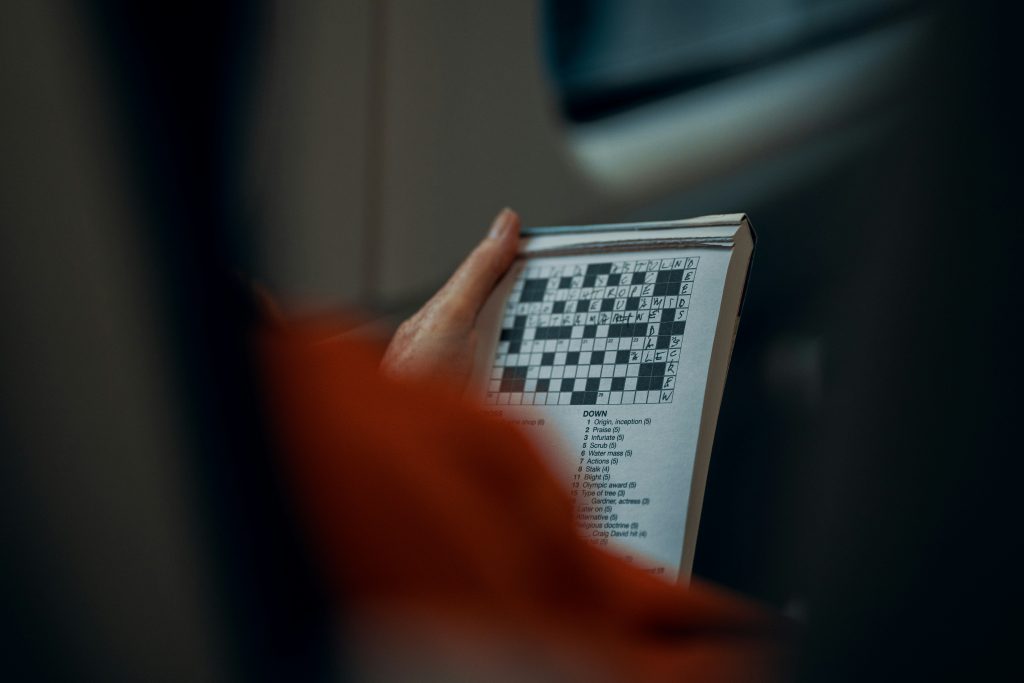
Word puzzles come in different forms, and you can opt for the one you find most interesting. A study found that web-based crossword puzzles improved cognition in participants with mild cognitive impairment. Crossword puzzles, hangman, boggle, & word search are some of the options available. Many of these games can be found online or you can pick up a physical puzzle book from your local store or library.
6. Switch It Up
While it may not be a “game” by the classic definition, switch it up is a fun way of adding variety to your daily routine. “Switch it up” involves changing small things in your day-to-day life. A common example is to use your non-dominant hand to comb your hair or brush your teeth. It might feel strange, but it’s a good way of challenging your brain and improving coordination. These small actions force your brain to adapt to new tasks, which can increase mental flexibility and enhance cognitive function.
7. Bingo
Bingo is a simple, social game where players match numbers on a card to numbers called out by a host. The goal is to complete a specific pattern on the card, such as a row, column, or diagonal, and shout “Bingo!” when done. It’s popular with seniors because it’s easy to play, provides mental stimulation, & offers a fun way to socialize with others. And you can win prizes!
8. Card Matching
A game of card matching tests your ability to recollect. It’s a simple game where you try to match pairs of cards that are initially placed face-down. The challenge is to remember the position of each card as you flip them over two at a time, attempting to find matching pairs. This game can enhance short-term memory and cognitive function.
How To Incorporate Memory Games For Seniors Into Daily Life
Playing a memory game at random is easy. The harder part is how to make it a routine so that you can enjoy consistent benefits over time. Here are some tips to help you make these games a habit:
- Set aside a specific time each day for memory games to make it a routine.
- Play card-matching games or puzzles during breaks or downtime.
- Involve friends & family in memory-based activities or challenges to make it more fun.
- Use mobile apps & online platforms that offer daily brain exercises.
- Combine memory games with everyday tasks, like memorizing shopping lists or names.
Wrapping Up
Memory games offer a fun & engaging way to maintain cognitive health as you advance in age. By incorporating these games into your daily routine, you can enhance focus, sharpen the mind, & stay mentally active. Different memory games for seniors cater to various skill levels. From card matching to puzzles, there are different options to keep the brain stimulated. For a well-rounded approach to staying mentally and physically active, try the 7 Days of Chair-Assisted Balance Exercises to enhance mind & body fitness.