
Senior Strength Workout: Build Real Muscle After 60
A senior strength workout is a structured resistance training routine designed to safely rebuild and maintain muscle mass in adults 60 and older. These workouts use lighter loads, slower tempos, and more recovery time than general fitness programs — but the results are very real. Stronger muscles mean better balance, easier daily movement, and a significantly lower risk of falling.
Why Strength Training Matters More After 60
Muscle loss (sarcopenia) accelerates dramatically after age 60 — adults can lose 3–5% of muscle mass per decade without resistance training. This isn’t just an aesthetic issue. Weaker muscles directly increase fall risk, reduce bone density, slow metabolism, and make everyday tasks like getting out of a chair or carrying groceries harder.
The good news: research consistently shows that older adults respond well to strength training — often building muscle at rates comparable to younger adults when the program is well designed. You’re not too old. You just need the right approach.
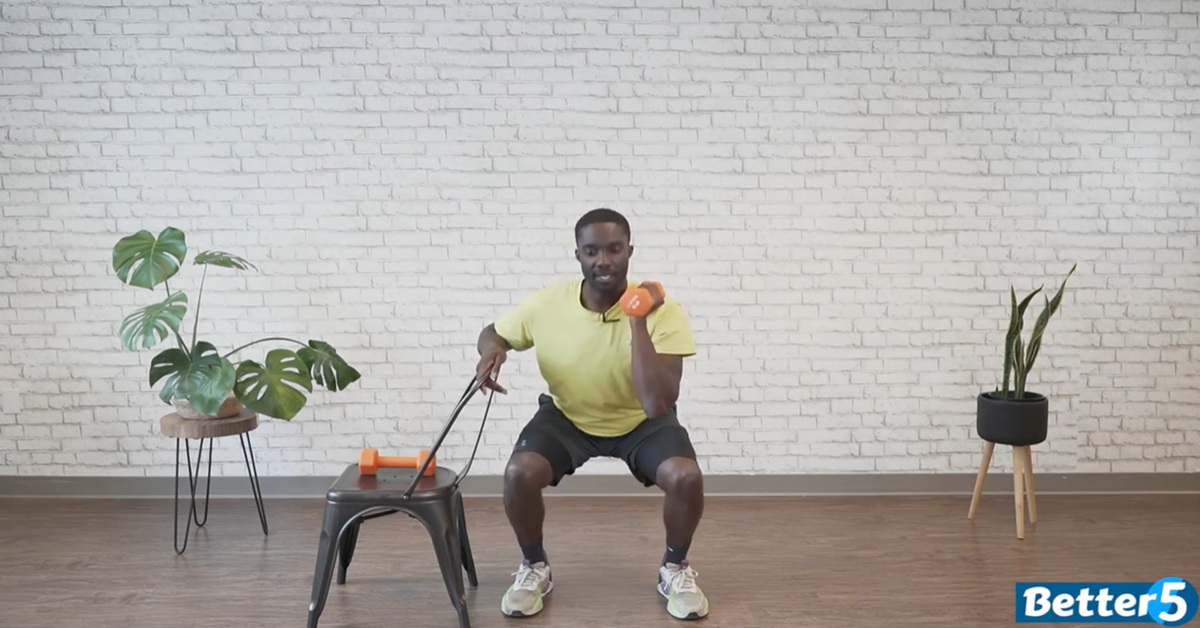
The Senior Strength Workout (8 Moves, No Gym Required)
This workout uses bodyweight and optional light dumbbells. Do 2–3 sets of 10–15 reps for each exercise, resting 60 seconds between sets. Work through the full circuit 2–3 times per week.
1. Sit-to-Stand
Stand in front of a sturdy chair. Lower yourself slowly until you’re almost sitting, then stand back up. This is one of the most functional strength moves for seniors — it directly mimics getting up from a couch or toilet. Go slow on the way down to maximize muscle activation.
2. Wall Push-Ups
Place palms flat on a wall at shoulder height, step back slightly, and do a push-up against the wall. Targets chest, shoulders, and triceps with zero floor work and minimal joint stress.
3. Standing Hip Hinge (Deadlift Pattern)
Stand hip-width apart, push your hips back (not down), hinge forward with a flat back, then drive your hips forward to stand. Hold light dumbbells if comfortable. This trains the posterior chain — glutes, hamstrings, lower back — all critical for walking stability. The Fall Prevention Exercises class at Better5 includes guided variations of this movement.
4. Seated Dumbbell Rows
Sit at the edge of a chair, hold a light dumbbell in each hand, hinge forward slightly at the hips, and pull the weights toward your hips. This targets the upper back and rear shoulders — muscles that support posture and reduce neck and shoulder pain.
5. Glute Bridges (or Standing Kickbacks)
For those comfortable on the floor: lie on your back with knees bent and push your hips toward the ceiling. For a standing version, hold a chair and kick one leg back slowly, squeezing the glute. The glutes are the largest muscle group in the body — keeping them strong is essential for hip stability and fall prevention. Our post on glute exercises for seniors has more detail on this.
6. Bicep Curls
Stand or sit, hold light dumbbells at your sides, and curl up to shoulder height with control. Works the biceps and forearms — important for lifting, carrying, and grip strength.
7. Standing Calf Raises
Hold a chair for balance, rise onto your toes, hold 2 seconds, lower slowly. Calf strength is directly tied to walking speed and ankle stability — both important for fall prevention. Aim for 3 sets of 15.
8. Seated Overhead Press
Sit tall in a chair, hold light dumbbells at shoulder height, and press overhead until arms are nearly straight, then lower with control. This builds shoulder strength needed for reaching, lifting, and overhead activities. Keep the core slightly braced throughout.
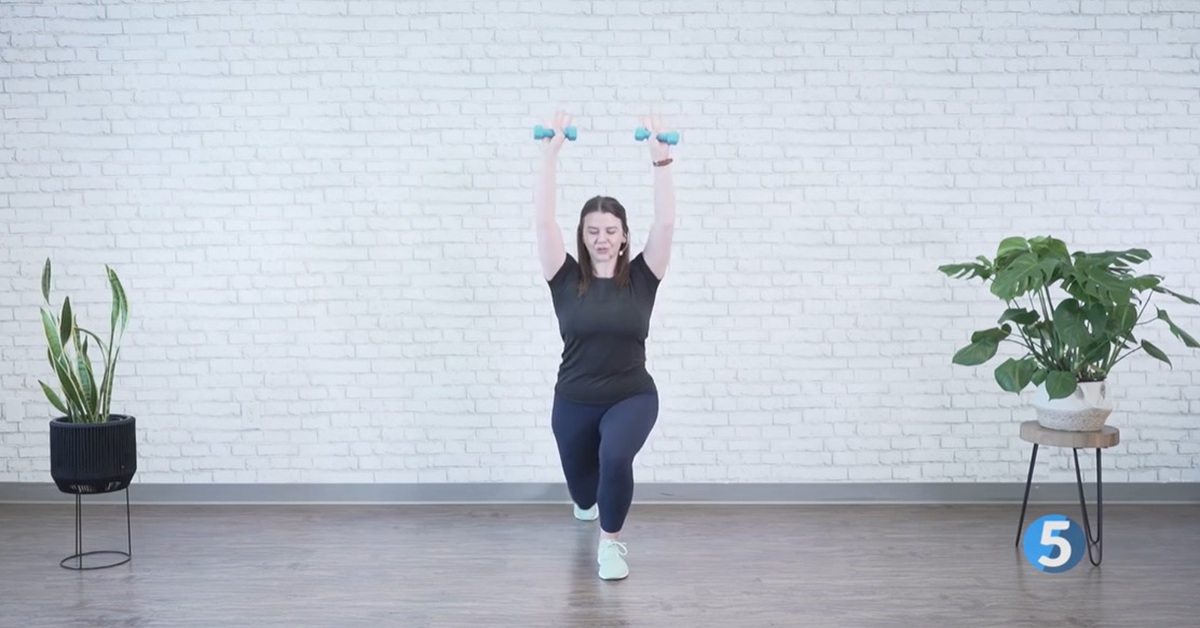
How to Progress Your Senior Strength Workout
Progression is what turns exercise into results. Here’s how to advance safely:
Week 1–2: Learn the movements at bodyweight. Focus on form, not reps.
Week 3–4: Add light dumbbells (1–3 lbs) where applicable. Increase to 3 sets.
Week 5–6: Increase weight slightly if 15 reps feels easy. Add a fourth exercise.
Ongoing: Gradually increase weight by the smallest increment available — never jump more than 1–2 lbs at a time for seniors.
The key rule: if you can’t complete the last 2–3 reps with good form, the weight is too heavy. Back off and build from there.
How Often Should Seniors Strength Train?
Two to three sessions per week is the sweet spot for most seniors. This gives enough stimulus for muscle growth while allowing 48 hours of recovery between sessions — which older muscles need more of than younger muscles.
Rest days are not optional. Muscle is built during recovery, not during the workout itself. Many seniors over-train thinking more is better — it isn’t. Two solid sessions per week will outperform five mediocre ones every time.
You can pair strength days with lighter activity like walking, stretching, or balance work. The Improved Knee Strength & Mobility class at Better5 is a great complement to this strength routine on off days.
Nutrition for Senior Strength Training
Strength training without adequate protein is like building a house without bricks. Seniors need more protein per kilogram of body weight than younger adults — research suggests 1.2–1.6g of protein per kg per day for older adults doing resistance training.
Prioritize protein at every meal: eggs, chicken, fish, Greek yogurt, cottage cheese, legumes. A small protein-rich snack within 30–60 minutes of your workout also helps muscle recovery.
The Bottom Line on Senior Strength Workouts
A senior strength workout built around compound movements, done 2–3 times per week with progressive overload, is one of the most powerful things you can do for your health after 60. The benefits — more muscle, better balance, stronger bones, easier daily life — compound over time just like the training itself.
Start with the 8 moves above, keep it simple, and be consistent. Your body will respond.
Ready to build real strength at home? Explore Better5’s full library of senior strength classes.