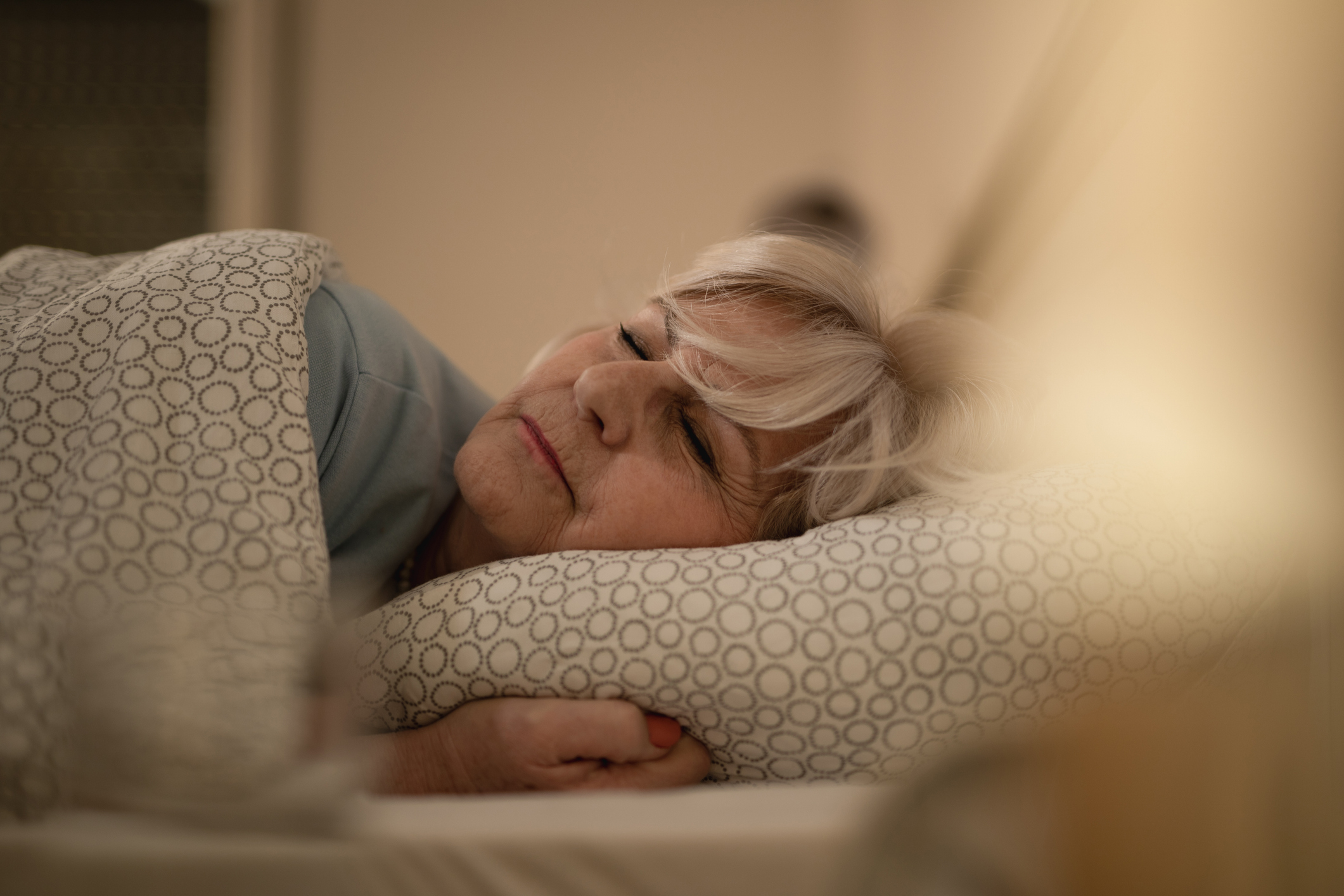
Simple Solutions For Sudden Excessive Sleepiness In Elderly
As we age, it’s common to experience changes in our sleep patterns. But what happens when a quick nap turns into constant drowsiness throughout the day? Sudden excessive sleepiness in elderly individuals is more than just a minor inconvenience—it can be a sign of underlying health issues or lifestyle factors that need attention. Let’s explore what might be behind that unexpected sleepiness and how to regain control of your days.
Causes Of Sudden Excessive Sleepiness In Elderly
Having the high energy levels of your 20s and 30s might not be the expectation in your golden years, but neither is feeling excessively sleepy throughout the day without a clear cause. Below are some potential reasons for suddenly feeling sleepy as a senior.
1. Sleeping Disorders
Sleeping disorders, in their different forms, can be the cause of excessive sleeping in seniors. For example, sleep apnea, a sleeping disorder where breathing stops and starts repeatedly, can make you wake up multiple times at night. Other sleeping disorders like restless leg syndrome and narcolepsy could disrupt sleep and make you sleepy during the day.
2. Medical Treatments
If you are undergoing certain treatments, such as chemotherapy and radiation therapy, or recovering from surgery, there’s a chance that you may experience increased fatigue and excessive sleepiness. This is typically because the body requires more energy to heal and adjust.
3. Nutritional Deficiency
Sometimes, the cause of that weariness you feel during the day could be due to a lack of nutrients. A deficiency in nutrients such as vitamin D, vitamin B12, or iron could leave you feeling sluggish and sleepy.
4. Medications
The onset of sudden excessive sleepiness in seniors could be due to medications. Medications, such as antidepressants and antihistamines, often list fatigue as a side effect. If you’re on any of these, consult your physician to discuss whether the dosage or type of medication might be contributing to your drowsiness.
5. Anxiety
Anxiety rears its ugly head in different ways. Overwhelming emotions can lead to mental exhaustion, which may cause fatigue and a constant feeling of sleepiness.
6. Infections & Chronic Diseases
An underlying infection or chronic disease can make you feel tired and prone to sleeping excessively. Illnesses like pneumonia and the flu, as well as conditions such as hormonal imbalances & autoimmune diseases, can drain your energy and disrupt your sleep patterns.

Consequences of Excessive Sleepiness In Elderly
Sleeping is great; too much of it, however, can be detrimental. As a senior, sleeping excessively makes you predisposed to certain issues.
1. Loss Of Energy
With excessive sleepiness comes a lack of energy. This can lead to decreased physical activity, loss of balance, muscle weakness, & a greater risk of falls or injuries.
2. Feelings Of Isolation & Loneliness
Excessive sleepiness can cause you to withdraw from social activities. This makes it harder to stay connected with friends and family. Over time, this isolation may lead to feelings of loneliness and emotional strain.
3. Decline In Cognitive Function
When you sleep too much, your cognitive abilities may begin to decline. You might experience memory problems, difficulty concentrating, and slower thinking.
How To Manage Sudden Excessive Sleepiness In Elderly
Seek Medical Evaluation
Your first line of action when you notice excessive sleepiness is to seek a medical evaluation. A physician assesses your symptoms to ascertain the cause of the problem. They may recommend a sleep study to rule out any form of sleeping disorder.
Address Underlying Health Conditions
In cases where certain health conditions are identified as possible causes of excessive sleepiness, it is important to address them. Proper treatment can help reduce daytime sleepiness and improve overall energy levels.
Improve Your Sleep Hygiene
It’s important to ensure your sleeping habit promotes restful and consistent sleep. This includes maintaining a regular sleep schedule, creating a comfortable sleeping environment, & avoiding stimulants like caffeine close to bedtime. If possible, avoid napping too close to your bedtime, as it may reduce your ability to fall asleep at night.
Exercise Regularly
Getting regular exercise can do wonders for your overall well-being. Aerobic & low-impact exercises like yoga and walking can improve sleep quality. A good night’s sleep reduces the likelihood of excessive sleepiness and helps you feel more alert & focused during the day.
Tips For Incorporating Exercises Into Your Daily Life
- Begin with light activities and gradually increase duration and intensity.
- Exercise at least two hours before bedtime to avoid overstimulation that might interfere with falling asleep.
- Gentle stretches or yoga help relax muscles and prepare the body for sleep.
- Aim for 15-20 minutes of outdoor activity daily to regulate your body’s internal clock and sleep cycles.
- Drink water during and after exercise to prevent fatigue.
- Incorporate Tai Chi or deep breathing exercises to reduce anxiety and help calm the mind.
- Creating a consistent exercise schedule can help train the body for better sleep.
Wrapping Up
As a senior, if you notice an inability to stay awake and alert during the day, you should see a healthcare professional to identify the underlying cause. A healthy sleep is the foundation of a vibrant life. Sudden excessive sleepiness in elderly individuals can be a sign of underlying health issues. Early intervention can help restore quality sleep & improve overall well-being. Don’t hesitate to seek guidance if sleep patterns change unexpectedly. To take control of your sleep health, enroll in the Better Sleep Digital Class, designed to help you improve sleep patterns and enjoy restful nights.